
Size
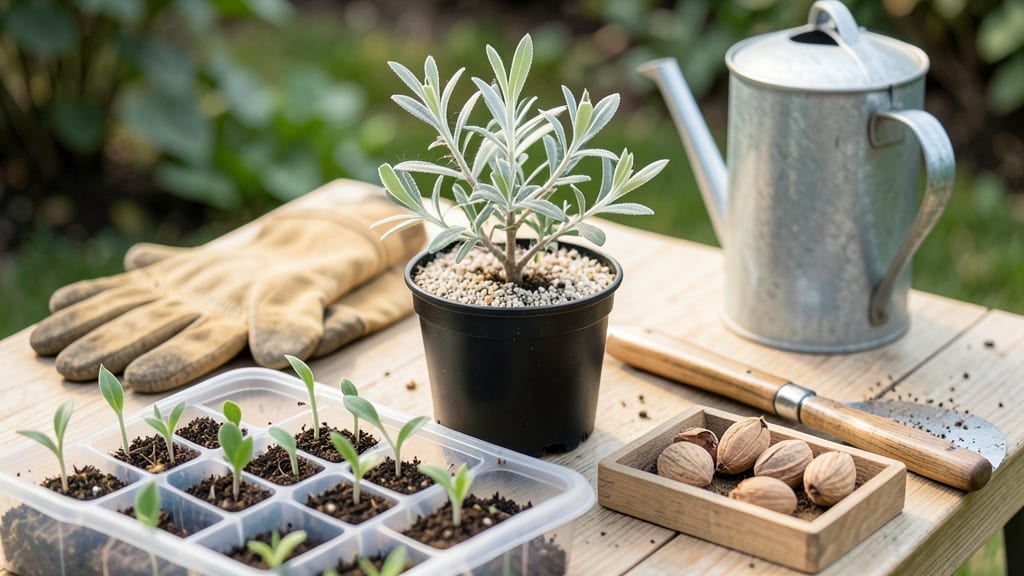
How to grow seeded eucalyptus feels like nurturing a future giant. 🌱 Those tiny seeds hold the potential for towering shrubs that perfume the air with their signature scent—but getting them started takes patience and the right conditions. I’ve learned the hard way that eucalyptus seedlings demand sunlight, warmth, and just enough moisture to avoid drowning. The payoff? A fast-growing, drought-tolerant plant that thrives once established. You’ll need a sunny spot (at least 6 hours of direct light daily), well-draining soil, and a shallow tray or seed-starting mix. Plant the seeds just below the surface—no deeper than ¼ inch—and keep them consistently moist but never soggy. Germination can take 2-4 weeks, so don’t give up if nothing sprouts immediately. The key is warmth: a heat mat or sunny windowsill speeds things up. Once those first leaves appear, thin seedlings to 2-3 inches apart to prevent competition. Transplant carefully, keeping the soil moist but not waterlogged for the first few weeks. Eucalyptus grows fast—expect 1-2 feet per year—but they’re sensitive to cold. Wait until all danger of frost has passed before moving them outdoors permanently. Troubleshooting is half the battle. Damping off (a fungal disease) is common—improve airflow and avoid overwatering. Slow germination? Try soaking seeds overnight before planting. With the right care, your eucalyptus will reward you with glossy leaves and that unmistakable fresh, medicinal aroma for decades.
📚 In This Guide
- What you need
- Instructions
- Tips and common mistakes
- Wrapping up and next steps
What you need
- ● Eucalyptus seeds: High-quality, fresh seeds (ensure they’re from a trusted supplier). Quantity: 50–100 seeds for experimentation.
- ● Seed-raising mix: Lightweight, well-draining mix (e.g., 50% peat moss, 30% perlite, 20% coarse sand). Quantity: 2–3 cups per tray.
- ● Seed trays or small pots: 4–6 inch deep trays with drainage holes or biodegradable pots. Quantity: 1–2 trays/pots per 50 seeds.
- ● Clear plastic domes or plastic wrap: To retain moisture during germination.
- ● Spray bottle: For gentle watering (avoid over-saturating seeds).
- ● Grow lights or sunny windowsill: Eucalyptus seeds need bright, indirect light (12+ hours/day).
- ○ Fertilizer: Balanced, water-soluble fertilizer (e.g., 10-10-10 NPK). Optional: Seaweed extract for young seedlings.
- ● Warmth: Ideal germination temperature: 70–75°F (21–24°C). Use a heat mat if needed.
- ● Humidity: High humidity (70–80%) during germination. Mist trays daily.
- ● Patience: Germination can take 2–6 weeks—stay consistent!
- ● Outdoor space (later stage): Full sun (6+ hours/day) and well-draining soil (pH 5.5–7.0).
- ● Seed scarification tools (sandpaper or knife) to nick hard seed coats (speeds up germination).
- ● pH testing kit to monitor soil acidity.
- ● Humidity dome with a small fan for gentle airflow.
- ● Transplanting tweezers for delicate seedling handling.
Step-by-Step instructions for growing eucalyptus from seeds
Eucalyptus seeds need patience and precise conditions—but once you crack the code, you’ll have fragrant, fast-growing shrubs thriving in your landscape.
🌱 Step 1: Stratify Seeds to Break Dormancy
Eucalyptus seeds have a hard outer shell that requires cold stratification to germinate. Place seeds in a ziplock bag with a damp paper towel, seal it, and refrigerate for 4-6 weeks. Check weekly—if the towel dries, mist it lightly. The goal is to keep it damp but not soggy, mimicking winter moisture.
This cold treatment tricks the seed into thinking winter has passed, signaling it’s safe to sprout. I’ve found that seeds stratified at 35-40°F germinate most reliably. After the cold period, you’ll see tiny cracks in the seed coats—this is your cue to move to the next step.
💧 Step 2: Sow in Sterile, Well-Draining Medium
Fill small seed trays or 2-inch pots with a mix of 50% sterile potting soil and 50% perlite or coarse sand. Eucalyptus roots need excellent drainage—waterlogged soil will kill seedlings before they even emerge. Moisten the mix until it’s damp but not dripping, then press seeds ¼ inch deep into the surface.
Space seeds ½ inch apart to avoid overcrowding. A spray bottle works best for watering—avoid heavy streams that could wash seeds away. Cover the tray with clear plastic wrap to retain humidity, but prop it open slightly to prevent fungal growth. Place the tray in a warm, bright spot (65-75°F) and wait for germination.
☀️ Step 3: Provide Warmth and Light for Germination
Eucalyptus seeds germinate slowly—4-8 weeks is normal, so don’t rush it. Keep the soil consistently moist (not soggy) and maintain 65-75°F temperatures. A seedling heat mat helps speed up the process, especially in cooler homes. Once sprouts appear, remove the plastic wrap immediately to prevent damping-off.
Place seedlings under grow lights or in a south-facing window for 12-14 hours of light daily. Without enough light, they’ll grow leggy and weak. You’ll know they’re getting the right amount when new leaves are dark green and compact, not stretched out toward the light.
🌿 Step 4: Transplant to Larger Containers
When seedlings develop 2-3 sets of true leaves (about 3-4 months old), transplant them to 4-inch pots filled with a well-draining cactus/succulent mix. Gently loosen roots before transferring to avoid shock. Water lightly after transplanting—overwatering at this stage can cause root rot.
Eucalyptus grows fast once established, so choose pots with drainage holes. Place them in bright, indirect light for the first week to help them adjust. You’ll notice new growth within 2-3 weeks—this is your sign they’re thriving.
⏰ Step 5: Harden Off and Plant Outdoors
After 4-6 months, when seedlings are 12+ inches tall, acclimate them to outdoor conditions. Start by moving pots to a shaded, sheltered spot for 1-2 hours daily, gradually increasing time over 2 weeks. This process, called hardening off, prevents transplant shock.
Choose a sunny, well-drained spot in your landscape for planting. Eucalyptus needs full sun (6+ hours daily) and tolerates poor soil but thrives with sandy or rocky conditions. Water deeply after planting, then reduce frequency—these shrubs are drought-tolerant once established.
Tips & tricks for growing seeded eucalyptus
Mastering eucalyptus from seed takes precision—but these pro tips will help you skip the trial-and-error and grow thriving plants with confidence.
Cold Stratification Precision: During the 4-6 week cold treatment in Step 1, place your ziplock bag of seeds on a shelf in your fridge's crisper drawer—it maintains the ideal 35-40°F range without temperature fluctuations. I've found that wrapping the bag in a thin towel adds another layer of moisture control, preventing the paper towel from drying too quickly. The moment you see those first microscopic cracks in the seed coats, move straight to sowing without delay—this is your signal the stratification worked.
Germination Environment Secrets: For Step 3's warmth requirement, I recommend using a seedling heat mat set to 75°F under your seed trays. This creates a stable environment without needing to monitor temperatures constantly. When placing seedlings under grow lights, position them just 2-3 inches above the plants—the closer they are, the faster growth, but too close can scorch tender leaves. Adjust the height as they grow to maintain that 12-14 hour light cycle.
Transplanting Without Shock: In Step 4, when transplanting to 4-inch pots, I've found that dipping the roots in a fungicide solution for 5 minutes before planting prevents damping-off disease. Also, water the new pots thoroughly before transplanting—this helps settle the soil around delicate roots and reduces transplant shock. The first week in bright indirect light is crucial; I often use sheer curtains to diffuse harsh sunlight during this adjustment period.
Outdoor Acclimation Strategy: For Step 5's hardening off process, I've developed a gradual schedule: Day 1-3: 1 hour in shade, Day 4-6: 2 hours in shade, Day 7-10: 1 hour in morning sun + 1 hour in shade, Day 11-14: 2 hours in morning sun. This progressive approach prevents sunburn while building resilience. After the 2-week period, I recommend planting on a cloudy day if possible—it gives your seedlings their first full sun exposure without the intensity of direct rays.
Pro Tips for Grow Seeded Eucalyptus
- Mastering eucalyptus from seed takes precision—but these pro tips will help you skip the trial-and-error and grow thriving plants with confidence.
- I've found that wrapping the bag in a thin towel adds another layer of moisture control, preventing the paper towel from drying too quickly.
- Germination Environment Secrets: For Step 3's warmth requirement, I recommend using a seedling heat mat set to 75°F under your seed trays.
Frequently asked questions
Got questions about growing eucalyptus from seed?
You’re not alone! Here are answers to the most common queries—from timing to troubleshooting—to help your seedlings thrive.
How long does it take for eucalyptus seeds to germinate?
Eucalyptus seeds can take anywhere from 1 to 6 months to germinate, depending on the species and conditions. Some varieties, like Eucalyptus globulus, sprout faster (2–4 weeks) if pre-treated with smoke or warm water. Patience is key—keep soil moist and warm (70–80°F) to encourage sprouting.
Do eucalyptus seeds need cold stratification?
Most eucalyptus seeds do not require cold stratification, but some species benefit from a warm pre-treatment (soaking in hot water for 24 hours) to soften the hard seed coat. Skip the fridge—these seeds thrive in heat! For stubborn seeds, try scarification (lightly sanding the seed coat) to speed up germination.
What’s eating my eucalyptus seedlings?
Common culprits include aphids, snails, or caterpillars (like the swallowtail butterfly larvae). For mild infestations, spray seedlings with neem oil or introduce ladybugs. Severe damage? Handpick pests or use insecticidal soap. Protect young plants with row covers until they’re sturdy enough to fend off critters.
Can I grow eucalyptus from seed indoors?
Yes! Start seeds indoors in well-draining pots with a mix of peat moss and perlite. Place under grow lights (12–14 hours/day) until seedlings are 2–3 inches tall. Harden off outdoors gradually before transplanting—eucalyptus hates root disturbance, so use biodegradable pots if possible.
Why aren’t my eucalyptus seeds sprouting?
Check these fixes:
- Seed viability: Test with a water float test—sinkers are viable; floaters are dead.
- Moisture: Keep soil consistently damp (not soggy). Use a spray bottle for fine misting.
- Light: Seeds need bright, indirect light (no direct sun until sprouted).
- Species: Some eucalyptus (like E. cinerea) are slower—wait up to 6 months.
Wrapping up and next steps
Growing seeded eucalyptus from tiny seeds is a rewarding journey that blends patience with the joy of nurturing life. By following the right steps—from soaking seeds to providing ample sunlight and well-draining soil—you’ll unlock the potential of these sun-loving shrubs.
Remember, consistency is key, and soon, you’ll be watching your seedlings flourish into towering, fragrant beauties!
Ready to take the next step? Start small—plant a few seeds in pots to practice, then expand as you gain confidence. Happy growing, and may your eucalyptus garden thrive! 🌱✨