
Size
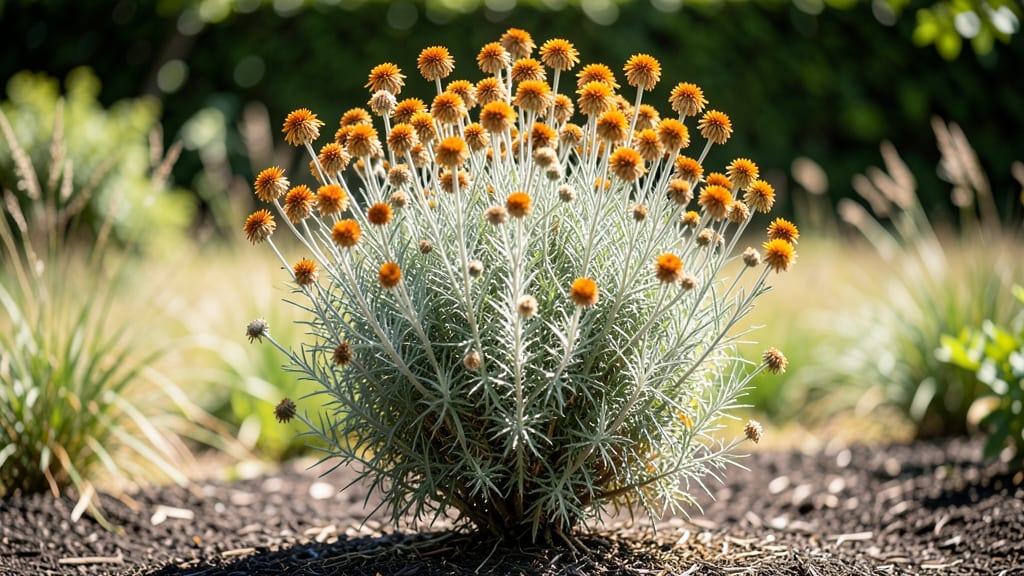
How to grow straw flowers feels like magic—dry, papery blooms that last forever. ✨ I've grown them for years, and they're the most low-maintenance annuals I know. Once established, they thrive with almost no attention, producing those iconic golden pom-poms all season long.
The real trick is starting right: well-draining soil, bright sun, and patience. Straw flowers (Helichrysum) don't mind heat or drought once rooted, but they despise soggy feet. Begin with seeds or transplants in spring after frost, and you'll see those first buds appear in about 8-10 weeks.
By midsummer, you'll have a bushy plant covered in blooms that stay vibrant even after cutting. The best part? These flowers dry beautifully—perfect for arrangements that last months. They even attract pollinators while they're fresh.
Works in gardens, containers, or even as a drought-tolerant border. Here's how to keep them blooming all season without fuss—no green thumb required!
📚 In This Guide
- What you need
- Instructions
- Tips and common mistakes
- Wrapping up and next steps
What you need
- ● Strawflower seeds: Choose from varieties like Helichrysum bracteatum (best for cut flowers) or Helichrysum italicum (dwarf types). Start with 10–20 seeds for a small patch or 50+ seeds for a full garden bed.
- ● Well-draining potting mix: A blend of 50% garden soil, 30% perlite or coarse sand, and 20% compost (strawflowers hate soggy roots!). Use 1–2 gallons per plant in containers or amend garden beds accordingly.
- ○ Containers (optional but helpful): For seedlings: 2–3 inch pots (1–2 per seedling).
- ● For mature plants: 5–7 gallon pots (if growing in containers) or full sun garden beds (if planting outdoors).
- ● Grow lights or sunny windowsill: A full-spectrum LED grow light (12–16 hours/day) or a south-facing window for seedlings.
- ● Watering can or spray bottle: A gentle spray nozzle helps avoid disturbing seeds during germination.
- ● Fertilizer: A balanced, water-soluble fertilizer (10-10-10 or 20-20-20) diluted to half-strength for feeding every 4–6 weeks.
- ● Pruning shears: Sharp, clean shears for trimming dead blooms or shaping plants.
- ● Seed-starting heat mat: Speeds up germination (keep soil at 70–75°F).
- ● Mulch: Straw or shredded bark to retain moisture and suppress weeds.
- ● Drip irrigation system: Automates watering for consistent moisture (strawflowers prefer moderate, even water).
- ● Plant supports: Small stakes or cages for taller varieties (like ‘Limelight’ or ‘Dublin’).
- ● Drying rack: If harvesting for bouquets, a mesh screen or hanging bundle setup works great!
Step-by-Step instructions for growing straw flowers
Here’s how to cultivate these drought-tolerant beauties—no green thumb required.
🌱 Step 1: Choose the Right Location and Prepare the Soil
Straw flowers thrive in full sun with at least 6 hours of direct light daily. Pick a spot with well-draining soil—they hate soggy roots. If your soil is heavy clay, mix in 2-3 inches of coarse sand or perlite to improve drainage. I like to add a handful of compost for nutrients, but straw flowers are forgiving even in poor soil.
Loosen the top 6 inches of soil with a garden fork to help roots establish. If planting in containers, use a lightweight potting mix with added perlite. The key here is drainage—water should flow through easily, not pool around the roots.
🌱 Step 2: Plant Seeds or Transplants at the Right Time
Sow seeds 6-8 weeks before your last frost date indoors or directly outdoors after the soil warms to 60°F. Plant seeds ¼ inch deep and space them 12 inches apart—they need room to grow. If using transplants, dig holes twice as wide as the root ball and place them 18 inches apart for full, bushy plants.
Water gently after planting to settle the soil, but avoid soaking it. Straw flowers are drought-resistant once established, so overwatering at this stage can rot the seeds or young roots. You’ll see sprouts in 10-14 days if conditions are right.
☀️ Step 3: Provide Minimal Care for Healthy Growth
Once seedlings emerge, water once a week unless it rains, giving them 1 inch of water per week. Let the soil dry out between waterings—straw flowers wilt slightly when thirsty but bounce back quickly. Fertilize lightly with a balanced 10-10-10 fertilizer every 4-6 weeks during the growing season, but skip fertilizer in the fall to encourage blooms.
Deadhead spent flowers to encourage more blooms, but don’t worry if you miss it—straw flowers self-seed easily. They’re tough plants that tolerate heat, drought, and even light frosts, making them perfect for low-maintenance gardens.
✂️ Step 4: Harvest and Preserve Blooms for Long-Lasting Beauty
Cut flowers when buds open fully but before they fade. Use clean pruners to snip stems at a 45-degree angle just above a leaf node. Bundle stems with rubber bands and hang them upside down in a dry, dark place for 1-2 weeks to dry completely. Once fully dry, the papery petals will last for years.
For fresh arrangements, place stems in water immediately after cutting—they’ll last 7-10 days in a vase. Straw flowers are ideal for dried bouquets, potpourri, or even as natural filler in crafts. Their unique texture and long vase life make them a gardener’s favorite.
Tips & tricks for perfect straw flowers
Between us, these resilient plants are forgiving—but a few small tweaks make all the difference for showstopping blooms.
Sunlight Secret: While 6 hours of sun works, I've found straw flowers really thrive with 8+ hours of direct light, especially in cooler climates. If your garden gets partial shade, position them where they'll catch the midday sun—this is when their light requirements are most critical. Watch for leaves turning yellow in low-light spots; that's your plant begging for more sunshine.
Soil Strategy: The drainage tip in Step 1 is non-negotiable. For containers, I like using a mix of 60% potting soil, 30% perlite, and 10% coarse sand—this creates perfect air pockets while retaining just enough moisture. Test your soil by squeezing a handful: if water beads up on the surface, it's too compacted and needs more gritty amendments.
Planting Precision: When sowing seeds at ¼ inch depth, use a pencil or small stick to make consistent holes—this prevents burying seeds too deeply. I mark seed locations with toothpicks to avoid overcrowding, especially when spacing 12 inches apart. For transplants, the "twice as wide" hole rule ensures roots spread properly without competition.
Drying Hack: For harvesting in Step 4, I've found that adding a small packet of silica gel to the drying bundle (along with the rubber bands) speeds up the process to just 7-10 days instead of 2 weeks. Just remove the gel before storing—it's a gardener's secret for impatient flower lovers!
Pro Tips for Grow Straw Flowers
- Between us, these resilient plants are forgiving—but a few small tweaks make all the difference for showstopping blooms.
- Sunlight Secret: While 6 hours of sun works, I've found straw flowers really thrive with 8+ hours of direct light, especially in cooler climates.
- Soil Strategy: The drainage tip in Step 1 is non-negotiable.
Frequently asked questions
Got questions about growing straw flowers? You’re not alone! Here are some of the most common queries—plus straightforward answers to help you cultivate those dreamy, papery blooms with confidence.
How long does it take for straw flowers to bloom after planting?
Straw flowers (like Helichrysum or Xerochrysum) typically bloom within 8–12 weeks after planting from seed, depending on the variety and growing conditions. If you’re starting with cuttings or young plants, you might see flowers in as little as 6–8 weeks. Patience is key—these beauties reward consistency with vibrant, long-lasting blooms!
Can straw flowers survive winter? What’s the best way to protect them?
Most straw flowers are hardy in USDA zones 8–11 but struggle in frost. In colder climates, treat them as annuals or bring potted plants indoors before temperatures drop below 30°F (-1°C). For garden beds, mulch heavily or cover with frost cloth. If you love their drought-resistant charm, try overwintering seeds indoors for next year’s garden!
Why aren’t my straw flowers blooming? Troubleshooting tips!
If your straw flowers are leafy but not flowering, check these common culprits:
- Too much nitrogen: Over-fertilizing promotes foliage over blooms. Use a low-nitrogen, high-phosphorus fertilizer (like 5-10-10) to encourage flowers.
- Inconsistent watering: These drought-lovers hate soggy soil. Water deeply once a week (or less in hot climates) and let the soil dry between waterings.
- Not enough sunlight: Straw flowers need full sun (6+ hours daily). Move pots or thin nearby plants to boost light exposure.
- Leggy growth: Pinch back leggy stems to promote bushier, flower-heavy growth.
Are straw flowers toxic to pets or kids?
Great news! Straw flowers are non-toxic to cats, dogs, and humans, making them a pet- and kid-friendly choice for gardens and bouquets. Always double-check the specific variety (e.g., Helichrysum bracteatum is safe), but these papery blooms are generally harmless—just a pretty (and safe) addition to your space!
What are some low-maintenance alternatives to straw flowers?
If straw flowers seem too finicky, try these equally drought-tolerant, long-blooming alternatives:
Plant
Why It’s Great
Lavender
Fragrant, deer-resistant, and thrives in poor soil.
Russian Sage (Perovskia)
Silvery foliage, attracts pollinators, and blooms all summer.
Blanket Flower (Gaillardia)
Vibrant red/yellow blooms, heat-tolerant, and self-seeds easily.
Yarrow (Achillea)
Drought-proof, great for cutting, and comes in fun colors.
All of these are perennials (in most climates), so you’ll enjoy them year after year with minimal fuss!
Wrapping up and next steps
Growing straw flowers is simpler than you think—with just a little patience and the right conditions, you’ll enjoy vibrant, long-lasting blooms year after year! 🌸 Whether you’re a beginner or a seasoned gardener, these hardy plants thrive with minimal fuss, making them perfect for containers, borders, or even dried arrangements.
Start small, experiment with varieties, and soon you’ll be rewarded with stunning, low-maintenance beauty that brightens any space.
Ready to take the next step? Pick your favorite straw flower variety and plant your first batch today—your future bouquets (or dried florals) will thank you! 🌿✨