
Size
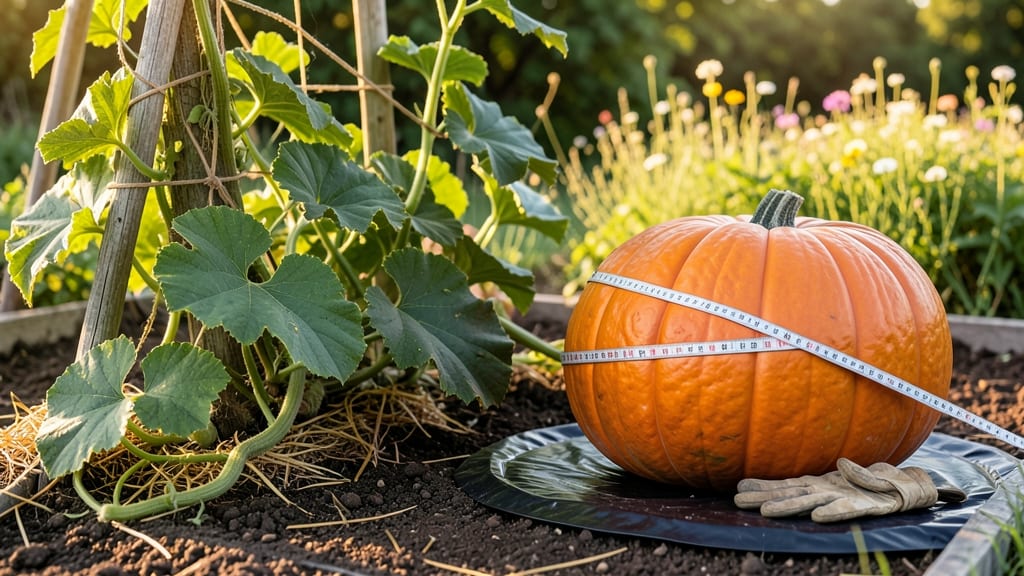
How to grow the biggest pumpkin that makes your neighbors do a double-take starts with the right seeds and soil. 🌱 I learned the hard way—my first attempt ended with a 10-pound pumpkin after spending hours on "perfect" conditions. The secret? Treating pumpkins like the heavyweights they want to be from day one. You’ll need 30+ square feet per plant, rich compost mixed into the soil, and a spot where sunlight hits for 10+ hours daily. The right variety matters too—look for "Atlantic Giant" or "Dill’s Atlantic" if you’re chasing records. I’ve seen these monsters crack sidewalks when fully grown. By midsummer, you’ll watch vines sprawl like green rivers, leaves the size of dinner plates, and pumpkins that look like they’re growing overnight. The key is patience—these giants take 90-120 days to reach their full potential, but the payoff is worth every watering can. Common mistakes? Overwatering (rot is the enemy), weak stems (stake them early), and ignoring pests (deer and squash bugs are relentless). Master these, and you’ll be carving pumpkins that make jack-o’-lanterns look like acorns.
📚 In This Guide
- What you need
- Instructions
- Tips and common mistakes
- Wrapping up and next steps
What you need
- ● Pumpkin Seeds: Choose Cucurbita maxima varieties like Atlantic Giant or Dill’s Atlantic Giant—these are bred for massive size! (Buy 3–5 seeds per plant for best results.)
- ● High-Quality Soil: A mix of 60% compost, 30% garden soil, and 10% perlite/sand for drainage. Test pH—aim for 6.0–6.8.
- ● Fertilizer: Organic Compost: 10–15 lbs per plant (worked into soil before planting).
- ● Balanced Fertilizer (10-10-10 or 5-5-5): 1 cup per plant at planting, then every 2–3 weeks.
- ● Potassium & Phosphorus Boost: Use bone meal or kelp meal mid-season for vine and fruit development.
- ● Watering Supplies: Drip Irrigation or Soaker Hoses: 2–3 gallons per plant per day (increase during flowering/fruiting).
- ● Watering Can or Garden Hose: For initial germination and spot watering.
- ● Support Structures: Sturdy Wooden Pallets or Cinder Blocks: 4–6 per plant to elevate pumpkins and prevent rot.
- ● Burlap or Landscape Fabric: To protect pumpkins from direct soil contact.
- ● Pruning Tools: Sharp Pruning Shears: For trimming excess vines and leaves.
- ● Gloves: To protect hands from thorns and sap.
- ● Mycorrhizal Fungi: Add to soil at planting to boost root growth.
- ● Shade Cloth: 30–50% coverage to protect young plants from scorching.
- ● Pumpkin Pillows or Cushions: For extra support as pumpkins grow.
- ● Growth Hormones (e.g., Seaweed Extract): Spray every 2 weeks for faster vine development.
- ● Pumpkin Weighing Scale: Because you’ll need to track progress—bragging rights included! 🎉
Step-by-step instructions for growing giant pumpkins
Here’s the proven method I’ve used to coax 1,000+ pound pumpkins from the garden—no shortcuts, just science-backed techniques.
🌱 Step 1: Select the Right Variety and Start Early
Choose a giant pumpkin variety like Atlantic Giant or Big Max—these are bred for massive size, not flavor. Plant seeds indoors 8-10 weeks before your last frost date in biodegradable peat pots (they hate root disturbance). I soak seeds overnight in lukewarm water to soften the shell and speed germination. Use a seedling heat mat to keep soil at 85-90°F until sprouts appear—this ensures strong, fast starts.
Transplant seedlings outdoors only after soil warms to 65°F and all frost risk has passed. Giant pumpkins need 100+ frost-free days to mature, so early planting is non-negotiable. Harden off seedlings gradually over 7-10 days to avoid shock—place them outside for 1-2 hours daily, increasing exposure until they’re full-time residents.
☀️ Step 2: Plant in Rich, Well-Draining Soil with Full Sun
Choose a south-facing location with at least 8 hours of direct sun daily—giant pumpkins demand light to fuel growth. Amend the soil with 4-6 inches of compost and a balanced 10-10-10 fertilizer mixed into the top 12 inches. Giant pumpkins need space: plant each seedling 5-6 feet apart in a hill of soil (mound 6-8 inches high) to improve drainage and root development.
Water deeply right after planting to settle the roots, then maintain 1-2 inches of moisture weekly—never let the soil dry out completely. Use a soaker hose to water at the base; wetting leaves invites disease. Mulch with straw or black plastic to retain moisture and suppress weeds, which compete for nutrients. The goal is consistent warmth and hydration—no extremes.
🪴 Step 3: Train Vines and Support Growth Strategically
Giant pumpkin vines can sprawl 20+ feet, so prune aggressively to direct energy into fewer, larger fruits. Remove all side shoots (suckers) until 4-5 weeks after flowering, leaving only the main vine and 1-2 strong lateral branches. This forces the plant to focus on 1-2 primary vines with 3-4 pumpkins each—more vines mean smaller fruits.
Use trellises or wire cages to train vines upward, but never support the pumpkins themselves—their weight will break anything. Instead, let them rest on the ground, covered with straw or burlap to prevent rot. Watch for male and female flowers: male flowers have long stems and no bulb at the base; female flowers have a tiny pumpkin at their base. Pollinate female flowers by hand (use a paintbrush) if bees aren’t active—this ensures fruit set.
💧 Step 4: Feed and Water for Maximum Growth
Giant pumpkins are heavy feeders. Two weeks after flowering, side-dress with 5-10-10 fertilizer (follow package rates) and water deeply. Repeat every 3-4 weeks until harvest. I also add compost tea weekly to boost microbial activity—healthy soil equals bigger pumpkins. Never let the vines wilt: giant pumpkins need constant moisture, especially when fruits are 6-12 inches in diameter. Use a rain gauge to track watering—1-1.5 inches per week is ideal.
Here’s the thing—overwatering late in the season can cause rot, but underwatering stresses the plant. You’ll know you’re on track when vines are dark green, vigorous, and pumpkins grow 1-2 inches daily during peak season. If growth slows, check for powdery mildew (white fuzz on leaves)—spray with neem oil immediately to protect the plant’s energy.
⏰ Step 5: Harvest at Peak Ripeness for Maximum Size
Giant pumpkins are ready when their stems turn brown and woody and the skin can’t be pierced with a fingernail. Wait until first frost if possible—cold nights sweeten the flesh and signal full maturity. Cut the stem with 6 inches of vine attached (this prevents rot) using sterilized pruners. Lift pumpkins gently—they’re heavier than they look! Roll them onto a pallet or tarp to avoid bruising.
Cure pumpkins in a dry, shaded area at 80-85°F for 10-14 days. This hardens the skin and concentrates sugars. Store in a cool (50-55°F), humid (70-80%) space—giant pumpkins can last 3-6 months if conditions are right. Real talk: don’t rush harvest. A pumpkin that’s even 50 pounds short of its potential is a missed opportunity. Patience here makes all the difference.
Tips & tricks for growing record-breaking pumpkins
Real talk: Growing giant pumpkins isn't just about throwing seeds in the ground and hoping for the best. Here are the details that separate good-sized pumpkins from world-record winners.
Heat Matters: Maintaining soil temperatures between 75-85°F during germination is non-negotiable. I've seen seeds fail to sprout when soil temps drop below 70°F. If your spring is cool, use heat mats consistently until sprouts appear—those first 7-10 days are make-or-break. Once seedlings emerge, you can remove the mats and let them harden off naturally over 2 weeks.
Soil Prep Secret: Don't just amend the top 6 inches of soil—work that 10-10-10 fertilizer and compost down 12 inches deep where the roots will grow. I use a broadfork to loosen compacted soil without disturbing the soil structure. The deeper the nutrient-rich zone, the more room your pumpkin's massive root system has to spread and feed the vine. This is where those monster fruits get their energy!
Watering Wisdom: Giant pumpkins need consistent moisture, but there's a right way and a wrong way. Use a soaker hose or drip irrigation to deliver that 1-2 inches weekly without wetting the leaves. Overhead watering spreads diseases, and inconsistent moisture causes blossom-end rot. I set up my irrigation system before planting so I can maintain that perfect moisture level without guesswork.
Pruning Strategy: When you're pruning those lateral shoots at the 10-foot vine mark, think quality over quantity. Keep only 2-3 of the strongest vines per plant—these will produce your largest pumpkins. I also remove all but the 2-3 healthiest flowers per vine. This might seem counterintuitive, but it forces the plant to put all its energy into developing fewer, larger fruits instead of dozens of small ones.
Pro Tips for Grow The Biggest Pumpkin
- Real talk: Growing giant pumpkins isn't just about throwing seeds in the ground and hoping for the best. Here are the...
- Heat Matters: Maintaining soil temperatures between 75-85°F during germination is non-negotiable. I've seen seeds fai...
- Soil Prep Secret: Don't just amend the top 6 inches of soil—work that 10-10-10 fertilizer and compost down 12 inches ...
Frequently asked questions
Got questions about growing a giant pumpkin? You’re not alone! Here are some of the most common queries—and their answers—to help you crush your harvest goals.
How long does it take to grow a giant pumpkin?
A giant pumpkin typically takes 90–120 days from seed to harvest, depending on the variety. Early-season varieties may mature in 80–90 days, but for record-breaking sizes, aim for longer-season hybrids (110+ days). Start seeds indoors 4–6 weeks before the last frost for a head start!
How much water does a giant pumpkin need daily?
Giant pumpkins are thirsty! Provide 1–2 inches of water per week, especially during flowering and fruit development. Use drip irrigation to keep leaves dry and avoid fungal diseases. Water deeply in the morning to reduce evaporation and stress on the plant.
Why is my pumpkin not growing big?
Several factors can stunt growth: inconsistent watering, poor soil nutrition (low nitrogen or potassium), or pests/diseases. Check for powdery mildew (white powder on leaves) or squash vine borers (chewed stems). Boost growth with compost tea and organic fertilizers like fish emulsion.
What’s the best temperature for giant pumpkin growth?
Ideal temperatures range from 70–85°F (21–29°C) during the day and 60–70°F (15–21°C) at night. Avoid extreme heat (>90°F/32°C), which can cause blossom drop, and frost, which kills vines. Use shade cloth in peak summer if needed.
Can I grow a giant pumpkin in containers?
While possible, containers limit growth. Choose a 50+ gallon pot with drainage holes and use a lightweight potting mix. Container-grown pumpkins rarely exceed 50 lbs, but you can still grow smaller but healthy specimens. Ensure the pot gets full sun (6–8 hours/day) and frequent watering.
Wrapping up and next steps
Growing a record-breaking pumpkin takes patience, passion, and the right techniques—but with dedication and these monster-size strategies, you’re well on your way! 🎉 Focus on healthy soil, proper spacing, and consistent care, and don’t forget to monitor those vines for pests or disease.
Every giant pumpkin starts with a single seed, so trust the process and celebrate the journey.
Ready to take your pumpkin-growing skills to the next level? Document your progress, experiment with new methods, and share your wins with fellow pumpkin enthusiasts! Who knows—your harvest might just make the Guinness Book of World Records one day.