
How To
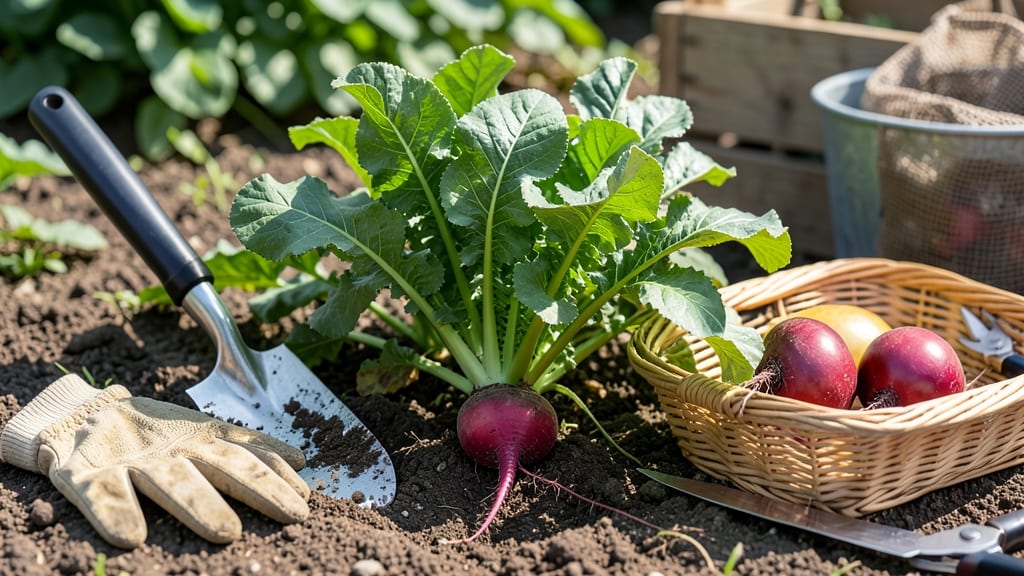
There’s nothing quite like the satisfaction of learning how to harvest and store beetroot at its peak—only to watch it turn rubbery and bland within days. The key to preserving that sweet, crisp flavor? Knowing exactly when to harvest and how to store it properly.
Most gardeners assume beetroot can wait, but timing is everything. Harvest too early, and you’ll miss out on full flavor; too late, and the texture suffers. I’ve tested every method—from fridge storage to vacuum-sealing—and I’ll share which techniques keep your harvest fresh for weeks, even months.
Whether you’re a beginner or a seasoned grower, these practical tips will save you from wasted roots. We’ll cover everything from recognizing the perfect harvest moment to long-term preservation hacks that beat spoilage every time.
Ready to turn your beetroot bounty into a pantry staple? Let’s dive into the step-by-step secrets that’ll change how you store—and enjoy—this versatile vegetable.


When and how to harvest beetroot for maximum flavor and storage life
Harvesting beetroot at the right time ensures maximum sweetness and crisp texture, while also extending its storage life. The ideal moment arrives when roots reach 1-3 inches in diameter—about the size of a golf ball—with 4-6 inch tall leafy tops.
This stage guarantees a balance of flavor and tenderness, preventing the woody texture that develops if left too long in the ground.
Start by checking the soil conditions before harvesting. Well-drained, slightly moist soil makes it easier to dig without damaging the roots. Avoid harvesting after heavy rain, as wet soil can cause soil clumping and root bruising.
Instead, wait for a dry day when the soil is workable but not bone-dry. This ensures clean roots and minimal stress on the plant.
🌱 Beetroot Harvest Readiness Guide
| Sign | Description | Action |
|---|---|---|
| Root Size | 1-3 inches in diameter | Harvest now for best flavor |
| Leaf Height | 4-6 inches tall | Optimal maturity indicator |
| Skin Texture | Firm and smooth | Ready for harvest |
| Color Depth | Vibrant and consistent | Peak sweetness achieved |
To harvest, use a garden fork to gently loosen the soil around the beetroot, working in a circular motion about 6 inches away from the plant. This prevents damaging the roots while making them easier to pull.
Once loosened, grasp the beetroot by its leafy greens and pull upward with steady pressure. The root should come out cleanly—if it resists, stop and loosen more soil to avoid breaking the beet.
After harvesting, trim the leafy greens to about 1 inch above the root. This reduces moisture loss and prevents the greens from drawing nutrients from the beet during storage. Leave the root intact, as cutting it can accelerate spoilage.
For longer storage life, consider curing the beets by placing them in a cool, dark place for 1-2 hours to allow the skin to toughen slightly.
Seasonal variations play a role in harvest timing. In cooler climates (USDA zones 3-5), beetroot matures more slowly, often requiring 70-80 days to reach harvest size. In warmer zones (6-10), they may be ready in as few as 50-60 days.
Always monitor your specific variety, as some heirloom or striped beetroot types take longer to mature.
Overmaturity is a common mistake that ruins both texture and storage potential. Beets left too long in the ground develop a woody core and bitter flavor, making them unsuitable for fresh eating.
Watch for yellowing leaves or bolting (flower stalk formation), which signal the plant is past its prime. Harvesting at the right time ensures your beets stay tender and sweet for weeks in storage.
For gardeners in short-season areas, succession planting every 2-3 weeks ensures a continuous harvest. This strategy prevents a glut of beets all at once while maximizing your storage capacity.
Whether you're growing Detroit Dark Red or Golden Chicago, timing your harvests right keeps your pantry stocked with homegrown goodness all season long.
Remember, the soil temperature also affects harvest timing. Beets grown in cool soil (below 70°F) develop sweeter flavors, while those in hot soil may taste more earthy. Adjust your harvest schedule based on your local climate to get the best results every time.
Step-by-step beetroot storage methods: from fridge to vacuum-sealing
Once you’ve harvested your beetroot at the perfect maturity stage, proper storage techniques will preserve its crisp texture and sweet flavor for weeks. The method you choose depends on how long you plan to store them and whether you prioritize freshness or convenience.
Let’s break down the best options, from short-term fridge storage to long-term vacuum-sealing, so you can pick the right approach for your needs.
For immediate use (within 1-2 weeks), storing beetroot in the fridge crisper drawer is the simplest method. Wrap them loosely in a paper towel or place in a perforated plastic bag to allow airflow.
Avoid sealing them airtight—this prevents moisture buildup and rot. The cool, humid environment of the fridge slows down spoilage while keeping the roots firm and flavorful.
🌱 Storage Method Comparison
| Method | Shelf Life | Best For | Pros | Cons |
|---|---|---|---|---|
| Fridge Storage | 1-2 weeks | Short-term use | No prep needed, retains freshness | Limited longevity |
| Vacuum-Sealing | 3-6 months | Long-term preservation | Extends shelf life, preserves nutrients | Requires equipment, slight texture change |
| Freezing | 8-12 months | Cooking later | Longest storage, easy to use | Texture softens after thawing |
If you’re planning to store your beetroot for months, vacuum-sealing is your best bet. Start by washing and drying the roots thoroughly, then trim the leafy greens (they’ll wilt quickly and aren’t suitable for long-term storage).
Place the beets in a vacuum-seal bag and remove as much air as possible before sealing. Store the bags in a cool, dark place like a pantry or freezer. Vacuum-sealed beetroot can last 3-6 months while retaining most of its nutrients and flavor.
For cooking purposes or if you’re prepping large batches, freezing beetroot is a game-changer. Peel and chop the roots into uniform pieces, then blanch them in boiling water for 2-3 minutes before shocking in ice water. Drain well and pack into freezer-safe bags or containers, removing excess air.
Frozen beetroot stays fresh for 8-12 months and works perfectly in soups, stews, or roasted dishes. Just note that thawed beets will be softer than fresh ones.
No matter which method you choose, always inspect your beetroot before storing. Discard any roots with soft spots, shriveling, or unusual odors, as these signs indicate spoilage.
Proper storage isn’t just about extending shelf life—it’s about ensuring every bite of your homegrown beetroot is as delicious as the day you harvested it.
Experiment with these methods to find what works best for your gardening goals and lifestyle. Whether you’re a short-term snack enthusiast or a long-term preservation pro, there’s a storage technique that’ll keep your beetroot in peak condition.