
Picking
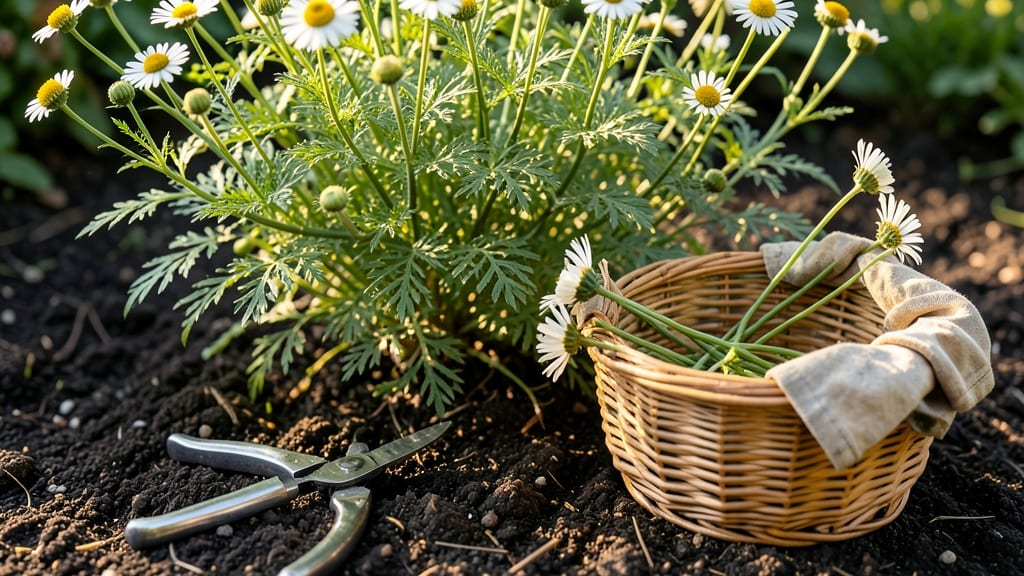
How to harvest chamomile flowers just got 10x better—timing everything right turns delicate petals into fragrant, soothing magic. ✨ The secret? Cutting on dry, sunny mornings when dew has evaporated but flowers are still closed, ensuring maximum oil content and sweetness for your brew.
You’ll need sharp scissors, a basket, and a sunny drying spot—no fancy equipment required. Snip stems just above the first set of leaves to encourage bushier growth, and avoid harvesting after rain or when flowers are fully open.
The timing makes all the difference between bitter tea and the golden, honeyed flavor you crave.
Once harvested, lay stems flat in a dry, shaded area for 1-2 weeks, flipping occasionally. Store petals in airtight jars away from light, where they’ll keep their calming properties for months. A handful of these dried blooms makes tea that rivals anything you’d buy—just imagine sipping your own homegrown remedy.
This method works for both German and Roman chamomile, whether you’re growing in pots or garden beds. The key is consistency: harvest every 2-3 weeks during peak bloom for a steady supply of tea magic. Now go enjoy that first cup—it’s worth the wait!
📚 In This Guide
- What you need
- Instructions
- Tips and common mistakes
- Wrapping up and next steps
What you need
- ● Chamomile plants: Mature, healthy Matricaria chamomilla (German chamomile) or Chamaemelum nobile (Roman chamomile) in full bloom (preferably with at least 3-5 open flower heads per stem). Aim for 10-20 stems for a small batch of tea.
- ● Pruning shears or sharp scissors: Clean, sterilized tools with 4-6 inch blades to avoid crushing stems or spreading disease.
- ● A basket or breathable container: A wire mesh basket, paper bag, or wooden crate to hold flowers and allow airflow (avoid plastic to prevent moisture buildup).
- ● Newspaper or paper towels: For drying—use acid-free paper to preserve color and potency.
- ● Rubbing alcohol (70% isopropyl) or vinegar: To sterilize tools before harvesting.
- ○ Gloves (optional but recommended): Lightweight gardening gloves to protect hands from sap or stems.
- ● Drying rack or screen: A mesh screen or hanging drying rack for even airflow (e.g., a window screen or wire rack).
- ● Desiccant packets (silica gel): For speed-drying in a sealed container (use sparingly to avoid over-drying).
- ● Labeling tags: Small paper tags and a pencil to mark harvest dates (critical for tracking freshness!).
- ● Sun hat and sunscreen: If harvesting outdoors on a bright day!
- ● Small fan: A gentle breeze speeds up drying in humid climates.
Step-by-Step instructions for harvesting chamomile flowers
Here's how I gather the finest chamomile blossoms for tea—timing and technique make all the difference.
🌿 Step 1: Choose the Right Time and Conditions
Harvest chamomile flowers on a dry, sunny morning when dew has evaporated but before the sun grows too intense. I usually pick between 8-10 AM—this ensures the petals are fully open and haven't started wilting in the heat. Avoid harvesting after rain, as damp flowers take longer to dry and may develop mold.
Look for flower heads with fully opened white ray petals surrounding the yellow center. If the petals are still tightly closed or the center is brown, wait another day. The best harvests come from healthy plants with dark green, upright leaves—yellowing foliage means the plant is stressed and the flavor will be bitter.
✂️ Step 2: Cut Flowers Properly for Optimal Drying
Use clean, sharp scissors or pruning shears to snip the flower heads about 2-3 inches below the base of the bloom. This encourages new growth from the stem. I like to harvest every other flower head on a plant to allow it to continue producing—chamomile blooms repeatedly throughout the growing season if given enough space.
Don't pull the flowers by hand, as this can damage the stems and leave the plant vulnerable to pests. If you're harvesting for tea, focus on the white petals—they contain the most calming apigenin. For medicinal uses, include the entire flower head. Gather flowers in small batches to prevent bruising, which speeds up spoilage.
🌞 Step 3: Dry the Flowers Quickly and Evenly
Spread the harvested chamomile flowers in a single layer on a clean, dry towel or mesh screen in a warm, dry, well-ventilated area. I place mine on a sunny windowsill (out of direct sunlight) or use a dehydrator set to 95°F. The goal is to dry the petals in 3-5 days—any longer risks mold, and shorter times can leave them too moist for storage.
Check daily for even drying. The petals should feel light and crisp to the touch, with no moisture remaining when gently squeezed. If you notice any dark spots or musty smells, remove those flowers immediately and adjust your drying conditions—too much humidity is the culprit. Properly dried chamomile will have a light, sweet herbal aroma when shaken.
🪴 Step 4: Store for Freshness and Flavor
Once fully dry, store the chamomile petals in airtight glass jars away from direct light and heat. I like to crush the dried petals lightly with a rolling pin before storing—this releases more oils and enhances the tea's flavor. Label the jar with the harvest date, as chamomile retains its best flavor for 6-12 months when stored properly.
For the freshest tea, use dried chamomile within 6 months. If you notice a loss of aroma or a dull appearance, it's time to harvest a new batch. Store jars in a cool, dark pantry—never the refrigerator, as moisture buildup can ruin your harvest. When ready to use, simply steep 1-2 teaspoons of dried petals in hot water for 5-10 minutes for a soothing cup of tea.
Tips & tricks for perfect chamomile flower harvesting
Timing and attention to detail transform ordinary chamomile blooms into extraordinary tea ingredients.
Timing Secret: Those 8-10 AM windows are critical for peak flavor and fragrance. I've learned this the hard way—harvesting too early means dew-damp petals that won't dry properly, while waiting too long risks wilting. The ideal moment is when petals form perfect circles and the center disc looks plump. This usually happens around 9 AM in my garden, but your local climate may shift this by 30 minutes or more.
Plant Care Strategy: The "half the flowers" rule in Step 2 is non-negotiable for long-term yields. I've seen beginners harvest everything, only to find their plants produce just a few sad blooms the next season. Think of it like pruning—you're encouraging more buds to form by leaving some flowers behind. After harvesting, I always water deeply and pinch back leggy stems to promote bushier growth.
Drying Wisdom: That 3-5 day drying window can feel like an eternity, but patience pays off. I've ruined batches by rushing the process—petals that aren't fully crisp will mold in storage. For faster drying in humid climates, consider using a food dehydrator set to 95°F with good airflow. Just check them daily after the first 24 hours to monitor progress.
Storage Upgrade: The airtight glass jar recommendation is spot-on, but here's the pro move: add a small silica gel packet to your storage container. This absorbs any lingering moisture that could shorten your chamomile's shelf life. I've found this extends freshness to the full year mark, though I still prefer using my harvest within 6 months for the brightest flavor.
Pro Tips for Harvest Chamomile Flowers
- Timing and attention to detail transform ordinary chamomile blooms into extraordinary tea ingredients.
- Timing Secret: Those 8-10 AM windows are critical for peak flavor and fragrance.
- Plant Care Strategy: The "half the flowers" rule in Step 2 is non-negotiable for long-term yields.
Frequently asked questions
Got questions about harvesting chamomile? You’re not alone! Here are answers to the most common queries to help you master the process like a pro.
When is the best time of day to harvest chamomile flowers?
The golden rule is early morning after the dew has dried but before the sun gets too intense (around 8–10 AM). This ensures the flowers are fully open, vibrant, and packed with essential oils. Avoid harvesting after rain—moisture can make them moldy or dull in flavor.
How do I know if my chamomile plants are ready for harvesting?
Look for fully bloomed flower heads with bright white petals and a slightly raised yellow center. The buds should be open but not yet wilting. If the petals are curling or falling off easily, it’s past peak harvest time. For best results, pick flowers from healthy, mature plants (at least 6–8 inches tall).
Can I harvest chamomile more than once per season?
Chamomile is a self-seeding annual or perennial, meaning it often regrows after cutting. After your first harvest, wait 2–3 weeks for new flowers to bloom before trimming again. Be gentle—avoid cutting into the woody stems to encourage more growth. With proper care, you can harvest 3–5 times per season!
What should I do if my harvested chamomile flowers get wet before drying?
Don’t panic! If your flowers get damp, spread them out immediately in a single layer on a clean, dry surface (like a mesh screen or paper towels). Place them in a well-ventilated, shaded area to dry. If mold starts forming (fuzzy spots or musty smells), discard them—wet chamomile can spoil quickly. Always harvest on dry mornings to avoid this issue!
Can I use chamomile flowers from my garden for tea if I don’t have a dehydrator?
Yes! You don’t need fancy equipment—just air-drying works perfectly. Bundle 5–10 stems together and hang them upside down in a dark, dry, well-ventilated spot (like a closet or attic). After 1–2 weeks, the petals should crumble easily. Store in an airtight container away from light for up to 1 year. For faster drying, try a food dehydrator on low heat (95°F) for 2–4 hours.
Wrapping up and next steps
Harvesting chamomile flowers is a simple yet rewarding process that unlocks the soothing magic of homemade tea! By following these steps—picking at the right time, drying carefully, and storing properly—you’ll enjoy fresh, fragrant petals for months.
Whether you’re a beginner or a seasoned herbalist, your garden (or wild patches) now holds a treasure trove of calming blooms.
Ready to brew? Start small—try a few batches to perfect your technique, then scale up! Next, experiment with infusions, blends, or even skincare—your chamomile harvest is just the beginning. 🌿✨