
How To
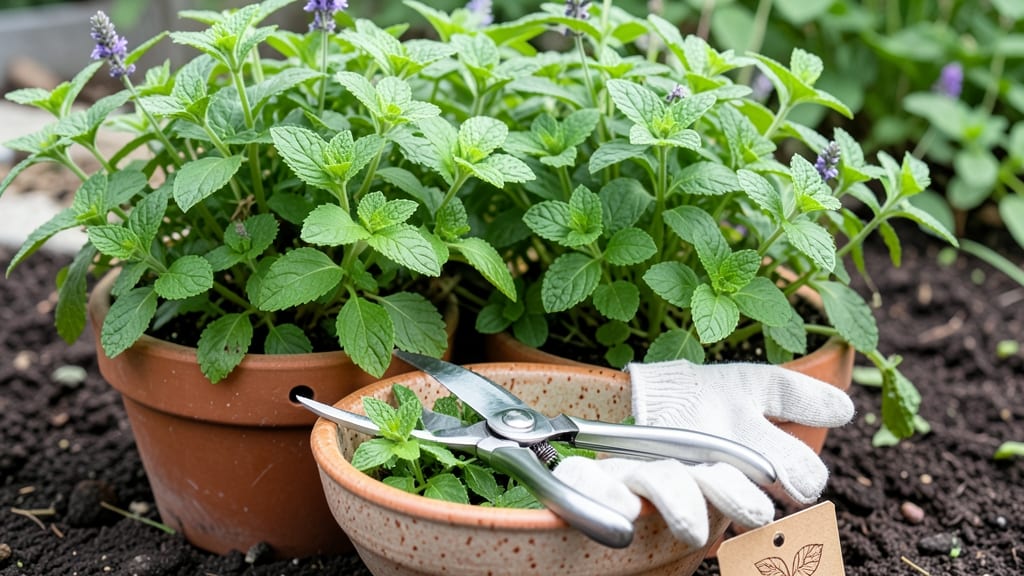
Harvesting fresh mint at the perfect moment transforms it from a simple herb into a flavor powerhouse—and the key is waiting until those leaves hit 3-4 inches. That’s when the essential oils peak, giving you the brightest, most aromatic mint for everything from cocktails to pest-repellent sprays.
I’ve learned the hard way that timing matters—harvest too early, and you’ll miss out on that signature punch. Too late, and your plant might bolt or lose vigor. The good news?
With the right technique, you can keep your mint thriving all season long, from June through September, while avoiding common pitfalls like over-harvesting or damaging stems.
What if I told you there’s a simple 3-step method to snip mint that encourages bushier regrowth? You’ll also discover how to store your harvest to keep it fresh longer, whether you’re drying it for winter teas or freezing it for summer smoothies.
Let’s dive into the secrets of a continuous mint harvest that keeps your garden—and your recipes—fresh all year.
Whether you’re growing mint in pots or garden beds, these tips will help you avoid stressing your plants while maximizing flavor. Ready to turn your mint patch into a flavor factory? Let’s get started.


When and how to harvest mint for maximum flavor and growth
Harvesting mint at the right time unlocks its boldest flavor and keeps your plant thriving. The secret? Cutting when leaves reach 3-4 inches—this is when essential oils peak, delivering that signature fresh aroma.
I’ve found that harvesting at this size also triggers bushier regrowth, giving you more leaves over time.
Timing matters too. Aim to harvest mint in the late morning after dew has dried but before the heat of midday. This ensures the leaves are hydrated and packed with flavor.
For continuous harvests, I recommend snipping leaves every 4-6 weeks throughout the growing season, which runs from June to September in most climates.
Here’s the step-by-step process I follow for perfect harvests:
Use clean, sharp scissors or pruning shears. Avoid fingers—they can crush stems and invite pests.
Look for leaves that are fully expanded (3-4 inches) and bright green. Crush a leaf—if it releases a strong mint scent, it’s ready.
Cut 1/3 of the stem just above a set of leaves. This encourages new growth from that node, keeping your plant lush.
Pick leaves every 4-6 weeks to prevent flowering. Flowers signal the end of the flavorful leaf phase—once they appear, the leaves become bitter.
Gently rinse leaves under cool water to remove dirt, then pat dry with a paper towel. Store in the fridge or use immediately for the freshest flavor.
Pro tip: If your mint plant starts to bolt (flower), it’s time to harvest aggressively. Cut back half the plant to redirect energy into leaf growth. This trick works wonders for reviving tired mint patches.
Seasonal timing also plays a role. In spring and early summer, mint grows rapidly, so you can harvest more frequently. By late summer, growth slows—reduce harvesting to let the plant store energy for next year.
One mistake I see often? Harvesting only the top leaves. This creates a leggy plant with sparse foliage. Instead, trim stems at different heights to encourage a full, bushy shape. Your mint will thank you with a bountiful harvest all season long.
For container-grown mint, the same rules apply, but be extra gentle. Containers have limited space, so over-harvesting can stunt growth. Stick to 1/4 of the plant per harvest to keep it thriving.
🌿
When and how to harvest mint for maximum flavor and growth
Harvesting mint at the right time ensures you get the most aromatic and flavorful leaves. The ideal moment is when the leaves reach 3-4 inches—this is when their essential oils peak, delivering that signature minty punch.
Waiting too long can lead to woody stems or flowering, which weakens flavor and growth.
Use sharp clean scissors or pruning shears to snip just above a leaf node. This encourages new growth and keeps your plant bushy and healthy. Avoid pulling leaves by hand, as this can damage the stems and stress the plant.
For a uniform harvest, focus on the outer stems first, allowing inner leaves to mature.
Step-by-Step Mint Harvesting Guide
- Step 1: Wait until leaves are 3-4 inches tall and dark green.
- Step 2: Use clean scissors to cut just above a leaf node.
- Step 3: Harvest outer stems first to encourage bushier growth.
- Step 4: Repeat every 4-6 weeks for continuous harvests.
- Step 5: Rinse leaves under cool water to remove dirt.
Timing matters too! Harvest mint in the morning after dew has dried but before the sun peaks. This ensures the leaves are at their freshest and most potent. Regular harvesting—every 4-6 weeks—prevents the plant from flowering, which can make the flavor bitter and reduce its vigor.
For container-grown mint, you can harvest up to one-third of the plant at a time without causing stress. If you notice the stems becoming woody or leggy, it’s a sign you’ve waited too long.
Trim back these stems to encourage new, tender growth. This practice also helps maintain a compact, manageable plant shape.
Seasonal timing plays a role too. Mint thrives in warm weather, so aim to harvest from late spring through early fall. In cooler months, growth slows, and the flavor may mellow.
If you live in a mild climate, you can extend harvesting into late fall, but avoid harvesting after the first frost, as it can damage the plant.
Pro tip: If your mint starts to flower, prune the flower spikes immediately. This redirects the plant’s energy back into leaf production, keeping your harvests abundant and flavorful. With the right timing and technique, your mint plant will reward you with continuous, vibrant harvests all season long.