
How To
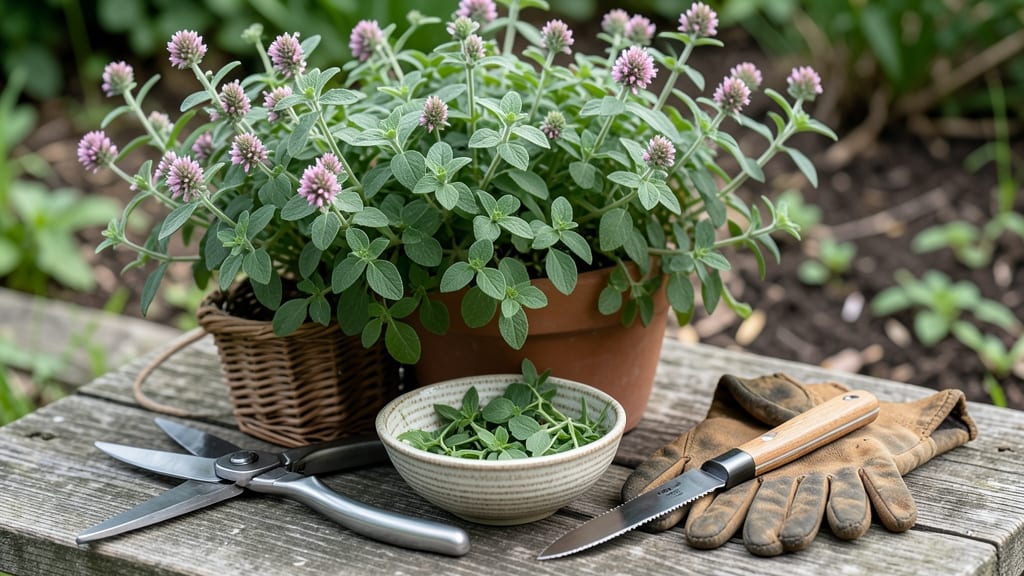
Harvesting fresh oregano at the right time can transform your herb garden from a simple decoration to a flavor powerhouse 🌿. Whether you're growing it in containers or garden beds, timing your harvest is the key to unlocking that bold, aromatic taste we all love.
Skip the guesswork and learn exactly when to snip for peak flavor—and how to keep your plant thriving for months of fresh harvests.
Most gardeners wait until their oregano is tall and bushy, but there's actually a sweet spot for harvesting that ensures both flavor and plant health. The best time to harvest is when your oregano reaches about 6-12 inches tall, just before those pretty white flowers appear.
This timing gives you the most potent flavor while encouraging your plant to grow back even bushier.
Don't worry about needing fancy tools—all you really need are clean scissors or sharp pruners. The real trick is in how you cut: always harvest from the top 1/3 of the plant to maintain its shape and encourage new growth.
With the right technique, you can harvest your oregano every 4-6 weeks throughout its growing season, from June until the first frost.
Ready to turn your oregano into a year-round flavor source? I'll walk you through the exact steps to harvest, store, and even revive your plant if you've accidentally over-harvested. Let's get started on making your kitchen garden as productive as it is delicious.


Best time to harvest oregano for maximum flavor and growth
Timing your oregano harvest is everything—cut too early, and you’ll miss peak flavor; wait too long, and the leaves become bitter or woody. The best time to harvest is when your plant reaches 6-12 inches tall and is actively growing but before flowering.
This usually happens in late spring through early fall, depending on your climate.
In most regions, oregano thrives from June to October, but if you’re in a warmer zone (like USDA Zone 8+), you can harvest as early as May or as late as November.
The key is to harvest when the leaves are deep green and fragrant—rub a few between your fingers to test. If the aroma is strong and vibrant, it’s ready!
Morning is the ideal time to harvest because the oils in the leaves are most concentrated after a night’s rest. Avoid harvesting after heavy rain or when the plant is stressed from drought, as this can reduce flavor and quality.
Here’s how to identify the perfect harvest window using seasonal cues:
Did you know? Harvesting regularly (every 4-6 weeks) encourages bushier growth and prevents your oregano from becoming woody or leggy. If you skip harvests for too long, the stems harden, and the flavor dulls.
Think of it like giving your plant a haircut—consistent trimming keeps it healthy and productive!
For container-grown oregano, the timing is similar, but you’ll need to harvest more frequently since space is limited. Pinch back the tips to encourage branching, and avoid cutting more than one-third of the plant at once to prevent stress.
If you live in a cooler climate (like USDA Zone 5 or below), your oregano may go dormant in winter. In this case, harvest all remaining leaves before the first frost (around October 30 in many regions) and bring potted plants indoors for overwintering.
This ensures you still get a late-season harvest before the cold sets in.
Pro tip: If your oregano starts flowering, the flavor shifts to a more bitter taste. To prevent this, prune flower buds early—this redirects the plant’s energy back into leaf growth, keeping those aromatic oils flowing. Your reward? A longer harvest season and more flavorful leaves!
Finally, always use clean, sharp scissors or pruning shears to avoid damaging the plant. Dull blades can crush stems, leading to disease. After harvesting, let the cuttings dry in a dark, well-ventilated area for 1-2 weeks before storing or using them fresh.
Step-by-step pruning techniques for abundant oregano harvests
Harvesting oregano isn’t just about snipping leaves—it’s about encouraging bushier growth and preserving flavor. The key lies in proper pruning techniques, which keep your plant healthy, aromatic, and productive all season.
Whether you’re a beginner or a seasoned gardener, mastering these methods will transform your oregano from a scraggly bush into a lush, flavorful powerhouse.
Start by using clean, sharp pruning shears or scissors to avoid damaging stems. Always disinfect your tools with rubbing alcohol to prevent spreading diseases. Focus on removing no more than one-third of the plant in a single session to avoid stressing it.
This balance ensures your oregano stays vibrant and keeps producing fresh leaves for months.
🌿 Step-by-Step Pruning Guide
- Step 1: Identify New Growth - Look for the youngest, softest stems with small leaves. These are the most flavorful and ideal for harvesting.
- Step 2: Cut Above a Leaf Node - Use your shears to make a clean cut just above a leaf node (where leaves meet the stem). This encourages new branches to grow from that point.
- Step 3: Trim Leggy Stems - If your oregano develops long, bare stems, prune them back to encourage a fuller shape. Cut back to a healthy leaf node or side branch.
- Step 4: Avoid Flowering Stems - If you see flower buds, snip them off immediately. Flowering diverts energy from leaf growth, reducing flavor and yield.
- Step 5: Shape the Plant - Lightly trim the outer edges to maintain a compact, rounded shape. This improves airflow and prevents fungal issues.
- Step 6: Post-Harvest Care - After pruning, water your oregano at the base of the plant to help it recover. Avoid wetting the leaves to prevent disease.
For container-grown oregano, prune more frequently—every 2-3 weeks—to prevent overcrowding. In-ground plants can handle slightly longer intervals, like every 3-4 weeks, depending on growth speed. Always prune in the morning when leaves are dry to reduce the risk of fungal infections.
One of my favorite tricks is pinching young oregano plants. Simply pinch off the top set of leaves with your fingers when the plant reaches 4-6 inches tall.
This encourages branching and results in a bushier plant with more harvestable leaves. Repeat this process every few weeks to keep your oregano thriving.
If your oregano starts to look woody or leggy, don’t panic—it’s not too late to revive it. Trim back one-third of the oldest growth to stimulate new shoots.
Within a few weeks, you’ll see fresh, vibrant growth emerging from the base. This method works especially well in late summer or early fall when growth slows down.
Remember, the goal is to harvest regularly but lightly. Frequent, small harvests yield more flavorful leaves than one big trim. Store harvested oregano in a paper bag in the fridge for up to 2 weeks, or dry it in small bundles for long-term use.
With these techniques, your oregano will reward you with abundant, aromatic harvests all season long! 🌱