
Landscaping
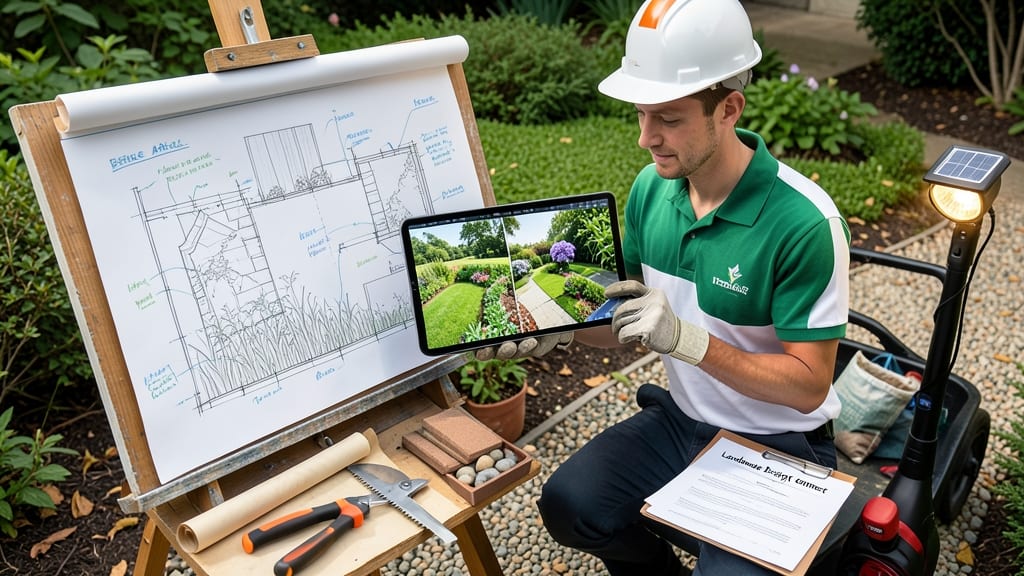
Transforming your yard from "meh" to "wow" starts with how to hire a professional for custom landscaping projects that align with your vision. 🌿 I’ve hired landscapers for everything from patio revamps to full garden redesigns—and the difference between a smooth project and a headache comes down to asking the right questions upfront.
You’ll need a clear vision (or at least a mood board), a realistic budget, and a shortlist of licensed, insured pros with experience in your climate. Skip the "cheapest bid" trap; focus on contractors who listen, show up on time, and treat your space like their own.
A good portfolio isn’t just pretty pictures—it’s proof they can handle your soil, sunlight, and style. By the end, you’ll have a detailed contract, a timeline you trust, and a pro who feels like an extension of your team. No more guessing games or last-minute surprises.
This is how you turn "someday" into "stunning." Here’s how to vet them, negotiate fairly, and keep your DIY projects in sync—so your outdoor space feels cohesive, not clashing.
📚 In This Guide
- What you need
- Instructions
- Tips and common mistakes
- Wrapping up and next steps
What you need
- ● Soil & Mulch: Topsoil (1–2 yards per 100 sq. ft., depending on depth)
- ● Mulch (2–3 cubic feet per 100 sq. ft.)
- ● Plants & Hardscaping: Native plants, shrubs, or trees (quantity based on design—consult your pro!)
- ● Gravel, pavers, or bricks (specs vary; confirm with your landscaper)
- ● Retaining walls or edging materials (if applicable)
- ● Tools (for prep or DIY touch-ups): Shovels, rakes, and wheelbarrows
- ● String line, stakes, and measuring tape
- ● Safety gear (gloves, goggles, ear protection)
- ● Outdoor lighting (solar or wired)
- ● Water features (fountains, ponds)
- ● Fertilizers or soil amendments (e.g., compost)
- ● Decorative stones or boulders
- ● Irrigation system components (if not included in the pro’s scope)
- ● Clear property boundaries and easements
- ● Permits (check local regulations for hardscaping or major changes)
- ● Utility location marks (call 811 in the U.S. to avoid buried lines!)
- ● Budget breakdown (including contingencies for 10–15% overages)
Tips & tricks for selecting the right landscaping professional
Took me years to learn these lessons the hard way—here's how to avoid the same pitfalls I did.
Budget Transparency Tip: When comparing estimates, don't just look at the bottom-line cost. Break down the $15–$30 per square foot range by material quality—cheaper options might skimp on drainage solutions or plant quality. I always ask for itemized quotes showing labor vs. materials, and cross-reference with local average costs for similar projects in your region. This helps spot inflated labor charges or hidden material costs that aren't immediately obvious.
Portfolio Deep Dive: In Step 2, when reviewing portfolios, focus on three key elements: plant health in similar climates, hardscape durability, and seasonal changes. I've seen beautiful spring photos hide winter damage or poor drainage issues. Ask for photos from all four seasons if possible, and specifically look for projects completed in your hardiness zone. This gives you a realistic expectation of how your landscape will perform year-round.
Contract Red Flags: The payment schedule in Step 4 is non-negotiable—any landscaper asking for more than 30% upfront should be approached with caution. I've seen contractors use this to disappear with deposits. Also watch for contracts without specific completion dates or vague language about "change orders." Always have a lawyer review contracts before signing, especially for projects over $5,000. The average cost dispute arises from unclear contract terms, not poor workmanship.
Communication Style Test: During your in-person consultation in Step 3, pay attention to how they explain their process. The right professional will ask about your lifestyle (entertaining frequency, pet needs) and explain how their design accommodates these. I once hired someone who ignored my request for low-maintenance plants—now I make this a non-negotiable conversation point. Clear communication during this stage predicts smooth project execution.
Pro Tips for Hire A Professional For Custom Landscaping Projects
- Took me years to learn these lessons the hard way—here's how to avoid the same pitfalls I did.
- Budget Transparency Tip: When comparing estimates, don't just look at the bottom-line cost. Break down the $15–$30 pe...
- Portfolio Deep Dive: In Step 2, when reviewing portfolios, focus on three key elements: plant health in similar clima...
Frequently asked questions
Got questions about hiring a pro for your custom landscaping project? You’re not alone!
Here are answers to the most common concerns—from budgeting to timing and everything in between.
How much does hiring a professional landscaper cost for a custom project?
Costs vary widely based on size, materials, and complexity—typically $5,000–$25,000+ for mid-to-large projects. A pro will provide a detailed estimate after assessing your space. Pro tip: Ask for itemized quotes to compare apples to apples!
What’s the best time of year to start a custom landscaping project?
Spring (March–May) and early fall (September–November) are ideal for planting and soil work. Avoid winter (frost damage) and peak summer (drought stress). Pro tip: Schedule hardscaping (patios, walkways) anytime—weather’s less critical!
Can I DIY part of the project to save money?
Many homeowners handle prep work (clearing debris, grading) or simple tasks like mulching. However, leave complex elements (irrigation, drainage, or structural work) to pros to avoid costly mistakes. Pro tip: Ask your landscaper for a “DIY-friendly” task list!
How do I spot a red flag when hiring a landscaper?
Watch for no written contracts, vague timelines, or pressure to pay upfront. Check reviews (Google, Houzz) and verify licenses/insurance. Pro tip: A reputable pro will offer references and a clear warranty—ask before signing!
What happens if my project timeline gets delayed?
Delays often stem from weather, material shortages, or unexpected site issues. A good contractor will communicate early and adjust timelines. Pro tip: Include a “force majeure” clause in your contract to protect both parties!
Wrapping up and next steps
Transforming your outdoor space into a stunning landscape is an exciting journey—and hiring the right professional makes all the difference! 🌿 By defining your vision, researching credentials, reviewing portfolios, and communicating clearly, you’ll set the stage for a stress-free, high-quality project.
Remember, a great landscaper doesn’t just plant trees; they bring your dream space to life with creativity and expertise.
Now that you’re armed with the know-how, take the next step: reach out to 2-3 top candidates and schedule consultations. Your perfect outdoor retreat is just a conversation away—let’s make it happen! 🌟