
How To
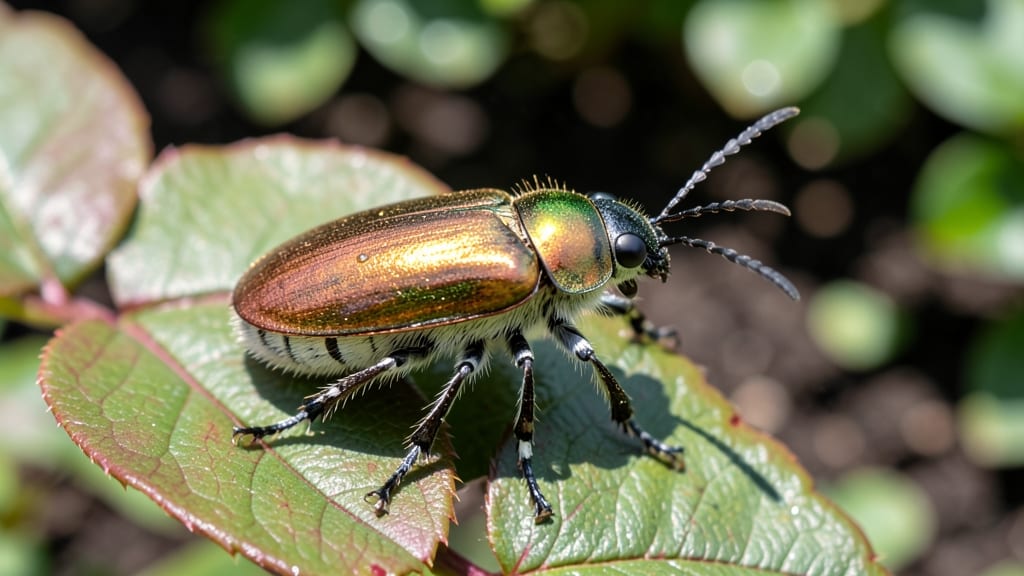
How to keep Japanese beetles out of your garden—before they strip your roses in hours. 🌿 The boiling water barrier trick isn’t just another quick fix—it’s the one method that actually stops them at the border before they even reach your plants.
Here’s why it works: beetles avoid hot surfaces, and a thin band of boiling water creates an invisible but impenetrable line. You’ll need a kettle, a long-handled spoon, and about 10 minutes every few days during peak beetle season.
The best part? It’s organic, reusable, and doesn’t harm your garden’s ecosystem.
By mid-summer, your roses, grapes, and beans will stay untouched while neighboring gardens suffer. The barrier works even on wooden decks or stone pathways, making it versatile for any yard layout. No more frantic spraying or disappointed harvests.
This method pairs perfectly with companion planting (like marigolds) and neem oil sprays for a layered defense. The boiling water handles the ground level, while other tactics tackle airborne beetles. Let’s get your garden back to thriving.
The Hidden Triggers Inviting Beetles
Japanese beetles don’t just wander into your garden by chance—they’re drawn by specific cues that turn your yard into a five-star resort. Understanding these triggers is the first step to outsmarting them before they devour your plants.
Here’s why these metallic invaders show up uninvited and how their behavior works against you.
Japanese beetles rely heavily on their acute sense of smell to locate food.
Their antennae detect volatile organic compounds (VOCs) emitted by plants, acting like a homing beacon. Rosaceae family plants—think roses, grapes, raspberries, and even your prized apple trees—are particularly irresistible because they release phenylacetaldehyde, a compound that mimics the scent of female beetles, triggering mating and feeding frenzies.
But it’s not just flowers or fruits. Stressed plants (drought, poor soil, or disease) emit even stronger distress signals, making them a buffet for beetles. Actionable insight: Healthy, well-watered plants are less likely to broadcast "eat me" signals, but beetles will still target them—you just need to disrupt their detection methods.
Japanese beetles don’t start as adults—they begin as white, C-shaped grubs in the soil, where they feast on grass roots for up to a year before pupating.
By the time they emerge as adults in late June to August, they’re already programmed to seek out the plants their parents favored. This means if your neighbor’s lawn was a grub hotspot last year, their adult offspring will target your garden this summer.
Key factors that fuel their lifecycle:
- Warm, moist soil: Grubs thrive in lawns with thick, cool-season grasses (like Kentucky bluegrass) that retain moisture. Sandy or dry soils slow their development.
- Lack of natural predators: Birds, toads, and parasitic wasps keep grub populations in check, but urban gardens often lack these allies.
- Over-fertilized lawns: Excess nitrogen makes grass roots more nutritious for grubs, accelerating their growth and leading to larger adult populations.
💡 Pro Tip: If your lawn is lush and green but beetle-free, it might be because the soil is too dry or compacted—grubs avoid these conditions. Conversely, if your yard is a beetle magnet, the grubs are likely already burrowed beneath your feet.
Japanese beetles are cold-sensitive and time their emergence based on temperature cues. Adults wake up from their winter dormancy when soil temperatures hit 55–60°F (13–16°C) for at least three consecutive days.
Once airborne, they’re drawn to sunlit, open spaces where they can warm their bodies quickly—a behavior called thermoregulation.
Here’s how weather plays into their invasion:
| Weather Factor | How It Attracts Beetles |
|---|---|
| Warm, sunny days | Beetles fly higher and farther, increasing their range. Cloudy or windy days keep them grounded near shelter (like hedges or trees). |
| Light rain or dew | Moisture softens plant tissues, making them easier to consume. Beetles also use water sources to hydrate and mate. |
| Drought followed by rain | Stressed plants release more VOCs, and sudden rain triggers a feeding frenzy as beetles take advantage of weakened foliage. |
🌡️ Actionable Insight: If your area experiences an early heatwave, beetles may emerge weeks earlier than usual. Monitor local weather patterns and prepare defenses before they arrive.
Japanese beetles don’t just land randomly—they’re drawn to visual and structural cues that mimic their natural habitat. Urban gardens often provide the perfect setup:
- Mixed plantings near lawns: Beetles emerge from grassy areas and immediately fly to the nearest flowering or fruiting plants. A 10-foot buffer of beetle-repellent plants (like marigolds or catnip) can disrupt this pattern.
- Dark-colored mulch or soil: Beetles use contrast vision to spot plants. Dark surfaces (like black plastic mulch) make foliage stand out, signaling "food here." Light-colored mulch or gravel can reduce visibility.
- Stagnant water sources: Ponds, birdbaths, or even damp soil can attract beetles for hydration. They’ll linger longer if water is available, increasing damage time.
- Monoculture plantings: Large patches of a single beetle-favorite plant (e.g., a rose hedge) act like a beacon. Diverse gardens confuse their navigation systems.
✨ Design Hack: Place beetle-trap plants (like evening primrose or roses) far from your veggies. The beetles will cluster there instead of spreading out.
Now that you know why these beetles show up, the next step is to disrupt their detection systems—starting with the boiling water barrier trick that confuses their scent trails and cuts off their food supply. Stay tuned!
Beat Back Beetles Naturally
Japanese beetles are a persistent nuisance, but with the right strategies, you can reclaim your garden without harsh chemicals. Below, we’ve mapped common causes to effective fixes, including prevention tips to keep these pests at bay for good.
Cause: Beetles are drawn to bright flowers, ripe fruit, and lush foliage. Fix: Use beetle traps strategically—but only if you’re prepared for the results. Place traps far from your garden (at least 30 feet away) to avoid attracting more beetles to your plants. For a DIY trap, mix 1 part dish soap, 1 part water, and a splash of vinegar in a bucket. Add a few drops of grape or rose-scented essential oils to lure them in, then drown them in soapy water.
Pro Tip: 💡 Hang traps in late morning when beetles are most active, and empty them daily to prevent escapees from reproducing.
Cause: Japanese beetles love to march across lawns and into gardens. Fix: Create a boiling water barrier around vulnerable plants. Here’s how:
- 🔥 Boil 2–3 gallons of water in a large pot (or use a kettle for smaller areas).
- 👨🍳 Pour the water carefully along the perimeter of your garden beds, focusing on the soil surface (not the plants).
- ⏰ Repeat every 2–3 days for the first week, then weekly during peak beetle season (June–August).
Why It Works: The sudden heat disrupts their movement patterns, and the steam kills eggs and larvae in the soil. For extra protection, add 1 tbsp of dish soap to the water to break their waxy outer layer.
Pro Tip: ✨ Water the barrier lightly before boiling to soften the soil—this makes the treatment more effective.
Cause: Beetles target roses, grapes, beans, and other lush greens. Fix: Prune and remove damaged leaves daily, especially in the morning when beetles are feeding. For roses, spray leaves with neem oil (a natural repellent) every 3–4 days. For vegetables like beans and corn, cover plants with lightweight row covers (like floating fabric tunnels) to block beetles while allowing pollination.
Pro Tip: 🌡️ Plant beetle-repelling companions like catnip, tansy, or garlic near vulnerable plants—their strong scents confuse beetles.
Cause: Grubs (beetle larvae) live in lawns and gardens, emerging as adults in summer. Fix: Aerate your lawn in early spring (April–May) to expose grubs, then handpick them or use a grub-specific nematode treatment (like Heterorhabditis bacteriophora). For gardens, till the soil in fall to disrupt egg-laying sites.
Pro Tip: 🎯 Look for brown, C-shaped grubs 1–1.5 inches long—they’re the beetle’s juvenile stage. Destroy them immediately!
Cause: Beetles chew through leaves, flowers, and fruit. Fix: Protect high-value plants with physical barriers:
- 🍳 For roses: Wrap stems in fine mesh netting (like tulle or hardware cloth).
- 🥘 For grapes/berries: Use bird netting or cheesecloth bags over clusters.
- 🔪 For vegetables: Spray plants with a soapy water mix (1 tsp dish soap per gallon) to create a slippery surface they avoid.
Pro Tip: 🔥 Rotate barriers weekly to prevent beetles from chewing through weak spots.
**Final Prevention
Frequently asked questions
Can I use the boiling water barrier on all types of plants?
The boiling water barrier works best on perennial plants like roses, grapes, and berries since they can handle repeated treatments. For delicate annuals or seedlings, avoid pouring directly on soil—focus the barrier 1-2 feet away from the plant base instead. Always test a small area first to check for sensitivity.
How often should I apply the boiling water treatment?
Start with every 2-3 days for the first week to establish the barrier, then switch to weekly applications during peak beetle season (June-August). Reduce to biweekly in late summer as beetle activity naturally declines. Consistency is key—skipping treatments can let beetles breach your defense.
Will this method work if my neighbor's lawn has Japanese beetles?
Yes, but with limitations. The boiling water barrier will stop beetles from entering your garden, but you may see more beetles flying around your property. To address this, combine the barrier with companion planting (like catnip or tansy) and grub control in lawns to reduce the overall beetle population in your neighborhood.
Can I mix other repellents with the boiling water?
Yes! Adding 1 tablespoon of dish soap to the boiling water helps break down the beetles' waxy outer layer, making them more vulnerable. You can also include 1 teaspoon of neem oil (per gallon) for added repellent properties. Just avoid essential oils that might harm beneficial insects in your garden.
What should I do if beetles are already damaging my plants?
First, remove all visible beetles by hand (drop them in soapy water) and prune damaged foliage. Then apply the boiling water barrier immediately. For severe infestations, combine this with row covers over vulnerable plants and neem oil sprays (every 3-4 days) to break their feeding cycle.