
Companion Plants
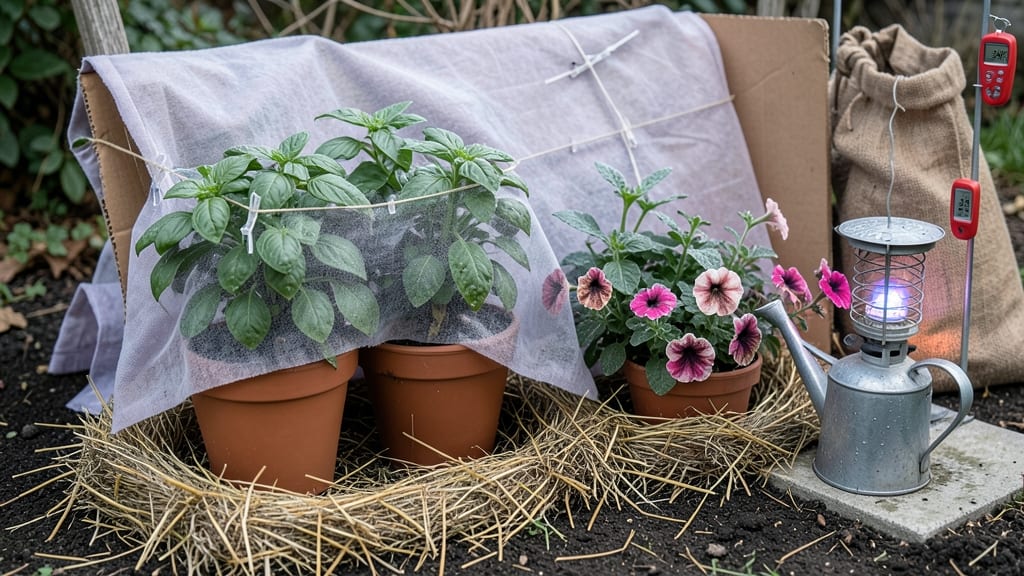
How to keep plants from freezing outside—your secret weapon is a layered mulch shield that blocks frost like a cozy blanket. 🌿 I've lost too many perennials to sudden freezes, but this method saved my rosemary, lavender, and even tender basil through last year's 20°F nights. The secret? Combining organic mulch with protective covers before the first frost hits. Start with 3-4 inches of straw or leaves around the base—this insulates roots from temperature swings. For extra protection, drape frost cloth over containers or drape it loosely over perennials (secure with bricks or stakes). The key is airflow: plants suffocate under plastic, but breathable fabric lets them adapt while shielding against cold snaps. By spring, you'll see new growth weeks earlier than neighbors who didn't protect their plants. Even herbs like dill and cilantro bounce back faster when their roots stay warm. The best part? This works for vegetable beds, shrubs, and potted plants—no fancy equipment needed. Timing matters: apply mulch after soil freezes but before hard frost, and remove covers on sunny days to prevent rot. For potted plants, move them to a sheltered porch or garage if temps drop below 25°F. Your garden will thank you in spring with lush, productive plants that look like they never faced winter.
📚 In This Guide
- What you need
- Instructions
- Tips and common mistakes
- Wrapping up and next steps
What you need
- ● Mulch: 3–4 inches of organic mulch (straw, shredded leaves, pine needles, or wood chips). Quantity: Enough to cover the base of plants (typically 1–2 bags per 10 sq. ft.).
- ● Burlap or landscape fabric: A roll (10–20 ft. long, 4–6 ft. wide) to wrap around plant bases or create a barrier.
- ● Cardboard or thick paper: 2–3 sheets (cut to fit plant pots or garden beds) to block soil contact with cold air.
- ● Plastic milk jugs, buckets, or large pots: 1–2 per plant (5–10 gallon size) for DIY cloches or water reservoirs.
- ● Rocks or bricks: 4–6 medium-sized (for securing fabric or mulch in place).
- ● Garden twine or zip ties: A small roll (for securing materials).
- ● Watering can or hose: For hydrating plants before winterizing.
- ● Insulated plant covers: Frost blankets or row covers (rated for -20°F or lower).
- ● Heat source: A solar-powered garden light or small heat lamp (for extreme cold snaps).
- ● Anti-desiccant spray: (e.g., Wilt-Pruf) to protect leaves from drying out.
- ● Thermometer: Soil or air thermometer to monitor temperatures.
- ● Compost or manure: A handful per plant (adds warmth and nutrients to soil).
Tips & tricks for perfect plant winter protection
Don't let a harsh winter catch you unprepared—these insider tips will help you create the most effective protective barrier for your plants.
Zone-Specific Strategy: While most perennials handle 20-30°F without issues, tropical plants in zones 8-10 need extra care. Create a "microclimate" by grouping them with evergreens—their foliage acts as a natural windbreak. For zone 7 and below, consider adding a third layer of straw even if the instructions don't specify it, as the extra insulation can make all the difference during prolonged cold snaps.
Mulch Layering Technique: When applying that 3-4 inch layer of straw or shredded leaves in Step 3, use a rake to create gentle ridges in the mulch. This increases air pockets, improving insulation while preventing compaction. For container plants, surround them with 6-8 inches of straw (even if they're hardy) since containers freeze faster than in-ground soil.
Material Selection: For the cardboard/burlap layer in Step 4, avoid glossy or waxed cardboard—it repels water and reduces effectiveness. Instead, use plain brown cardboard or heavyweight burlap that's at least 1/4 inch thick. Pro tip: Place a thin layer of newspaper between the mulch and cardboard to prevent moisture wicking from the soil.
Extreme Cold Rescue: If temperatures drop below 10°F (as mentioned in Step 5), don't wait to add extra straw. Create "mini snow drifts" around vulnerable plants by piling straw in 3-inch mounds around the base. This mimics natural snow cover that can add 10-15°F of protection. For citrus trees, wrap trunks with burlap soaked in water—the latent heat release provides additional warmth.
Pro Tips for Keep Plants From Freezing Outside
- Don't let a harsh winter catch you unprepared—these insider tips will help you create the most effective protective barrier for your plants.
- Zone-Specific Strategy: While most perennials handle 20-30°F without issues, tropical plants in zones 8-10 need extra care.
- Mulch Layering Technique: When applying that 3-4 inch layer of straw or shredded leaves in Step 3, use a rake to create gentle ridges in the mulch.
Frequently asked questions
about protecting plants from freezing temperatures—because winter prep shouldn’t be a mystery!When should I start preparing my plants for freezing weather?
Start before the first frost—typically 4–6 weeks ahead in fall (check your USDA Hardiness Zone). Early prep gives roots time to adjust, and mulch or covers work best when applied before temps drop below 32°F. Pro tip: Monitor local forecasts for "first frost" dates to time it perfectly!
Can I use regular soil or grass clippings as mulch instead of straw?
Not ideal! Regular soil compacts easily, trapping moisture and suffocating roots. Grass clippings can mat down and block airflow. Opt for straw, leaves, or wood chips (3–4 inches deep) for insulation. Bonus: Shredded leaves break down slower, extending warmth longer.
What if I don’t have a greenhouse or cold frame—are there cheap alternatives?
Try:
- DIY row covers: Use old bedsheets, burlap, or frost cloth over hoops or stakes.
- Upside-down pots: Place terracotta pots over tender plants (like herbs) for mini greenhouses.
- Snow blankets: Pile snow around bases—it insulates like a natural quilt!
How do I know if my plants are still alive under the mulch?
Check for green leaves or buds in spring (some plants, like hostas, go dormant). Gently brush away mulch in spots to peek at stems—if they’re brown and mushy, they’re dead. Pro move: Label plants with sticks so you don’t accidentally dig up survivors!
Will this work for citrus trees or other tropical plants?
Not without extra steps! Tropicals need winter protection + warmth. Try:
- Moving potted plants to a garage or under eaves.
- Wrapping the trunk in bubble wrap or burlap.
- Using a space heater (safely!) or heat lamp for 24 hours during hard freezes.
Wrapping up and next steps
Keeping your plants safe from freezing temperatures doesn’t have to be complicated—just a little preparation goes a long way! 🌱 By using layered mulch shields, insulating containers, and strategic plant placement, you’ll give your greenery the best chance to thrive through winter.
Remember, even small steps like covering tender plants with frost cloth or moving pots to sheltered spots can make all the difference.
Now that you’re armed with these tips, put your knowledge into action! Start by assessing your garden’s needs this week—whether it’s gathering materials or testing a mini mulch shield on a vulnerable plant. Your future winter garden will thank you! 🌿✨