
How To
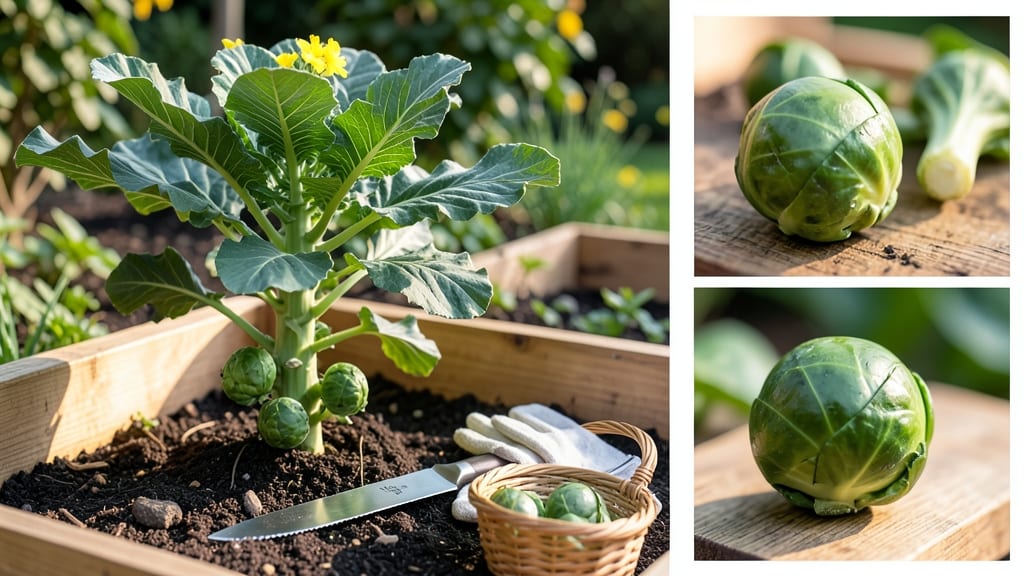
How to know when Brussels sprouts are ready to harvest makes all the difference between sweet, crisp buds and bitter, overgrown disappointments. That perfect moment arrives when the sprouts hit 1-1.5 inches in diameter—small enough to enjoy now, but large enough to pack serious flavor.
Most gardeners miss this window because they focus only on size, but the color and texture are just as important. Look for deep green or even purple hues and a firm stem that snaps cleanly when bent—these are your telltale signs of peak ripeness in USDA Zone 6a.
Timing matters too: in spring plantings, aim for late summer harvests, while fall plantings should be ready by October. A light frost can even sweeten the flavor, but don’t wait too long—once the leaves yellow and die back, the plant is signaling it’s time to act.
I’ll show you exactly how to test for readiness and avoid common mistakes that ruin your harvest. By the end, you’ll know precisely when to grab your scissors and start picking for that perfect fall/winter feast.


Brussels sprouts harvest guide: size, color & texture clues for optimal ripeness
Timing your Brussels sprouts harvest is everything—wait too long, and you’ll end up with bitter, woody buds. The key lies in three simple visual and physical cues: bud size, color depth, and stem firmness.
I’ve harvested these little cabbages for years, and I can tell you, the difference between a perfect sprout and a tough one comes down to these details.
Brussels sprouts typically take 90 days from transplanting to reach peak harvest readiness, but don’t rely solely on days—always check the plant itself. The bottom buds mature first, so you’ll often have a mix of ready and unripe sprouts on the same plant.
This staggered ripening is actually a bonus—it means you can harvest over several weeks rather than all at once.
Here’s the golden rule: Harvest when sprouts are 1 to 1.5 inches in diameter. This size guarantees the perfect balance of crispness and flavor. Any smaller, and they’ll be too baby-like and bland; any larger, and they’ll turn woody and bitter.
Think of it like picking green beans—you want them firm but tender.
The color change is your second clue. Start with bright green buds, but as they mature, they deepen to a rich emerald or purple hue, depending on the variety. For example, ‘Long Island Improved’ stays green, while ‘Ruby’ turns deep purple.
A consistent color means they’re ready—if you see yellowing or browning, it’s a sign of overripeness or stress.
Don’t overlook the stem test, which is my foolproof trick. Simply bend a sprout’s stem gently—if it snaps cleanly (not breaks with resistance), it’s ready. A firm, unyielding stem means you need to wait a few more days.
This test works because mature sprouts have a higher water content, making them easier to snap. Pro tip: Do this test in the morning when stems are most hydrated.
Seasonal timing also plays a role. In cooler climates, Brussels sprouts thrive in fall’s crisp air, and a light frost actually sweetens the flavor. But don’t wait too long—once the plant bolts (sends up a tall flower stalk), the remaining sprouts will become tough and inedible.
If you’re in USDA Zone 6a or colder, aim to harvest before the first hard frost (around October 31 in many regions).
Harvesting from the bottom up is another pro move. Start with the lowest buds and work your way up the stem, leaving 1–2 inches of stem between each sprout. This method encourages the plant to produce more buds higher up.
Use a sharp knife or pruning shears to avoid damaging the stem—tearing can invite pests and disease. I like to harvest on a dry morning after the dew has evaporated to keep the sprouts clean.
One common mistake is assuming all sprouts ripen at once. In reality, the plant produces buds over 4–6 weeks, so you’ll likely have multiple harvest sessions. If you miss the window, don’t panic—you can still harvest smaller, firmer sprouts for cooking (they’ll just be less flavorful).
But for that crisp, sweet crunch, timing is everything.
Finally, keep an eye on the plant’s overall health. If the leaves turn yellow and die back naturally, it’s a sign the plant is maturing. But if they wilt suddenly or develop brown spots, it could mean disease or pests.
In this case, harvest what you can and address the issue before the plant declines further. A healthy Brussels sprout plant will reward you with a bountiful harvest if you pay attention to these cues.
Brussels sprouts harvest guide: size, color & texture clues for optimal ripeness
Brussels sprouts are ready to harvest when they reach peak ripeness, but timing is everything. Overripe sprouts turn bitter, while underripe ones stay tough and bland. The key lies in watching for three visual cues: bud size, color changes, and leaf wrapping.
I’ve learned that harvesting at the right moment transforms these little cabbages into crisp, sweet gems—no more mushy or woody surprises!
Start by checking the bottom buds first—they mature earliest. Look for 1-1.5 inch diameter sprouts with tightly packed leaves. The color should shift from pale green to a rich, deep green or even purple, depending on the variety.
These clues tell me it’s time to grab my pruners and get harvesting before the plant bolts or suffers frost damage.
| Stage | Bud Size | Color | Texture | Action |
|---|---|---|---|---|
| Not Ready | < 1 inch | Pale green | Firm, woody | Wait 1-2 weeks |
| Perfectly Ripe | 1-1.5 inches | Deep green/purple | Crisp, firm | Harvest immediately |
| Overripe | > 1.5 inches | Yellowing | Soft, bitter | Use quickly or discard |
Don’t rely on size alone—I’ve found the snap test is foolproof. Gently bend a sprout’s stem: if it snaps cleanly, it’s ready. If it resists, wait another week.
This trick saves me from harvesting too early or too late. For varieties like ‘Long Island Improved,’ I also watch for purple tinges, which signal sweetness and readiness.
Seasonal timing matters too. In fall harvests, aim for late October to November before hard frosts hit. For late-summer plantings, harvest in December or January when nights grow cooler.
I’ve learned that light frosts actually sweeten the flavor, but heavy freezes ruin the crop. Always harvest before the plant sends up a flower stalk—this is your final warning!
Pro tip: Harvest from the bottom up to encourage new sprouts higher on the stem. Leave 1-2 inches between each bud to prevent overcrowding. I use sharp pruning shears to avoid damaging the plant, and I always harvest on a dry morning so the sprouts stay crisp.
This method gives me a steady supply all season long.
If you miss the window, don’t panic. You can still salvage overripe sprouts by blanching them (covering with leaves for 1-2 weeks) to restore crispness. But for the best flavor, timing is everything—so keep an eye on those buds and harvest at peak ripeness for the sweetest, most satisfying crop!