
How To
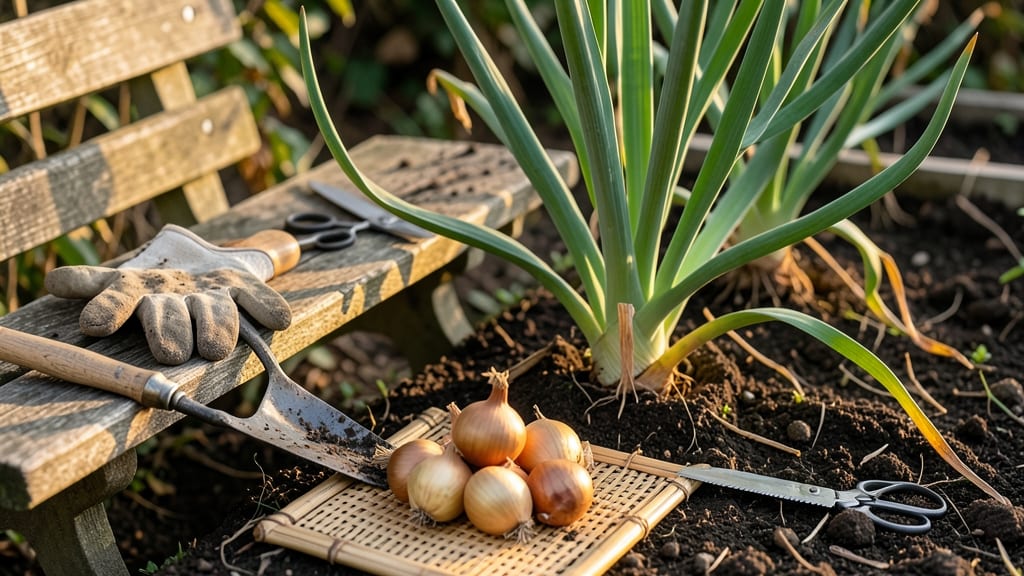
How to know when onions are ready to pick can make or break your harvest—miss the window, and you'll end up with tough, pungent bulbs instead of sweet, flavorful ones. Most gardeners focus only on the green tops turning brown, but there are actually three key signals that reveal true maturity, and ignoring them means wasted effort.
If you've ever pulled onions too early and found them small or still growing, you're not alone. The real signs of readiness go beyond just the color of the tops—they're hiding in the bulb's texture, the stem's thickness, and even how easily they come out of the soil.
I'll show you exactly what to look for, so you never guess again.
Timing matters even more than you think. Planting in March or April in Zone 6a means your onions will likely be ready between June and August, but different varieties mature at different rates.
Short-day onions bolt faster in warm climates, while long-day types need cooler weather to bulk up properly.
Once you spot the right cues, the next challenge is storing them correctly. A few simple steps after harvest can extend their shelf life from weeks to months—without turning them soft or sprouty.
Let's break down the process step by step, so you can enjoy your homegrown harvest all season long.


3 Unexpected signs your onions are ready to harvest (not just the green tops)
Most gardeners focus on the green tops when checking onion maturity, but these above-ground leaves aren’t the only clues. The real indicators lie in the bulb’s physical structure and subtle changes you might overlook.
I’ve harvested onions for years, and these three unexpected signs have saved me from bitter, underdeveloped bulbs—or worse, waiting too long and ending up with hollow, pithy onions.
First, pay attention to the neck of the onion—the stem connecting the bulb to the leaves. When it’s ½-inch thick and feels firm to the touch, that’s your first green light. Many gardeners skip this step and end up with small, weak bulbs that lack flavor.
I learned this the hard way when my first batch of yellow onions turned out disappointingly tiny because I harvested too early.
Next, check the skin texture of the bulb. Ready-to-harvest onions develop a papery, dry skin that peels away easily. If you’re still seeing moist or shiny skin, your onions need more time in the ground.
Pro tip: Gently squeeze the bulb—if it feels soft or spongy, it’s not ready yet. This simple test has saved me from rotting onions in my storage bin.
Finally, test the root resistance by gently tugging on the onion. If the bulb pulls out easily with minimal resistance, it’s time to harvest. Resistant roots mean the onion is still growing.
I always do this test in the morning after watering—the soil is moist but not soggy, making it easier to assess.
🌱 3 Key Signs Your Onions Are Ready
- Neck Thickening: Stem is ½-inch thick and firm to the touch. This indicates the bulb has reached full size.
- Papery Skin: Outer skin is dry and peels easily. Moist skin means more time in the ground.
- Root Pull Resistance: Bulb comes out easily when gently tugged. No resistance = not ready yet.
One common mistake I see is waiting until the green tops turn brown before harvesting. While this is a classic sign, it’s often too late—the bulbs may have already started to split or rot.
Instead, I now harvest 1-2 weeks before the tops fully brown, based on the neck and skin tests above. This timing trick has given me larger, sweeter onions every season.
For short-day onions (like Texas Early White), these signs appear 60-90 days after planting, while long-day varieties (such as Yellow Sweet Spanish) take 100-120 days. I always mark my planting dates so I know when to start watching for these cues.
Missing the window? Don’t worry—green onions can still be harvested early by cutting the green tops 2-3 inches above the bulb and letting the bulb regrow.
Another trick I’ve learned is to harvest a few test onions when they’re close to maturity. Cut one open to check for a solid, white center—if you see hollow spots or dark streaks, the onion has overmatured.
This simple check has helped me adjust my harvest timing perfectly over the years.
Seasonal timing also plays a role. In warmer climates, onions mature faster and may need harvesting earlier in the season. Meanwhile, in cooler regions, they’ll take longer. I always adjust my expectations based on local weather patterns—last summer’s heat wave had my onions ready 3 weeks early!
Remember, the goal is harvesting at peak flavor, not just size. Overripe onions lose their sweetness and become bitter or pungent. By focusing on these three unexpected signs—neck thickness, papery skin, and root resistance—you’ll consistently pull onions at their sweetest, most flavorful stage.
Onion variety matters: when to pick short-day vs. long-day vs. day-neutral onions
Not all onions mature on the same schedule—variety type determines your harvest window. Short-day onions thrive in warm climates and mature quickly, while long-day varieties need cooler weather to develop. Day-neutral onions? They’re the flexible middle ground. Knowing your onion type prevents overripe or underdeveloped harvests.
Short-day onions, like Texas Early White, mature in 90-110 days when planted in warmer regions (Zones 8-10). Their tops yellow earlier, signaling readiness. Long-day varieties, such as Yellow Sweet Spanish, take 120-150 days and need cooler temps (Zones 3-7) to form bulbs.
Day-neutral onions, like Red Baron, adapt to any climate but often mature in 100-120 days. Their harvest timing blends traits of both types, making them ideal for unpredictable growing seasons.
| Variety Type | Days to Maturity | Best Climate Zones | Harvest Cues |
|---|---|---|---|
| Short-Day | 90-110 | 8-10 (warm) | Tops yellow early, bulbs firm |
| Long-Day | 120-150 | 3-7 (cool) | Tops flatten, neck thickens |
| Day-Neutral | 100-120 | All zones | Papery skin, firm bulbs |
If you’re in Zone 5 or cooler, stick to long-day varieties like Candy or Walla Walla. For Zones 8-10, short-day types such as Granex or Texas Super Sweet will mature faster. Day-neutral onions like Stuttgarter work anywhere but may need 10-14 extra days in hot climates.
Pro tip: Check seed packets for day-length requirements—this info is golden. Planting the wrong type in your zone can leave you with small, pungent bulbs instead of the sweet, flavorful harvests you crave. Adjust your planting schedule based on your local frost dates too!
For example, in Zone 7, plant long-day onions in early spring (March) for a summer harvest, while short-day types can go in late spring (May) to avoid bolting. Timing is everything—don’t rush it!
Once you know your onion’s maturity timeline, monitor for the three universal harvest signs: yellowing tops, papery skin, and a thickened neck. These cues override variety rules—trust them over the calendar.