
How To
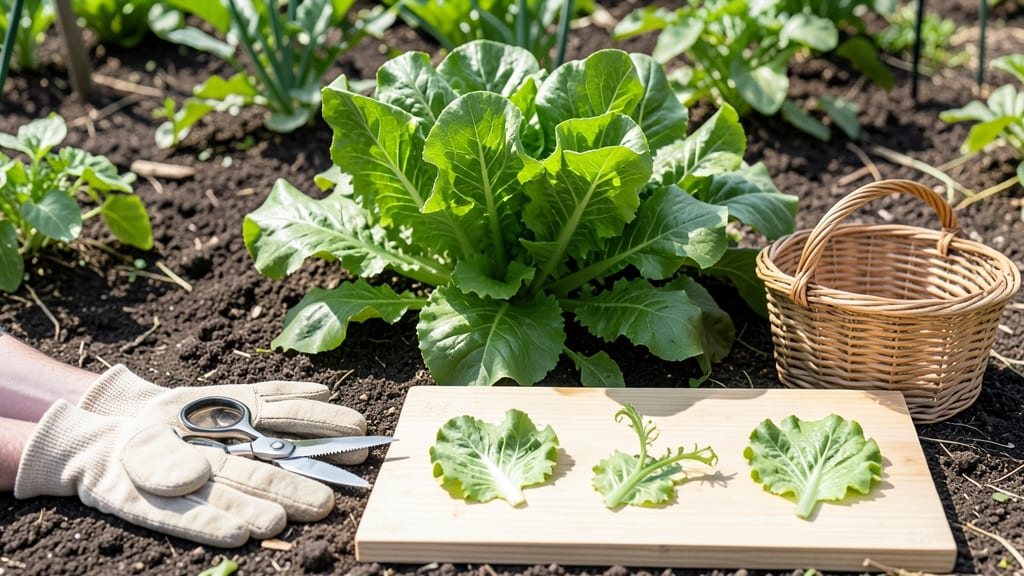
How to know when to pick lettuce can turn your garden from a source of frustration to a steady supply of crisp, flavorful greens. That perfect moment—when your 🥬 is ready—happens faster than you think, and missing it means bitter leaves or wasted effort.
Most gardeners wait too long, hoping for bigger harvests, but the key is actually watching for specific cues. We’re talking leaf size, firmness, and even color shifts that signal peak ripeness. Ignore these signs, and you’ll end up with tough stems or bolting plants before you can enjoy them.
In this guide, I’ll break down the exact visual and texture tests you need to know—plus how to adjust for your climate and lettuce type. Whether you’re growing loose-leaf varieties or tight heads, these tricks will help you harvest at the perfect time, every season.
Ready to stop guessing and start enjoying fresh, homegrown salads? Let’s dive into the simple but game-changing ways to tell when your lettuce is finally ready to pick.


5 Visual and texture signs your lettuce is perfectly ripe for harvesting
Harvesting lettuce at the right time transforms your garden into a salad bar—crisp, flavorful leaves straight from the soil. The key lies in leaf size, color depth, and texture firmness.
Ignore these cues, and you risk bitter, tough, or bolting lettuce that ruins your meal. Let’s break down the 5 foolproof signs your lettuce is ready to pick.
First, check the leaf size. For most varieties, ideal harvest size is 3-6 inches long.
Smaller leaves mean the lettuce isn’t mature enough, while larger leaves signal over-maturity. Loose-leaf varieties can be harvested when individual leaves reach this size, while head lettuce should form a compact, rounded shape before picking.
Next, examine the color intensity. Vibrant, deep hues—whether dark green, reddish-purple, or golden-yellow—indicate ripeness. Pale or uneven coloring means the lettuce needs more time. For example, romaine should have a rich emerald green, while butterhead varieties develop a creamy, buttery shade when ready.
Now, test the texture. Gently squeeze a leaf—it should feel crisp and firm, not floppy or rubbery. Tough stems or hollow cores are red flags for over-maturity. Morning harvests yield the crispiest lettuce, as evening heat can make leaves wilt faster.
The growth stage also matters. For cut-and-come-again varieties, you can start harvesting outer leaves when they’re 4-5 inches long, leaving the inner leaves to regrow. For head lettuce, wait until the head is fully formed and firm to the touch.
If the core starts to loosen or the leaves spread outward, you’ve waited too long.
Finally, trust your taste test. If you’re unsure, pluck a leaf and taste it. Sweet, mild flavors mean it’s ready. Bitter or peppery notes signal stress or over-maturity, often caused by heat or drought. Harvesting in the morning ensures the best flavor, as nighttime cooling enhances sweetness.
🌱 5 Signs Your Lettuce Is Ready to Harvest
- 1. Leaf Size: 3-6 inches long, fully formed
- 2. Color Depth: Vibrant, deep and consistent (no pale spots)
- 3. Texture: Crisp and firm, not floppy or rubbery
- 4. Growth Stage: Compact head (for head lettuce) or mature outer leaves (for loose-leaf)
- 5. Flavor: Sweet and mild, no bitterness
Overlooking these signs can lead to bolting—when lettuce sends up a flower stalk—especially in hot weather or long daylight hours. If your lettuce bolts, the leaves turn bitter and tough. To prevent this, plant shade-tolerant varieties like oakleaf or arugula in summer, and always harvest before the core loosens.
For continuous harvests, use the cut-and-come-again method. Snip outer leaves 1 inch above the base, leaving the inner leaves to grow. This extends your harvest by 2-4 weeks and keeps your lettuce productive. Just avoid cutting more than 1/3 of the plant at once to prevent stress.
Seasonal timing also plays a role. In spring and fall, lettuce grows faster due to cooler temperatures. In summer, growth slows, and heat stress accelerates bolting. If you’re growing in containers, monitor soil moisture closely—consistent watering prevents stress-related bitterness.
Remember, the earlier you harvest, the longer your lettuce will stay fresh. Store freshly picked lettuce in the crisper drawer of your fridge, wrapped in a damp paper towel, to maintain crispness for up to 1 week.
With these signs in mind, you’ll never second-guess when to pick your lettuce again!
5 Visual and texture signs your lettuce is perfectly ripe for harvesting
Determining the exact moment to harvest your lettuce can feel like guessing, but I’ve learned to trust my eyes—and fingers. The key lies in a mix of leaf size, texture, and color cues that signal peak ripeness.
For example, loose-leaf varieties like Buttercrunch or Oakleaf often reach harvest readiness when leaves are 3-6 inches long and fully unfurled, while head lettuce like Romaine or Iceberg should form tight, compact heads.
One of my biggest mistakes was waiting too long for lettuce to "get bigger," only to find bitter, tough leaves. The secret? Harvest when the outer leaves are large enough to eat—this encourages the plant to keep producing new growth.
For head lettuce, the head should feel firm to the touch and not easily deform when gently squeezed. If it feels spongy or hollow, it’s past its prime.
Color is another dead giveaway. Vibrant, deep hues—whether rich green, deep red, or purple—indicate maturity, while pale or yellowing leaves mean it’s time to pick before the plant bolts (sends up a flower stalk).
I always check the underside of leaves too; if they’re dusty or covered in white powdery mildew, it’s a sign to harvest immediately to prevent spread.
Don’t overlook the time of day when harvesting—morning is ideal because lettuce is crispest and coolest after overnight hydration. I’ve noticed that picking in the early hours also reduces stress on the plant, especially in hot climates where lettuce can wilt quickly.
If you’re growing cut-and-come-again varieties like Salad Bowl, harvest the outer leaves first, leaving the inner growth point intact to produce more leaves.
One pro tip I learned from a local farmer is to watch for bolting signs, like tall flower stalks or yellowing leaves. If your lettuce starts to send up a stalk, it’s past its prime for leaf production.
In my garden, I’ve found that shade cloth in hot weather and consistent watering delay bolting, giving me more time to enjoy fresh harvests. For head lettuce, the head should be firm and dense—if it feels hollow or the leaves pull apart easily, it’s overripe.
Finally, trust your instincts. If the lettuce looks perfect but tastes off, it might be time to harvest the whole plant. I’ve salvaged many a "almost past prime" batch by using the leaves in cooked dishes where bitterness is masked, but for raw salads, timing is everything.
With these signs in mind, you’ll never second-guess when to pick again!