
How To
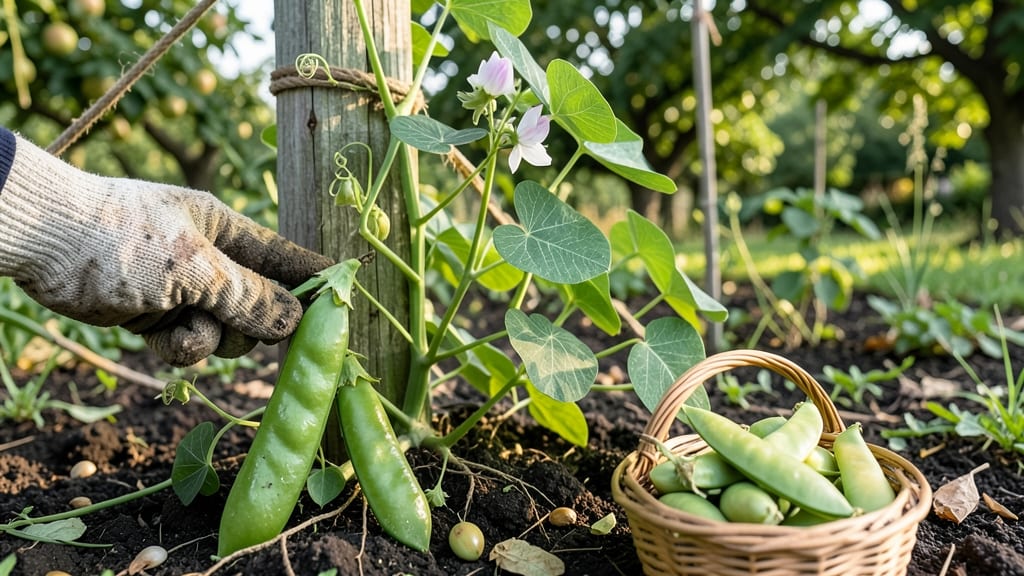
How to know when to pick peas can turn your garden from a frustrating guess into a rewarding harvest of sweet, tender pods. The difference between a perfect snap and a tough, mealy pea often comes down to timing—something even experienced gardeners sometimes get wrong.
Peas are ready when their pods are bright green, firm to the touch, and about 1-2 inches long. But how do you tell if they’re just right? It’s not just about size—color, texture, and even a little sound test play a role.
Miss the window, and you’ll end up with overripe peas that turn bitter or tough.
In this guide, I’ll break down the key visual cues and simple tricks to determine the best time to harvest your peas. Whether you’re growing sugar snaps, shelling peas, or snow peas, these tips will help you pick at peak flavor and keep your plants producing all season.
Ready to avoid the common mistakes and enjoy a garden full of perfectly ripe peas? Let’s get started.


How to check pea pod size and color for perfect harvest timing
Peas are ready to harvest when they reach the perfect balance of size, color, and firmness. The key is to pick them before they become overripe, which happens quickly once they start maturing.
For most varieties, this means harvesting when pods are 1 to 2 inches long and still bright green. Let’s break down the visual cues for each type of pea—sugar snap, snow, and shelling peas—so you can tell exactly when to harvest.
Start by examining the pod size. Sugar snap peas should be about 2 to 3 inches long and slightly curved, while snow peas are best when they’re 2 to 4 inches long and flat.
Shelling peas, like the classic garden pea, are ready when their pods are 2 to 3 inches long but still tender. Overlooking these details can lead to peas that are either too small or tough and stringy.
Next, focus on the color of the pods. Bright, vibrant green pods indicate freshness, while pods that turn yellow or start to brown are past their prime. For shelling peas, the pods should be firm but slightly yielding when pressed gently.
If the peas inside are visible but not filling the pod completely, that’s your cue to harvest.
Here’s a quick reference to help you visualize the ideal harvest timing for each pea type:
Don’t rely solely on size or color—always check the texture of the pod. A ripe pea pod should feel firm but slightly give when pressed. If it’s tough and woody, it’s past its prime.
For shelling peas, you’ll also want to ensure the peas inside are plump but not filling the pod completely, as this is when they’re at their sweetest.
Another trick is to look at the stem where the pod attaches. If the stem snaps easily when you bend the pod, it’s a sign that the pea is ready to be picked. This is especially useful for taller pea plants where reaching every pod isn’t always easy.
Keep an eye out for pods that are starting to dry out or turn brown, as these will be tough and less flavorful.
Timing your harvest correctly also depends on the growth stage of your pea plants. Most varieties take about 60 to 70 days to reach maturity, but this can vary based on your climate and the specific variety you’re growing.
For example, early varieties like ‘Sugar Sprint’ may be ready in as little as 55 days, while larger varieties like ‘Mammoth Melting Sugar’ can take up to 75 days. Always check the seed packet for guidance on your specific variety.
If you’re growing peas in a cooler climate, like mine in USDA Zone 6a, you’ll likely have two harvest windows: one in early summer and another in late fall.
In my garden, I’ve found that spring-planted peas are ready for harvest in May or June, while fall-planted peas can be harvested in October or November, depending on when the first frost hits. Paying attention to these seasonal cues helps you stay ahead of the game.
Finally, remember that regular harvesting encourages more production. Peas produce continuously, so the more you pick, the more your plants will yield. Aim to harvest every 2 to 3 days during peak production to keep your plants happy and productive.
This not only gives you a steady supply of fresh peas but also prevents the pods from becoming overripe and tough.
By mastering these visual cues—pod size, color, and texture—you’ll never miss the perfect moment to pick your peas again. Happy harvesting! 🌱
How to check pea pod size and color for perfect harvest timing
Pea pods mature quickly, and their size and color are your best indicators for harvesting at peak sweetness. For most varieties, aim for pods that are 1-2 inches long and bright green.
Sugar snap peas should be crisp, while shelling peas should feel firm but not woody. Observing these visual cues ensures you avoid the bitter, tough pods that come from waiting too long.
Different pea types have slightly varied ideal sizes. Snow peas are ready when pods are flat and 2-3 inches long, while sugar snap peas should be round and 2-3 inches with a slight bulge.
Shelling peas, like the classic garden pea, are best when pods are 2-2.5 inches and the peas inside are plump but not overcrowded. Ignoring these size differences can lead to missed harvest windows.
| Pea Type | Ideal Pod Size | Color Cues | Texture |
|---|---|---|---|
| Snow Peas | 2-3 inches, flat | Bright green | Crisp, tender |
| Sugar Snap Peas | 2-3 inches, round | Vibrant green | Firm, slightly yielding |
| Shelling Peas | 2-2.5 inches, swollen | Bright green, no yellowing | Firm, peas visible but not overfilled |
Color is another critical clue. Bright, uniform green pods signal readiness, while yellowing or brown spots mean the peas inside are overripe and tough. Pay attention to the pod's stem end—if it’s starting to swell or darken, the peas inside are likely past their prime.
For dwarf varieties, which mature faster, check pods every 2-3 days to catch the perfect window.
Light plays a role in color too. Peas grown in partial shade may develop paler pods, which can taste milder. If your garden lacks full sun, supplement with a reflective surface or grow shade-tolerant varieties like 'Oregon Sugar Pod' to maintain vibrant color and sweetness.
Always harvest in the morning when pods are coolest and crispest.
Don’t rely solely on size or color—combine both cues for accuracy. A 2-inch pod that’s dull green may still need a day or two, while a 1.5-inch pod with deep green color could be ready.
This dual-check method minimizes guesswork and maximizes your harvest’s quality. Over time, you’ll develop an eye for the exact moment each variety reaches perfection.
Pro tip: Use a small ruler or your thumb as a guide. Most pea pods should span about 1.5–2 thumb-widths when ready. Keep a harvest journal to track which varieties mature fastest in your climate—this helps you plan for continuous picking throughout the season.