
How To
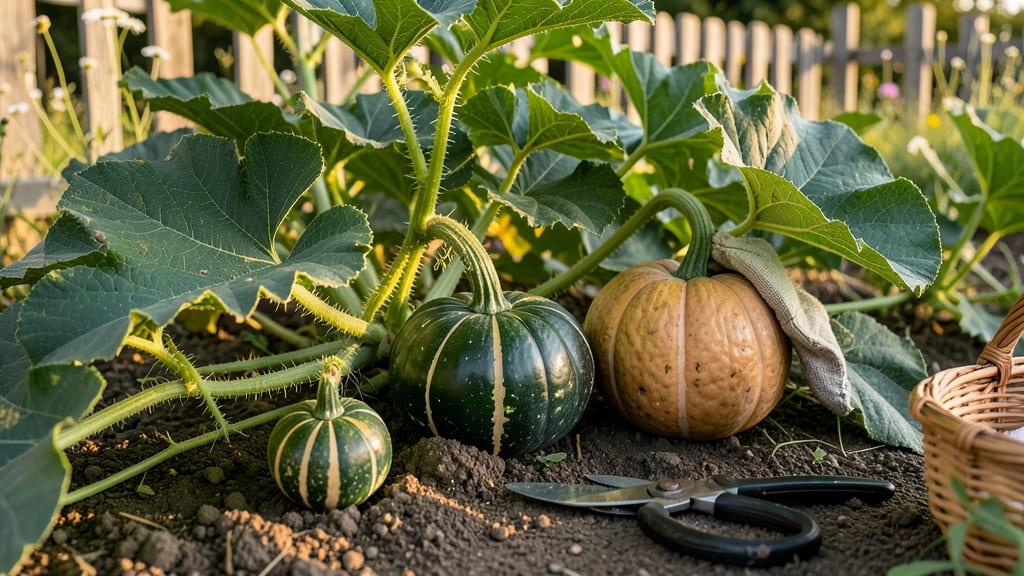
Knowing how to know when to pick acorn squash can make the difference between a sweet, flavorful harvest and one that’s tough or underripe. That 🎃 on the vine might look ready, but if you pull it too soon, you’ll miss out on its peak taste and texture.
Most gardeners in USDA Zone 6a wait until late September or October, but ripeness isn’t just about the calendar—it’s about the squash itself. The key is watching for three telltale signs: a deep, even color, a dry stem, and a hollow sound when tapped.
Skip these cues, and you might end up with squash that’s still hard or stringy.
In this guide, I’ll break down the exact visual and tactile clues to spot perfectly ripe acorn squash every time. Whether you’re a first-time grower or a seasoned gardener, these foolproof methods will help you harvest at the perfect moment—so you can enjoy that rich, nutty flavor all season long.
Once you’ve mastered the art of picking, I’ll also share simple storage tips to keep your harvest fresh for weeks. No more guesswork—just delicious, homegrown squash ready for your kitchen!
3 Visual cues to identify perfectly ripe acorn squash
Acorn squash reaches peak sweetness when harvested at the right time—but spotting those subtle clues can be challenging. The color, stem condition, and skin texture all shift dramatically as the fruit matures.
Ignoring these visual signals often leads to underripe squash with bland flavor or overripe ones that spoil quickly. Let’s break down the three foolproof indicators that guarantee a perfect harvest.
First, focus on the skin color. Ripe acorn squash develops a deep, matte tan or golden hue across its entire surface. Younger squash may still show patches of green or pale yellow, while overripe ones develop dull, grayish-brown spots.
This color change signals that the squash’s natural sugars have fully developed, ensuring that sweet, nutty flavor you crave.
The stem is your second clue. A ripe acorn squash’s stem will dry out and shrivel, often turning brown and brittle. If the stem is still green and firm, the squash needs more time on the vine.
Conversely, if the stem detaches easily or rots, the squash is past its prime. This simple test saves you from harvesting too early or too late.
Finally, examine the skin texture. Press your fingernail into the squash’s rind—if it doesn’t puncture easily and leaves no mark, it’s ready. Soft spots or a rind that gives way under pressure mean the squash isn’t fully matured.
A hard, thick rind also protects the flesh from bruising during storage.
| Indicator | Ripe Acorn Squash | Underripe | Overripe |
|---|---|---|---|
| Skin Color | Deep tan or golden | Pale yellow/green patches | Dull gray/brown spots |
| Stem Condition | Dry, shriveled, brown | Green, firm, fresh | Rotted or detached |
| Skin Texture | Hard, thick rind | Soft, punctures easily | Leathery or cracked |
Pro tip: Combine these visual cues for accuracy. For example, a squash with a deep tan color but a green stem likely needs a few more days on the vine.
Conversely, a squash with a dry stem and hard rind but dull color might still be worth harvesting—just store it in a cool, dark place to finish ripening.
Timing matters too. In cooler climates, acorn squash typically ripens between late September and October, while in warmer regions, harvest can start as early as mid-September. Watching for these visual cues ensures you don’t miss the window, especially if early frosts threaten your garden.
One common mistake is assuming all squash ripen at the same rate. Smaller varieties may mature faster than larger ones, so check each squash individually. If you’re growing multiple plants, prioritize harvesting the ones showing the most ripe indicators first to avoid overripening.
Once you’ve identified the perfect squash, handle it with care. Use a sharp knife or pruners to cut the stem, leaving a 1-inch stem attachment to prolong shelf life.
Avoid dropping or bruising the squash, as damage speeds up spoilage. With these visual cues mastered, you’ll never second-guess your harvest again!
🎃
3 Visual cues to identify perfectly ripe acorn squash
Acorn squash reaches peak flavor when harvested at the right moment—not too early, not too late. The first clue is its skin color, which shifts from pale green to a rich tan or golden hue.
Look for a consistent color across the entire squash, avoiding any green patches that signal immaturity.
Next, examine the stem. A ripe acorn squash will have a dry, shriveled stem that’s browned at the base. If the stem is still green and plump, the squash needs more time on the vine. This change happens naturally as the plant redirects nutrients to the fruit.
Finally, check the rind hardness. Press your fingernail into the skin—if it doesn’t puncture easily, the squash is ready. A soft rind means it’s underripe, while a squishy feel suggests overripeness. Combine these three visual cues for foolproof results.
Pro tip: Harvest on a dry, sunny morning to prevent rot. Use a sharp knife or pruning shears to cut the stem, leaving a 1-inch attachment to extend shelf life. Avoid dragging squash—handle gently to prevent bruising.
If you miss the perfect window, don’t panic. Acorn squash can ripen off the vine in a cool, dry place, but flavor peaks at harvest. Store in a cool, dark spot (50–55°F) for up to 3 months. 🎃