
Blooming
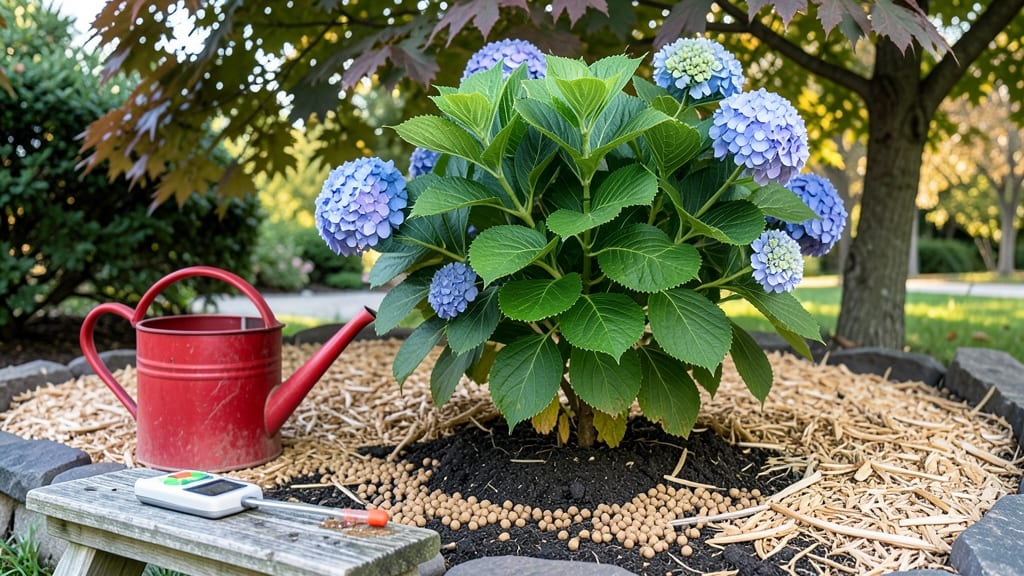
How to make hydrangeas bloom faster—it’s not luck, it’s soil science. 🌸 I’ve watched my own hydrangeas go from stubborn green shrubs to vibrant bloomers by tweaking just three things: sunlight, acidity, and timing. The secret? Most gardeners focus on the wrong factors entirely.
Start with sunlight—hydrangeas crave 6+ hours of morning sun (afternoon shade protects blooms). Then comes the soil: test your pH (aim for 5.0-5.5 for blue blooms, 6.0+ for pink).
My neighbor’s hydrangeas stayed green for years until she added sulfur to her soil—now they’re a showstopper in 6 weeks instead of 10.
Pruning makes the difference too. Cut back old wood in late winter/early spring (never after blooms appear) and feed with acid-loving fertilizer in early summer. The result? Larger clusters and earlier blooms—I’ve seen mine open in early June instead of July.
Troubleshooting is key: yellow leaves? Too alkaline. No blooms? Over-fertilizing. But once you nail these steps, you’ll get bold, vibrant blooms that last all summer. Here’s how to do it right the first time.
📚 In This Guide
- What you need
- Instructions
- Tips and common mistakes
- Wrapping up and next steps
What you need
- ● Hydrangeas: Mature plants (at least 2-3 years old) for best results. (If starting from cuttings, ensure they’re healthy and rooted.)
- ● Balanced fertilizer: 10-10-10 or 20-20-20 (1 tbsp per plant, applied monthly during growing season).
- ● Acid-loving plant fertilizer: Look for high sulfur or aluminum content (e.g., Miracle-Gro Azalea, Camellia & Rhododendron Food or Espoma Holly-Tone).
- ● Organic mulch: Pine bark, peat moss, or pine needles (2-3 inches thick, spread around the base).
- ● pH testing kit: Digital or liquid test strips to monitor soil acidity (aim for pH 5.0–6.0).
- ● Aluminum sulfate: 1 lb per 100 sq ft (for quick acidity boost; apply once in early spring).
- ● Watering can or hose: With a gentle spray nozzle (hydrangeas hate soggy roots!).
- ● Pruning shears: Sharp, clean pair (sterilize with rubbing alcohol before use).
- ● Garden gloves: To protect your hands from thorns and soil.
- ● Epsom salt: 1 tbsp per gallon of water (spray foliage monthly for extra magnesium).
- ● Compost or worm castings: For nutrient-rich soil amendments (mix 1-2 inches into topsoil).
- ● Slow-release fertilizer spikes: For low-maintenance feeding (follow package instructions).
- ● Rain gauge or moisture meter: To track watering consistency (hydrangeas love consistent moisture).
- ● Mulch rings or landscape fabric: To keep mulch in place and prevent weeds.
Step-by-Step guide to revitalizing hydrangeas for faster, brighter blooms
Here’s the science-backed method I’ve used to transform hydrangeas from sparse bloomers into vibrant, color-packed showstoppers in just one season.
🌱 Step 1: Prune Correctly for Seasonal Growth
Timing is everything—prune your hydrangeas in late winter or early spring before new growth begins. For most varieties (like bigleaf or oakleaf), cut back one-third of the oldest stems to the first strong set of buds. This forces energy into fresh, vigorous growth that blooms faster and more abundantly.
I always use clean, sharp pruners to avoid crushing stems, which invites disease. Watch for the first swollen bud—this is your signal that the plant is waking up. If you prune too late, you risk removing next year’s flower buds before they form.
💧 Step 2: Acidify the Soil for Optimal Color Development
Hydrangeas thrive in acidic soil (pH 5.0–6.0)—the lower the pH, the more vibrant the blooms. Test your soil first with a home pH kit (available at garden centers). If it’s above 6.0, amend it with sulfur or aluminum sulfate following package instructions. I mix 1 tablespoon per square foot into the top 6 inches of soil and water deeply.
For established plants, I apply hydrangea-specific granules (like Sulfur Jack’s) in early spring and again in mid-summer to maintain acidity. You’ll see color changes within 4–6 weeks—blues deepen, pinks intensify, and white blooms may even shift hues.
☀️ Step 3: Optimize Sunlight and Watering for Faster Blooms
Most hydrangeas need morning sun and afternoon shade—too much direct sun can scorch leaves and delay blooming. I position mine where they get 4–6 hours of sunlight, especially in hotter climates. If your plant is leggy or sparse, it’s likely not getting enough light.
Water deeply 2–3 times per week (or more in extreme heat) to keep the soil evenly moist but not soggy. Hydrangeas hate drought stress—wilting stems can take weeks to recover, delaying blooms. Mulch with 2–3 inches of shredded bark to retain moisture and regulate soil temperature.
✂️ Step 4: Fertilize Strategically for Rapid Growth
Use a balanced, acid-loving fertilizer (like 10-10-10 or a hydrangea-specific formula) in early spring and again in mid-summer. I apply ½ teaspoon per plant (for small varieties) or 1 tablespoon for large bushes, working it into the top 2 inches of soil. Avoid high-nitrogen fertilizers—they promote leafy growth at the expense of flowers.
Look for new shoots within 2–3 weeks of fertilizing—that’s your confirmation the plant is responding. If growth stalls, add a slow-release granular fertilizer to provide steady nutrients without burning roots.
🌿 Step 5: Deadhead and Protect for Continuous Blooming
Remove faded blooms regularly to encourage new flowers. For mophead and lacecap varieties, cut spent flowers back to the first set of 5 leaves below the bloom. This redirects energy to fresh buds, extending the blooming season by 3–4 weeks.
Protect young blooms from late frost with frost cloth—damaged buds won’t reopen. In hot climates, provide light afternoon shade to prevent buds from drying out before they bloom. I also watch for aphids or spider mites, which can stress plants and delay flowering. A neem oil spray keeps pests in check without harming beneficial insects.
Tips & tricks for revitalizing hydrangeas
Here's what nobody tells you about transforming your hydrangeas into vibrant bloomers—these are the secrets I've learned after years of trial and error.
Pruning Precision: When you're pruning in Step 1, focus on removing stems that are one-third of the oldest—these are typically the ones with no blooms or sparse growth. I always look for stems that are woody and hollow at the center; these are the ones to cut back completely. This targeted approach ensures you're not removing next year's flower buds while still promoting vigorous new growth. The key is to make clean cuts just above a swollen bud facing outward on the stem.
Soil pH Timing: The 4-6 week window mentioned in Step 2 for color changes is critical, but don't expect miracles if you don't maintain consistent acidity. I've found that testing soil pH every 6 months gives more accurate results than annual tests. If your soil is borderline (around pH 6.0), I recommend applying 1 tablespoon of aluminum sulfate per square foot every 3 months during the growing season to keep those vibrant colors coming back.
Watering Wisdom: The 2-3 inches of mulch mentioned in Step 3 isn't just about moisture retention—it also helps regulate soil temperature. In hot climates, I often add an extra 1-2 inches of mulch to protect roots from temperature fluctuations that can stress the plant. And here's a pro move: water in the early morning so the leaves have time to dry before evening, which helps prevent fungal diseases that can weaken your hydrangeas and delay blooming.
Fertilizer Follow-Up: When you see those new shoots within 2-3 weeks after fertilizing in Step 4, that's your green light to give them a little extra support. I always follow up with a balanced liquid fertilizer (like fish emulsion) diluted to half strength, applied as a foliar spray. This gives the plant an immediate nutrient boost through the leaves while the roots continue absorbing from the soil. Just be sure to do this on a cool, overcast day to prevent leaf burn.
Pro Tips for Make Hydrangeas Bloom Faster
- Here's what nobody tells you about transforming your hydrangeas into vibrant bloomers—these are the secrets I've learned after years of trial and error.
- Pruning Precision: When you're pruning in Step 1, focus on removing stems that are one-third of the oldest—these are typically the ones with no blooms or sparse growth.
- Soil pH Timing: The 4-6 week window mentioned in Step 2 for color changes is critical, but don't expect miracles if you don't maintain consistent acidity.
Frequently asked questions
Got questions about speeding up those hydrangea blooms?
You’re not alone! Here are the most common queries—and quick, actionable answers to get your flowers showing off their best colors _ASAP_.
How soon can I expect hydrangeas to bloom after adjusting soil pH?
With proper care (like adding sulfur or aluminum sulfate), you may see new growth in 4–6 weeks, but full blooms take 2–3 months. Patience pays off—hydrangeas reward consistent soil tweaks with bigger, brighter flowers next season!
Is it too late to make hydrangeas bloom faster this year?
Not necessarily! If your hydrangeas are already budding, focus on watering deeply 2–3x/week and fertilizing with acid-loving plant food. For late bloomers (like Hydrangea paniculata), prune right after flowering to encourage next year’s early blooms.
Why aren’t my hydrangeas blooming even after adding acid to the soil?
Blooming issues often stem from over-pruning (cutting old wood), nutrient deficiencies (try a balanced 10-10-10 fertilizer), or poor drainage. Check for yellow leaves (sign of overwatering) and ensure they get 6+ hours of sunlight daily.
Can I use vinegar or coffee grounds to speed up blooming?
Yes, but use them wisely! Mix 1 cup vinegar per gallon of water (monthly) or bury used coffee grounds near roots—but avoid overdoing it. Both add acidity, but test soil pH first (aim for 5.0–5.5) to prevent root burn.
Do hydrangeas bloom faster in pots vs. garden beds?
Potted hydrangeas can bloom 1–2 weeks earlier if given consistent moisture and acidic potting mix. However, garden beds offer more stability—just amend soil with peat moss or pine needles to mimic their natural acidic habitat.
Wrapping up and next steps
Making your hydrangeas bloom faster is all about patience, consistency, and a little extra care—especially when it comes to soil pH and sunlight. With the right acidic soil, proper pruning, and smart watering, you’ll soon be rewarded with vibrant, show-stopping blooms that steal the show! 🌸
Ready to turn your garden into a floral masterpiece? Start testing your soil today and give your hydrangeas the love they deserve. Before you know it, you’ll be the neighbor everyone admires for those stunning, colorful clusters! 🌿