
Size
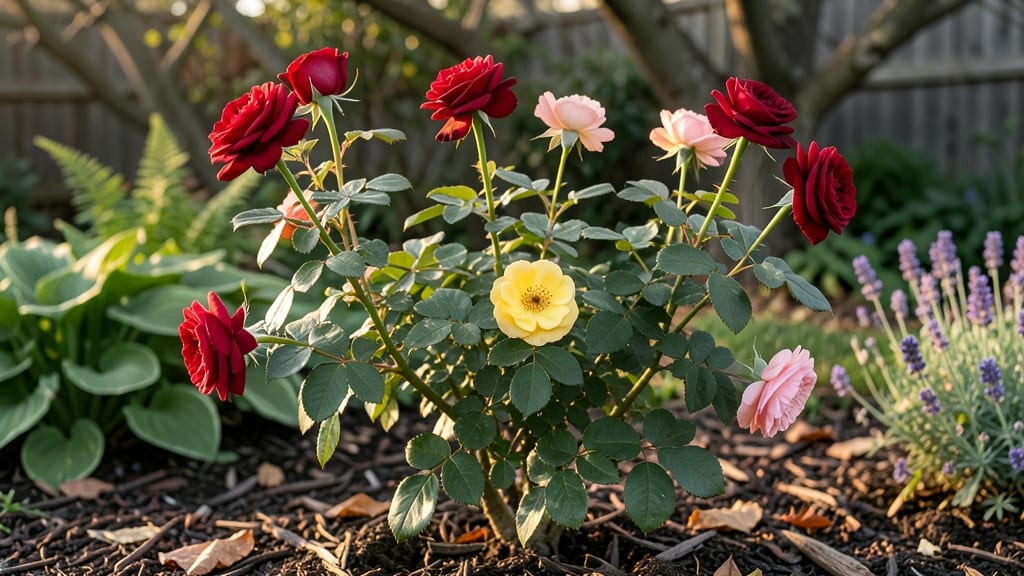
How to make roses grow into the showstopper bushes your neighbors envy starts with sunlight and soil—two often-overlooked secrets that turn leggy, half-hearted plants into vibrant, repeat-blooming giants. I’ve watched bare-root stakes transform into lush, fragrant bushes by fixing just three things: light exposure, drainage, and feeding. The trick isn’t expensive tools—it’s understanding what roses actually need to thrive, not just survive.
Start with 6+ hours of direct sun daily—no compromise—and amend heavy clay soil with compost until it crumbles like cake. My first roses flopped because I ignored this step; now they reward me with blooms from May through frost.
Water deeply but infrequently—1-2 inches per week—and mulch to keep roots cool. The right variety matters too: disease-resistant hybrids like ‘Knock Out’ or ‘David Austin’ English roses need half the fuss.
By summer’s end, you’ll have roses that outperform store-bought plants—disease-free, fragrant, and covered in blooms. Prune strategically in early spring (cut back by ⅓) and deadhead regularly to encourage more flowers.
The payoff? A garden center can’t compete with roses you’ve nurtured from bare-root stakes to full-sized bushes. Here’s exactly how to get there without the guesswork.
Works for climates from Zone 4 to Zone 9, whether you’re planting in-ground or containers. Let’s turn those bare stems into a showstopper before you know it.
📚 In This Guide
- What you need
- Instructions
- Tips and common mistakes
- Wrapping up and next steps
What you need
- ● Rose plants: Choose bare-root roses (dormant, without soil) or potted roses. For beginners, hybrid teas or floribundas are great picks!
- ● Well-draining soil: A mix of 60% topsoil, 30% compost, and 10% perlite or sand (1 cubic yard per 3-4 plants).
- ● Organic fertilizer: 10-10-10 or 5-10-10 NPK ratio (1 lb per plant, applied in early spring).
- ● Mulch: 2-3 inches of wood chips or straw to retain moisture and suppress weeds.
- ● Watering can or hose: With a gentle spray nozzle (1-2 gallons per plant, 2-3 times per week).
- ● Garden trowel or shovel (for planting and soil prep).
- ● Pruning shears (sharp, bypass-style for clean cuts).
- ● Gloves (heavy-duty, to protect from thorns).
- ● Measuring tape or ruler (to space plants 2-3 feet apart).
- ● Stakes or trellis (for climbing roses, 6-foot wooden stakes).
- ● Epsom salt (1 tbsp per gallon of water, monthly for magnesium boost).
- ● Rose-specific fungicide (to prevent black spot or powdery mildew).
- ● Drip irrigation system (for consistent watering, ¼-inch tubing).
- ● Compost tea (homemade or store-bought, for nutrient-rich watering).
Step-by-step guide to encouraging lush rose growth
Here’s the method I’ve used to coax bold blooms from roses year after year—focus on these core elements.
☀️ Step 1: Position for Maximum Sunlight Exposure
Roses demand at least 6 hours of direct sunlight daily, but full sun (8+ hours) produces the most dramatic blooms. I always choose the sunniest spot in my garden—even a few hours of shade can lead to weak stems and sparse flowers. South-facing walls or fences work best, as they capture morning and afternoon light.
Watch for leggy growth—when stems stretch excessively toward the light—this means your roses aren’t getting enough intensity. If you’re planting in containers, rotate them quarter-turn weekly so all sides receive even exposure. You’ll notice stronger stems and fuller blooms within a few weeks of proper positioning.
🌱 Step 2: Amend Soil for Optimal Drainage and Nutrition
Roses hate soggy roots, so loosen the soil to a depth of 12 inches before planting. I mix in compost or aged manure (about 2-3 inches worked into the top layer) to improve fertility without compacting the soil. For heavy clay, blend in sand or perlite to create a crumbly texture—roses need aerated roots to thrive.
Test your soil’s pH—roses prefer slightly acidic to neutral (6.0–7.0). If your soil is too alkaline, add sulfur or peat moss to adjust. You’ll see healthier foliage and more abundant blooms once the roots have access to the right nutrients and drainage.
💧 Step 3: Water Deeply and Consistently
Roses need 1–1.5 inches of water per week, but shallow watering encourages weak roots. I water deeply at the base (about 6 inches down) 2–3 times per week rather than daily sprinkling. Use a soaker hose or drip irrigation to keep moisture even—this prevents fungal diseases that thrive in wet foliage.
Check moisture by digging 2 inches down—if the soil feels dry, it’s time to water. Overhead watering in the evening can promote mildew, so aim for morning sessions when leaves have time to dry. You’ll know you’re doing it right when the soil stays consistently moist but never waterlogged.
✂️ Step 4: Prune Strategically for Airflow and Flower Production
Prune roses in early spring (just as new growth begins) to remove dead, crossing, or weak branches. Cut just above an outward-facing bud at a 45-degree angle to encourage new growth. I never trim more than one-third of the plant at once—this prevents stress and ensures energy goes to blooms, not recovery.
Deadhead spent blooms regularly to redirect the plant’s energy into new flowers. You’ll see a surge in blooming within weeks if you keep up with this step. Avoid heavy pruning in late summer—it disrupts the plant’s ability to harden off for winter.
🌿 Step 5: Fertilize for Continuous Blooming
Feed roses every 4–6 weeks during the growing season with a balanced fertilizer (10-10-10) or a rose-specific formula. I apply half the recommended dose at planting, then switch to a low-nitrogen, high-phosphorus blend once blooming begins to encourage more flowers. Always water deeply after fertilizing to prevent root burn.
Organic options like fish emulsion or compost tea work well too—just follow package instructions for application rates. You’ll notice darker green leaves and more buds within a few feedings if the roses are getting the right nutrients.
Tips & tricks for thriving rose gardens
These insights will help you transform your rose care routine from good to spectacular—focus on the details that make the biggest difference.
Sunlight Strategy: If your roses aren't getting the full 8 hours of sunlight they crave, consider installing a reflective surface like white gravel or a light-colored wall nearby. This can bounce an extra 1-2 hours of light onto your plants, especially helpful in north-facing gardens. I've seen roses in partial shade areas nearly double their bloom production after adding reflective mulch—just be sure to maintain that 6-hour minimum.
Soil Preparation Insight: When amending your soil with compost or aged manure (that 2-3 inch layer), mix it into the top 6 inches—not just the surface. This creates a nutrient-rich zone where roots will naturally seek out moisture and food. For container roses, use a blend of 60% potting soil, 20% perlite, and 20% compost for perfect drainage while maintaining fertility.
Watering Precision: The 2-3 times weekly watering schedule works best when you check soil moisture at the 2-inch depth mark. I carry a small trowel and dig a quick test hole—this is more reliable than sticking your finger in. For newly planted roses, water immediately after planting to eliminate air pockets, then maintain that deep watering routine to establish strong root systems.
Pruning Technique: When making those 45-degree cuts just above outward-facing buds, aim for the bud that's positioned where you want new growth to emerge. This targeted approach prevents over-pruning and creates a more open plant structure that allows better airflow. I mark my cuts with a pencil before making them to ensure I'm cutting in the right direction every time.
Pro Tips for Make Roses Grow
- These insights will help you transform your rose care routine from good to spectacular—focus on the details that make the biggest difference.
- Sunlight Strategy: If your roses aren't getting the full 8 hours of sunlight they crave, consider installing a reflective surface like white gravel or a light-colored wall nearby.
- Soil Preparation Insight: When amending your soil with compost or aged manure (that 2-3 inch layer), mix it into the top 6 inches—not just the surface.
Frequently asked questions
Got questions about growing roses?
You’re not alone—even expert gardeners have their fair share! Here are answers to the most common concerns to help you cultivate stunning blooms with confidence.
How often should I water my roses?
Roses need consistent moisture—about 1–1.5 inches of water per week, either from rain or manual watering. Water deeply at the base (not the leaves!) in the early morning to prevent fungal issues. Mulch helps retain moisture, reducing the need for daily checks. Overwatering is worse than underwatering!
When is the best time to plant roses?
The ideal window is late fall or early spring, when soil is workable but not frozen. For bare-root roses, plant as soon as they arrive (don’t let roots dry out!). If planting in summer, choose cool, overcast days and water thoroughly afterward to reduce transplant shock.
Can I grow roses in containers?
Use a large pot (at least 15–20 gallons) with drainage holes and a mix of potting soil, compost, and perlite. Dwarf or patio roses thrive in containers. Place them in full sun (6+ hours/day) and fertilize monthly during growing season. Bonus: Container roses are easier to protect from pests!
Why are my rose leaves turning yellow?
Yellow leaves often signal overwatering, nutrient deficiency, or disease. Check the soil—it should be damp but not soggy. If the yellowing starts at the bottom leaves, it’s likely overwatering or poor drainage. Fungal issues (like black spot) cause yellow spots with black edges—prune infected leaves and apply neem oil or fungicide.
Do roses need winter protection?
In USDA Zones 5–7, mound mulch or soil around the base (up to the graft union) to insulate roots. For tender varieties, wrap canes loosely with burlap or use rose cones. In Zone 8+, minimal protection is needed—just remove dead foliage and mulch lightly. Pro tip: Avoid heavy mulch in spring until new growth appears!
Wrapping up and next steps
Growing roses is all about patience, the right conditions, and a little love—just like nurturing any beautiful garden treasure! 🌹 With the perfect balance of sunlight, well-draining soil, and consistent care, you’ll soon be rewarded with vibrant blooms that’ll make your neighbors green with envy.
Remember, every expert gardener started with a single cutting, so don’t hesitate to roll up those sleeves and get planting!
Ready to watch your roses thrive? Start small: pick one bush or pot to experiment with, and once you see those first buds open, you’ll be hooked! Happy gardening—your future rose garden is waiting! 🌱