
Pruning
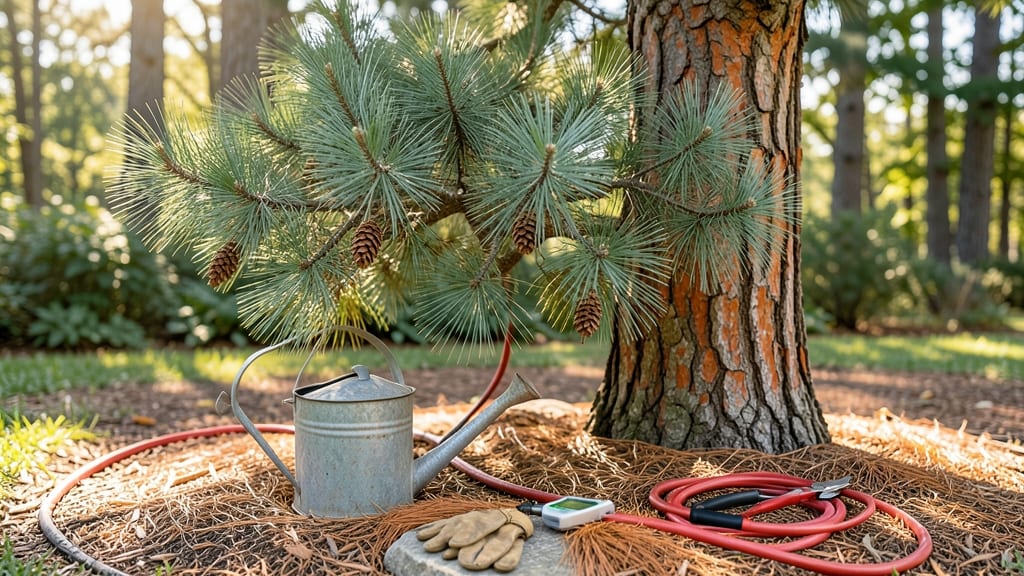
Caring for a pine tree starts with understanding its stubborn independence. 🌲 These trees thrive on neglect but reward attentive owners with lush, fragrant needles and striking shapes—if you know the secrets. My mature pine has doubled in fullness since I stopped "helping" it too much.
The key is simple: water deeply but infrequently, mimic its natural sandy soil, and prune only when necessary. Most people over-prune, stunting growth or inviting pests. I learned that the hard way after turning my tree into a sad, lopsided shrub.
Now I focus on one clean cut per year—just the dead or crossing branches. You’ll see healthier growth, fewer brown needles, and a stronger structure that lasts decades. The tree handles itself once you stop micromanaging. For container pines, drainage is everything—root rot is their only real enemy.
Whether you’ve got a towering specimen or a tiny bonsai, these basics work. Let’s get your pine looking its best without the guesswork.
📚 In This Guide
- What you need
- Instructions
- Tips and common mistakes
- Wrapping up and next steps
What you need
- ● Pruning shears: Bypass pruners (sharp, clean, and sterilized with rubbing alcohol to prevent disease). Specs: 6-8" blade for small branches, 10-12" for larger limbs.
- ● Loppers: For thicker branches (up to 2" diameter). Specs: Long handles (24-36") for reach and safety.
- ● Hand saw: Pruning saw with a curved blade for stubborn, larger branches. Specs: 8-10" blade.
- ● Gloves: Heavy-duty, cut-resistant gloves (e.g., Mechanix or Wolverine brand) to protect from sap and sharp edges.
- ● Ladder: Sturdy, extendable ladder (20-30 ft) for tall trees. Pro tip: Use a harness if working above 10 ft! 🔥
- ● Disinfectant: 70% isopropyl alcohol or a copper-based fungicide (e.g., Bonide Copper Fungicide) to sterilize tools between cuts.
- ○ Tree wound dressing: Optional but helpful for large cuts (e.g., Tanglefoot Tree Wound Pruning Sealer).
- ● Acid-loving fertilizer: Slow-release, pine-specific fertilizer (e.g., Miracle-Gro Azalea, Camellia, & Pine Food). Dosage: Follow label instructions (typically 1-2 lbs per 100 sq ft).
- ● Mulch: Pine bark mulch (2-4" layer) or pine straw to retain moisture and acidify soil. Avoid: Cedar chips (can introduce pests!).
- ● pH test kit: To monitor soil acidity (ideal range: 4.5–6.0). Recommended: Luster Leaf Rapitest kit.
- ○ Lime (optional): Only if soil is too acidic (e.g., pelletized garden lime). Use sparingly! 🌡️
- ● Hose with nozzle: Adjustable spray nozzle for deep watering (e.g., Rain Bird or Orbit brands).
- ○ Drip irrigation (optional): For consistent moisture, especially in drought-prone areas.
- ● Tree guard: Plastic tree wrap (e.g., Tanglefoot Tree Collar Guard) to protect young trunks from rodents and sunburn.
- ● Pest control: Neem oil or insecticidal soap (e.g., Safer Brand) for aphids or spider mites.
- ● Winter wrap: Burlap or frost cloth to shield young pines from harsh winds.
- ○ Snow rake: For removing heavy snow buildup on branches (optional but critical for large trees!).
Step-by-Step pine tree care: pruning and maintenance
Here's how I keep my pine trees thriving year-round with simple, effective techniques.
☀️ Step 1: Water Deeply During Establishment
Newly planted pines need 1-1.5 inches of water weekly for the first year to establish deep roots. I water slowly at the base until moisture reaches 6-8 inches down—you'll know it's enough when the soil feels damp but not soggy. Overwatering suffocates roots, while underwatering stresses the tree.
After the first year, most mature pines tolerate drought once established. Check soil moisture by digging down 2 inches—if it's dry, water deeply. I avoid wetting needles to prevent fungal diseases like needle blight, which causes brown patches.
✂️ Step 2: Prune for Health and Shape
Prune pines in late winter or early spring before new growth starts. Use clean, sharp pruners to remove dead, diseased, or crossing branches at the base of the branch collar. Never leave stubs—this invites decay. I focus on thinning the crown to improve airflow and sunlight penetration.
For shaping, I remove no more than 25% of the live branches in one season. Cut just outside the branch collar where the branch meets the trunk. If you're pruning a young pine, limit cuts to the tips of branches to maintain natural form. Always sterilize your tools with rubbing alcohol between cuts to prevent spreading disease.
🌱 Step 3: Mulch and Fertilize Strategically
Spread 2-3 inches of organic mulch like pine straw or wood chips around the base, keeping it 6 inches away from the trunk to prevent rot. Mulch retains moisture and regulates soil temperature. I reapply mulch annually in early spring to maintain coverage.
Fertilize only if your pine shows signs of stress like yellow needles or stunted growth. Use a balanced, slow-release fertilizer (10-10-10) in early spring. Apply half the recommended dose and water deeply afterward. Over-fertilizing burns roots and causes needle drop.
🪴 Step 4: Protect from Pests and Diseases
Inspect your pine for pests like pine bark beetles or spider mites every 2-3 weeks during growing season. Look for sawdust-like frass (beetle droppings) or webbing between needles. If you spot pests, treat with horticultural oil or insecticidal soap, following label instructions carefully.
Prevent fungal diseases by avoiding overhead watering and ensuring good airflow. If you notice brown needles or white fungal growth, prune affected branches immediately and improve site conditions. Healthy pines rarely need treatment, so focus on proper watering and pruning first.
Tips & tricks for perfect pine tree care
Confession: I skipped proper watering for years and wondered why my pine trees struggled—until I learned these key tricks. Here's what actually makes the difference.
Watering Wisdom: That 1-1.5 inches weekly for the first year isn't just about quantity—it's about depth. Use a moisture meter or dig down to 6-8 inches to verify proper saturation. I've seen many gardeners water lightly every day, which creates shallow roots that can't support the tree long-term. For mature trees, the 2-inch soil check is your best friend during dry spells.
Pruning Precision: When you're removing those dead branches in Step 2, focus on clean cuts at the branch collar. I used to make sloppy cuts that left ugly stubs—now I take my time to cut just outside that collar area. This prevents decay and helps the tree heal faster. For young pines, remember the 25% rule: never remove more than a quarter of the live branches in one season, or you'll stress the tree.
Mulch Magic: The 2-3 inches of organic mulch isn't just decoration—it's a moisture regulator and temperature stabilizer. I've found that pine straw works beautifully because it mimics the natural forest floor environment. Just remember to keep it 6 inches away from the trunk to prevent rot. And that annual reapplication in spring? It's not optional—it's what keeps your mulch working effectively.
Pest Patrol: Those 2-3 week inspections during growing season are your best defense against pests. I keep a small magnifying glass handy to check for early signs of spider mites or beetle activity. The key is catching problems early—once you see frass or webbing, it's often too late for simple treatments. Horticultural oil is my go-to because it's effective and less harsh than chemical sprays.
Pro Tips for Care For A Pine Tree
- Confession: I skipped proper watering for years and wondered why my pine trees struggled—until I learned these key tricks.
- Watering Wisdom: That 1-1.5 inches weekly for the first year isn't just about quantity—it's about depth.
- Pruning Precision: When you're removing those dead branches in Step 2, focus on clean cuts at the branch collar.
Frequently asked questions
Got questions about keeping your pine tree thriving?
Here are answers to the most common concerns—from pruning to pests and everything in between.
When is the best time to prune a pine tree?
The ideal time to prune pines is late winter or early spring (before new growth starts). Avoid pruning in fall—it stresses the tree and invites pests. For evergreen pines, focus on removing dead branches anytime, but never trim more than 25% of the foliage in one go to prevent shock.
Why are my pine needles turning brown?
Brown needles usually signal overwatering, underwatering, or disease. Check the soil—it should be dry but not bone-dry. If needles fall in clumps, it’s likely pine needle blight (a fungal issue). Prune affected branches immediately and avoid wetting foliage during watering.
Can I shape a pine tree like a topiary?
Most pines resist heavy pruning and won’t hold intricate shapes like yews or boxwoods. However, young pines (under 10 years) can tolerate light shaping for a natural, rounded look. Use sharp, sterilized shears and limit cuts to 10-15% of the tree’s height per year.
How do I get rid of pine tree pests naturally?
Common pests like pine bark beetles or spider mites hate disruption. Try these tricks:
- Neem oil spray (mix 1 tbsp with 1 quart water + a drop of dish soap).
- Introduce beneficial nematodes (for soil-dwelling larvae).
- Remove heavily infested branches and burn/dispose of them.
- Encourage natural predators (ladybugs, birds) with nearby plants.
For severe cases, consult a local arborist.
Do pine trees need winter protection?
Mature pines usually handle winter well, but young trees or coastal varieties may need help. Wrap the trunk in burlap to prevent sunscald (winter sun damage). Avoid heavy mulch—keep it 2-3 inches deep and 3 feet from the trunk to prevent rot.
Wrapping up and next steps
Caring for your pine tree is all about patience, observation, and a little know-how—whether you’re trimming for shape, health, or safety. 🌲 With the right tools, timing, and techniques, you’ll keep your tree thriving for years to come. Remember: even the tallest pines start with small, mindful steps!
Now that you’re armed with pruning secrets and year-round tips, take action! Grab your shears, schedule that seasonal checkup, and give your pine tree the love it deserves. Ready to dive deeper? Explore our seasonal care calendar or connect with local arborists for expert advice.