
Orchid Care
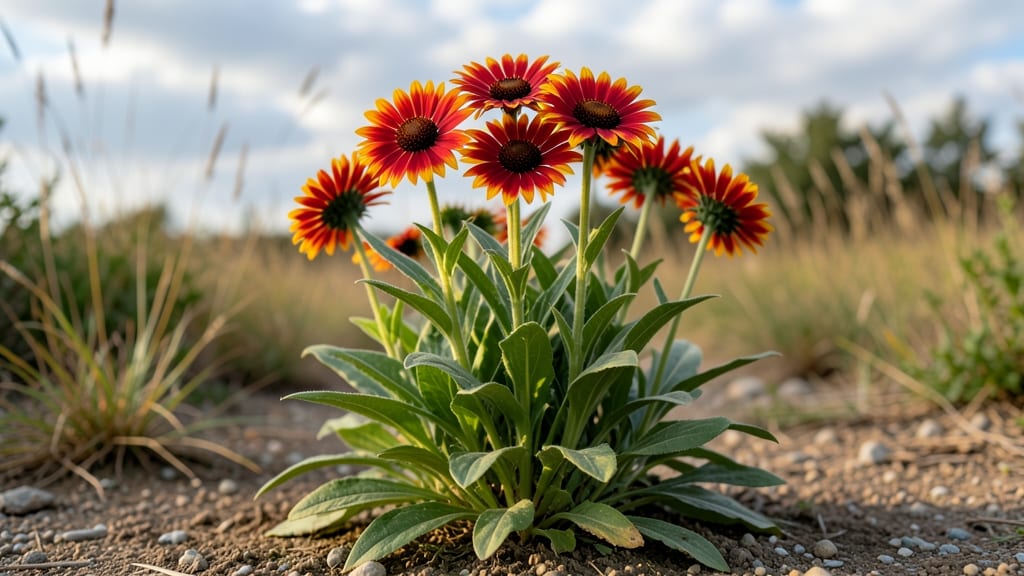
How to care for Gaillardia thrives where others fail—dry, hot spots that make most flowers wilt. 🌻 I've grown these fiery bloomers for years, and they've never complained about heat, drought, or even my occasional forgetfulness. The secret lies in their native toughness and a few simple care habits that keep them flowering like crazy. Start with well-draining soil—Gaillardia hates soggy feet—and plant in full sun where they'll get at least 6-8 hours daily. Water deeply but infrequently; once established, they'll survive on 1 inch of water per week, making them perfect for water-wise gardens. Deadhead spent blooms to encourage nonstop flowers from spring through fall. You'll end up with 3-4 inch daisy-like blooms in fiery reds, yellows, or bicolor mixes that never quit. The plants stay compact (12-18 inches tall), so they work in borders, containers, or even rocky slopes where nothing else survives. Their pest resistance means fewer chemicals and more blooms. For winter, cut back dead foliage in early spring—no special prep needed. Gaillardia often self-seeds, so you might get surprise volunteers popping up next season. Honestly, once you try them, you'll wonder why you didn't plant more sooner.
📚 In This Guide
- What you need
- Instructions
- Tips and common mistakes
- Wrapping up and next steps
What you need
- ● Gaillardia plants: Start with healthy nursery-grown varieties (e.g., Gaillardia pulchella or G. aristata). Choose 6–12 plants for a vibrant border or 1–2 per container for pots.
- ● Well-draining soil: Mix 1 part native soil with 1 part compost and 1 part coarse sand or perlite (for sandy or clay-heavy soils). Aim for a pH of 6.0–7.5.
- ● Sunlight access: Secure a full-sun spot (6+ hours of direct light daily). Partial shade (3–6 hours) works for cooler climates.
- ● Watering can or hose: A 1-gallon watering can or soaker hose for deep, infrequent watering.
- ○ Fertilizer (optional): A balanced, slow-release granular fertilizer (10-10-10 or 5-10-10) or organic compost tea for a nutrient boost.
- ● Pruning shears: Bypass pruners (for clean cuts) to trim dead blooms or leggy stems.
- ○ Gloves: Garden gloves (optional but handy for thorny varieties like G. aristata).
- ○ Mulch (optional): 2–3 inches of organic mulch (straw, pine needles, or shredded bark) to retain moisture and suppress weeds.
- ● Container pots (if potted): 5–7 gallon pots with drainage holes for each plant.
- ● 🌡️ Test your soil—use a soil pH test kit to adjust acidity if needed.
- ● ✨ Deadhead spent blooms regularly to encourage non-stop blooms all season!
- ● 🔥 Skip heavy fertilizers—gaillardia thrives on low nutrients.
Step-by-Step guide to growing thriving gaillardia
Gaillardia thrives with minimal fuss—here’s how to keep those fiery blooms coming back year after year.
🌱 Step 1: Choose the Perfect Location
Gaillardia loves full sun—at least 6-8 hours daily—but tolerates light shade in hotter climates. I always plant mine where they’ll get morning sun and afternoon shade if temperatures exceed 90°F. The soil should drain well; if your yard holds water, amend with sand or grit to improve drainage.
Watch for compacted soil—press your finger into the ground. If it feels hard or sticky, mix in compost to loosen it. Gaillardia roots need air, not soggy conditions. Plant in spring after the last frost or in early fall for a second flush of blooms.
💧 Step 2: Water Deeply but Infrequently
Once established, gaillardia is drought-tolerant, but young plants need consistent moisture. Water deeply once a week during the first growing season, soaking the soil 6 inches down. You’ll know it’s right when water runs out the drainage holes—no puddles, just thorough saturation.
After the first year, cut back to watering every 2-3 weeks unless your region sees no rain for 4+ weeks. Overwatering causes root rot, and gaillardia won’t forgive soggy feet. If leaves yellow, that’s your cue to let the soil dry out more between waterings.
☀️ Step 3: Deadhead for Continuous Blooms
Snip spent blooms just above the next set of leaves with clean pruners. I do this every 2-3 days during peak bloom season—it encourages more flowers and keeps the plant bushy. Gaillardia is self-cleaning, but deadheading prevents seed heads from forming too early.
If you want to collect seeds, leave a few spent blooms on the plant. Otherwise, consistent deadheading extends the blooming season from early summer through fall. Just avoid cutting into old wood—always target the green growth below the flower.
✂️ Step 4: Prune Lightly in Late Fall
After the first frost, cut back stems by half to encourage fresh growth in spring. I use bypass pruners for clean cuts, avoiding jagged edges that invite disease. Leave 2-3 inches of stem to protect the crown from cold snaps.
Mulch around the base with 2-3 inches of shredded leaves or straw to insulate roots. Gaillardia is hardy in USDA zones 3-10, but mulching helps it bounce back faster in colder regions. Remove old mulch in early spring to prevent rot.
🌿 Step 5: Divide Every 3-4 Years
Gaillardia forms clumps over time, and dividing keeps it vigorous. Dig up the plant in early spring before new growth starts. Separate the clump into 3-4 inch sections, each with 3-4 stems and roots. Replant immediately in fresh soil.
This is also a great time to refresh the soil—mix in compost to replenish nutrients. Dividing prevents overcrowding, which leads to fewer blooms. If you skip this, you’ll notice smaller flowers and leggy stems after a few years.
Tips & tricks for perfect gaillardia care
Between us, gaillardia's secret to success lies in the details—tiny adjustments that make all the difference between a few sad blooms and a riot of fiery color. Here's what nobody tells you about keeping these plants thriving with almost no effort.
Soil Preparation Secret: Before planting, I always mix in a handful of perlite or coarse sand into the planting hole—this creates instant drainage channels that prevent waterlogging. Gaillardia roots need to breathe, and compacted soil is their worst enemy. The 6-8 hours of sun requirement becomes meaningless if water pools around the roots after rain. Think of it as giving your plants a built-in insurance policy against soggy conditions.
Watering Wisdom: The "deeply once a week" guideline during the first year is non-negotiable, but here's the trick: water in the morning so the foliage has all day to dry. Wet leaves overnight invite fungal problems, especially in humid climates. I use a soaker hose for this—it delivers water right to the roots without disturbing the soil surface. After establishment, that 2-3 week watering schedule becomes even more important because gaillardia's drought tolerance kicks in.
Deadheading Technique: When you're snipping those spent blooms every 2-3 days in Step 3, pay attention to what you're cutting. Always look for the first set of healthy leaves below the flower stem—this is where new blooms will emerge. I keep a pair of sharp pruners in my gardening apron and do this while wearing gloves to avoid thorns. The key is consistency; if you skip even a week, you'll notice fewer blooms forming. Think of it like giving your plant a haircut—regular maintenance keeps it looking its best.
Fall Pruning Insight: That 2-3 inch stem you leave after fall pruning serves a crucial purpose—it protects the crown from freezing temperatures. I've seen many gardeners get overzealous and cut too close, only to have their plants struggle the following spring. The crown is where all new growth originates, so treat it like the heart of your plant. In colder zones (3-6), I add an extra inch of mulch around the base after pruning as an extra precaution against frost heave.
Pro Tips for Care For Gaillardia
- Between us, gaillardia's secret to success lies in the details—tiny adjustments that make all the difference between a few sad blooms and a riot of fiery color.
- Soil Preparation Secret: Before planting, I always mix in a handful of perlite or coarse sand into the planting hole—this creates instant drainage channels that prevent waterlogging.
- Watering Wisdom: The "deeply once a week" guideline during the first year is non-negotiable, but here's the trick: water in the morning so the foliage has all day to dry.
Frequently asked questions
Got questions about keeping your Gaillardia thriving? You’re not alone! Here are answers to the most common queries—from watering woes to pest problems—so you can enjoy those vibrant blooms with confidence.
How often should I water my Gaillardia?
Water Gaillardia deeply but infrequently—about once a week during dry spells, or when the top inch of soil feels dry. Overwatering is the biggest mistake! These drought-resistant beauties thrive on neglect, so let the soil dry out between waterings. Pro tip: Mulch around the base to retain moisture and discourage weeds.
When is the best time to prune Gaillardia?
Prune in early spring (before new growth starts) or after the first frost to tidy up dead foliage. Cut back spent blooms to encourage more flowers, but avoid heavy pruning—Gaillardia reblooms naturally with minimal intervention. Bonus: Deadheading faded flowers extends the blooming season!
What pests or diseases should I watch for?
Gaillardia is tough, but aphids, spider mites, or powdery mildew can still appear. Check the undersides of leaves for pests and hose them off with water. For mildew, improve airflow and avoid overhead watering. Prevention tip: Healthy soil and spacing reduce stress—nature’s best defense!
Can I grow Gaillardia in containers?
Use a well-draining pot with a mix of potting soil and sand or perlite. Choose compact varieties like ‘Arizona Sun’ for containers. Place in full sun and water sparingly. Container hack: Add a slow-release fertilizer at planting for a nutrient boost.
Why aren’t my Gaillardia flowers opening?
Bud blast? Check for these culprits:
- Too much shade: Move to full sun (6+ hours daily).
- Overwatering: Let soil dry out completely between waterings.
- Nutrient deficiency: Feed with a balanced fertilizer in spring.
Wrapping up and next steps
Caring for gaillardia is a breeze—just give these vibrant bloomers the right balance of sun, well-draining soil, and minimal water. With their drought-resistant nature, they’ll reward you with months of colorful flowers while demanding almost no effort.
Whether you’re a seasoned gardener or a beginner, gaillardia proves that beauty and simplicity go hand in hand!
Ready to transform your garden? Grab your seeds or transplants, pick a sunny spot, and let these cheerful blooms do the work—your future self (and pollinators!) will thank you. 🌸💛