
How To
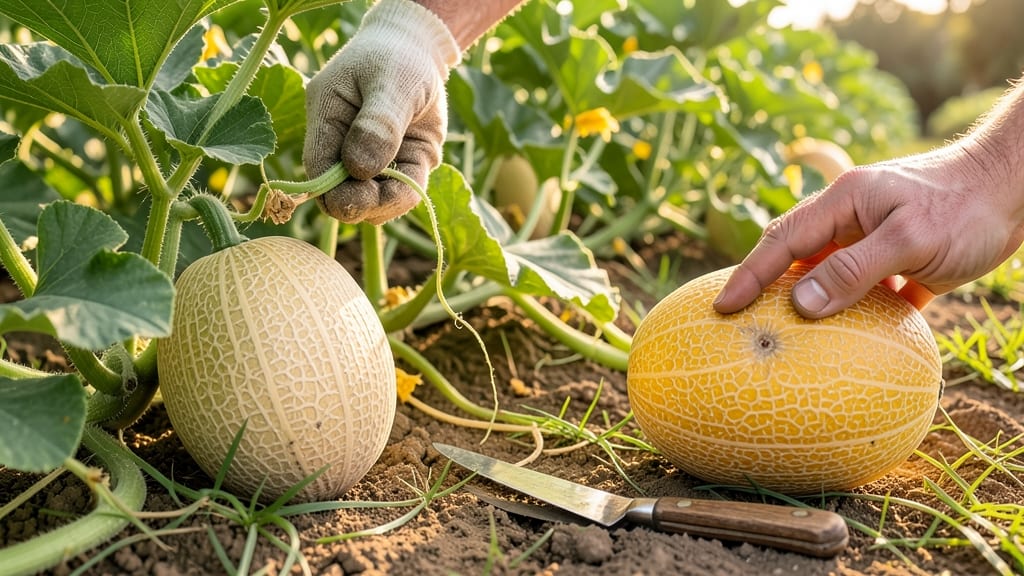
Checking for a ripe cantaloupe can feel like a guessing game—until you know the three sensory tests that reveal the perfect sweetness. That moment when you slice into a juicy, flavorful melon is worth mastering these simple tricks, so you never settle for bland or overripe fruit again.
Most people rely on size or color alone, but those clues often lead to disappointment. The secret lies in combining what you see, smell, and feel—each detail tells a different part of the story.
I’ll walk you through each test so you can confidently pick cantaloupes that burst with flavor every time.
Why does this matter? Because an underripe cantaloupe tastes like nothing, while an overripe one turns to mush. The good news? With just a few seconds of inspection, you’ll spot the perfect one—no more second-guessing at the store or farmers' market. Let’s break down the foolproof method.
First, we’ll tackle the visual cues that scream "ripe," then move to the smell and touch tests that seal the deal. By the end, you’ll be the one everyone asks for advice—because nothing beats the satisfaction of a perfectly ripe 🍈.


The 3 sensory tests to identify a perfectly ripe cantaloupe
There’s nothing worse than biting into a cantaloupe that’s either hard and tasteless or overripe and mushy. The good news? You don’t need a degree in horticulture to tell when a cantaloupe is perfectly ripe.
With these three sensory tests, you’ll master the art of picking cantaloupes that burst with sweet, juicy flavor every time.
Cantaloupes rely on visual cues, aroma, and tactile feedback to signal ripeness. Each test builds on the last, so I recommend checking them in order—starting with the easiest and moving to the most precise.
If one test is inconclusive, the others will confirm whether your cantaloupe is ready for the table.
Let’s start with the visual inspection, which is the quickest way to rule out obviously unripe or overripe fruit. Look for these three key visual signs:
Next, put your nose to work—the smell test is where cantaloupes reveal their true sweetness. A ripe cantaloupe should emit a strong, sweet, musky aroma near the stem. If it smells sour or fermented, it’s overripe. No smell at all? It’s underripe and needs more time on the vine.
Pro tip: Give the cantaloupe a gentle squeeze near the blossom end. A ripe cantaloupe will yield slightly to pressure—like a ripe avocado—but shouldn’t feel mushy. If it’s rock-hard, it’s not ready.
If it’s too soft, it’s past its prime. Think of it as the Goldilocks test: not too hard, not too soft, just right.
Here’s where things get fun: combine all three tests for 100% accuracy. For example, a cantaloupe with a creamy blossom end and sweet smell but still feels firm might need 24 more hours to soften up.
Conversely, if it passes two tests but fails one, trust the majority—your cantaloupe is likely close to perfect.
Remember, cantaloupes don’t ripen further after picking, so don’t wait if you’re unsure. The sooner you test, the sooner you’ll enjoy that perfect slice. And if you’re still unsure? Grab another cantaloupe from your garden or farmers’ market and compare them side by side.
Now that you know how to spot a ripe cantaloupe, let’s talk about what not to do—because even experienced gardeners make these mistakes. Stay tuned for my next section on common pitfalls that lead to picking underripe fruit.
The 3 sensory tests to identify a perfectly ripe cantaloupe
A ripe cantaloupe should be sweet, fragrant, and just firm enough to yield slightly when pressed. The key is combining three simple sensory tests: visual, smell, and touch. These tests work together to eliminate guesswork and ensure you pick a cantaloupe at peak flavor.
Start with the easiest—check the blossom end—where the stem meets the fruit. A ripe cantaloupe’s bottom turns from white to cream or light tan, while the net pattern on the rind becomes more defined and slightly raised.
Next, trust your nose. A ripe cantaloupe releases a sweet, musky aroma near the stem—almost like a mix of honey and melon. If it smells fermented or overly strong, it’s overripe. Pro tip: Give it a gentle sniff near the blossom end first, as this area concentrates the scent.
Skip the smell test if the cantaloupe is still hard, as underripe fruit won’t emit much fragrance at all.
Don’t overlook the touch test, which reveals the cantaloupe’s internal readiness. A ripe cantaloupe feels heavy for its size—almost like it’s too dense to lift easily.
Gently press the side of the fruit with your thumbnail: it should give just a little (like pressing a ripe avocado) but not feel mushy. If it springs back immediately, it’s underripe; if it leaves a dent, it’s overripe.
Also, twist the stem—it should separate cleanly with a slight tug, not snap off or stay stubbornly attached.
For extra confidence, combine all three tests. For example, if the blossom end is cream-colored but the fruit smells sour, it’s past its prime. Conversely, if the rind is still greenish but the stem twists easily, it’s not ready yet.
This multi-sensory approach ensures you avoid the #1 mistake—picking cantaloupes based on size alone, which is unreliable.
Pro gardeners swear by one extra trick: tap the cantaloupe near the blossom end. A ripe one sounds hollow when tapped lightly, like knocking on a wooden door.
If it thuds like a drum, it’s underripe. This acoustic test works surprisingly well and adds another layer of verification to your sensory checks.
Remember, cantaloupes don’t ripen further after picking, so nailing these tests is your ticket to perfect flavor. Store ripe cantaloupes at room temperature for 2–3 days to enjoy their peak sweetness, then refrigerate to slow down spoilage.
Now you’re ready to impress at picnics—or just enjoy a perfectly sweet slice straight from the vine! 🍈