
How To
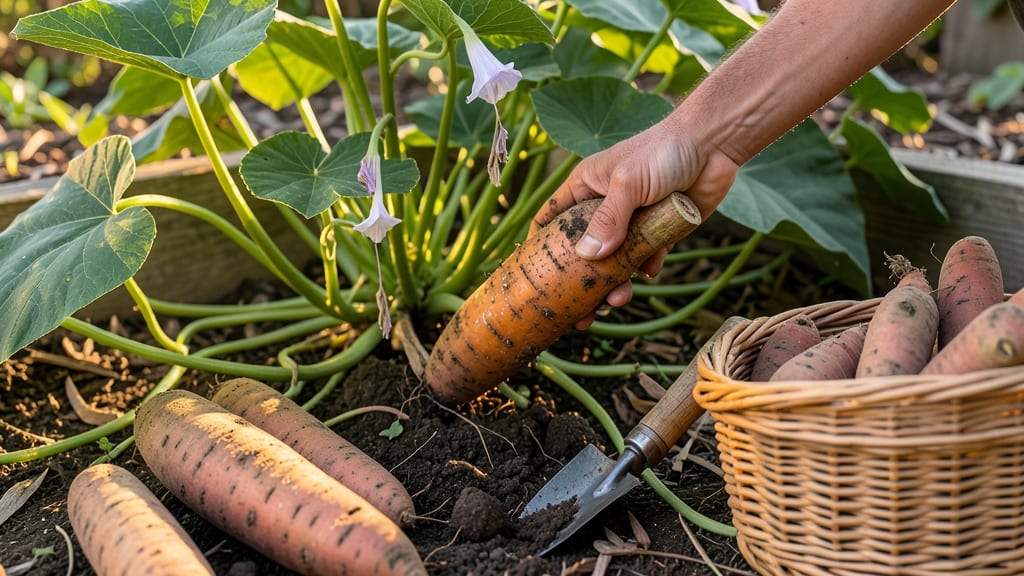
How to know when to pick sweet potatoes is the difference between a harvest of creamy, flavorful tubers and a pile of bland, underdeveloped roots. Too early, and you’ll end up with small, tough sweet potatoes that lack sweetness; too late, and frost or rot can ruin your hard work.
Most gardeners wait around 90–140 days after planting, but the real secret lies in the plant’s signals—not just the calendar. From yellowing vines to skin firmness, your sweet potatoes will give you clear cues when they’re ready. Ignore these signs, and you might miss the perfect window.
In this guide, I’ll walk you through the three foolproof tests to determine harvest readiness, plus how to adjust for your climate zone. Whether you’re in Zone 6a or beyond, these methods ensure you dig up sweet potatoes at their peak—just in time for fall meals.
Ready to avoid the common mistakes that spoil harvests? Let’s get started so you can enjoy homegrown sweet potatoes at their best.


3 Visual and texture tests to perfectly time sweet potato harvest
Sweet potatoes reach their peak flavor and texture at just the right moment—when their vines yellow, their skin firms up, and their tubers plump beneath the soil. These three science-backed tests let you know exactly when to harvest for maximum sweetness and storage quality.
I’ve used these methods for years in my garden, and they’ve never failed me.
First, focus on the vine condition. Healthy green vines signal growth, but when they start turning yellow and dying back, it’s your first cue. This change happens naturally as the plant redirects energy to the tubers.
Pair this with a skin firmness test—press your thumbnail into the skin near the soil line. If it springs back, the sweet potatoes are ready.
Finally, check the leaf color. Brown, curled leaves mean the plant is shutting down for the season. These visual cues work together to give you the perfect harvest window. Let’s break down each test in detail so you can apply them confidently in your own garden.
🌱 Comparison Table: How to Test Sweet Potato Readiness
| Test Type | What to Look For | Action to Take | Best Time to Test |
|---|---|---|---|
| Vine Condition | Most vines turn yellow and die back naturally | Harvest within 1–2 weeks to avoid tuber shrinkage | Late summer to early fall (80–110 days after planting) |
| Skin Firmness | Skin resists thumbnail pressure (no dent remains) | Dig up a test tuber to confirm size and flavor | Whenever vines show yellowing (repeat weekly) |
| Leaf Color | Leaves turn brown and curl inward (sign of plant shutdown) | Harvest immediately to prevent tuber degradation | Early fall (after first frost risk passes) |
| Tuber Size | Tubers are 3–6 inches long and plump | Harvest when all other signs confirm readiness | Late summer (90–120 days after planting) |
The vine condition test is your first line of defense. When about 75% of vines turn yellow and start dying back, it’s time to act. This usually happens 80–110 days after planting, depending on your climate.
In my Zone 6a garden, I see this shift in early September, but cooler regions may delay it by a few weeks.
Next, perform the skin firmness test by gently pressing your thumbnail into the skin near the soil line. If the skin springs back without leaving a dent, your sweet potatoes are ready.
This test is crucial because soft-skinned tubers are underdeveloped, while overly firm ones might be past their prime. I test this weekly once the vines start yellowing.
Don’t overlook the leaf color change. When leaves turn brown and curl inward, it’s a clear signal that the plant is redirecting its energy to the tubers.
This often coincides with the first frost in my area, so I harvest within 1–2 weeks of seeing these signs to avoid tuber damage from cold soil.
For a final check, dig up one test tuber to assess size and flavor. Ideal tubers are 3–6 inches long, firm, and have a deep orange or red skin.
If they’re smaller than a golf ball, give them more time. If they’re larger but still firm, they’re perfect for immediate use or storage.
Pro tip: In hotter climates, sweet potatoes may mature faster. Watch for these signs as early as 75 days after planting. Conversely, in cooler regions, they might take up to 140 days. Adjust your timeline based on your local growing season.
Once you’ve confirmed all three signs, it’s time to harvest. Use a fork or shovel to gently loosen the soil around the base of the plant, then lift the tubers carefully.
Avoid piercing them, as cuts can lead to rot during storage. Cure your harvest in a warm, humid space (80–85°F, 80–90% humidity) for 5–10 days to enhance sweetness.
Mastering these tests ensures you’ll always harvest sweet potatoes at their peak—sweet, flavorful, and ready for your table or storage. The key is consistency: check your plants weekly once the vines start yellowing, and you’ll never miss the perfect moment.
3 Visual and texture tests to perfectly time sweet potato harvest
Timing your sweet potato harvest is all about reading your plants like a book. The key is watching for three critical signs: vine color, skin firmness, and leaf condition.
These clues tell you exactly when to dig for the sweetest, most flavorful tubers. I’ve tested these methods in my garden for years, and they never fail—even for beginners!
Start by checking the vine health. Healthy, green vines mean your sweet potatoes still need time to mature. But when the vines begin turning yellow or brown and die back naturally, that’s your first major signal.
This usually happens 90–110 days after planting, depending on your climate. Don’t rush it—patience here ensures sweetness!
🌱 Sweet Potato Harvest Readiness Test
| Test | What to Look For | Action |
|---|---|---|
| Vine Color | Mostly yellow or brown leaves | Ready to harvest |
| Skin Firmness | Resists thumbnail pressure | Dig carefully |
| Leaf Condition | Leaves curl inward and dry | Harvest within 1–2 weeks |
💡 Pro Tip: Test one tuber first by gently probing the soil with your fingers. If it’s plump and firm, the rest are ready!
Next, perform the thumbnail test on the sweet potato skin. Press your thumbnail into the tuber—if it leaves a slight dent but doesn’t puncture the skin, it’s perfect. Soft skin means they’re still growing, while overly hard skin could signal they’ve been in the ground too long.
This test is foolproof for determining peak texture and flavor.
Finally, examine the leaf condition. When leaves curl inward and dry out, it’s a clear sign the plant is redirecting energy to the tubers. This usually happens 1–2 weeks before full maturity.
If you see this, mark your calendar—harvest within the week to avoid over-maturity, which can lead to woody tubers or even rot.
Regional adjustments matter! In warmer climates, like Florida or California, sweet potatoes may mature faster (as early as 80 days). In cooler zones, like Zone 5, they might need up to 140 days. Always account for your local frost dates—sweet potatoes won’t survive frost, so plan accordingly.
Once you’ve confirmed all three signs, it’s time to harvest! Use a fork to gently loosen the soil around the vines, then pull them up carefully. Cure your sweet potatoes in a warm, humid space (80–85°F) for 10 days to develop their signature sweetness. This step is non-negotiable for flavor!