
Container Gardens
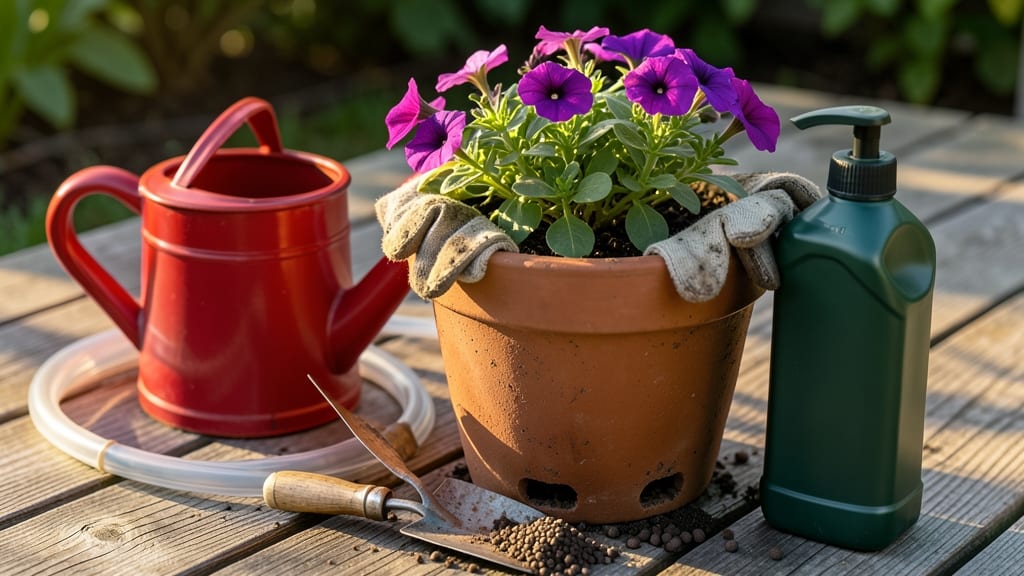
Caring for potted petunias turns your balcony into a riot of color—if you know the secrets. 🌸 I’ve had petunias wilt faster than a sunflower in shade, but after mastering a few key habits, mine now bloom nonstop from spring to frost.
The trick? Weekly pruning, smart watering, and a little extra love when temperatures drop.
Petunias demand 6+ hours of sunlight daily and soil that drains like a sieve—no soggy roots allowed. Feed them every 2 weeks with balanced fertilizer (half-strength), and pinch back dead blooms to encourage more flowers.
Overwatering is their #1 enemy, so let the top inch dry before watering again. My biggest mistake? Skipping the pruning—now I snip spent blooms weekly, and new buds appear in 3-5 days.
Winter slows them down, but don’t toss them! Move pots to a cool, bright spot (50-60°F) and cut watering by half. With proper care, they’ll bounce back in spring like nothing happened.
The payoff? A year-round display of velvety blooms that make neighbors green with envy. Let’s get those petunias thriving!
Pro tip: Rotate pots weekly so all sides get even sun—uneven growth is a dead giveaway for lazy gardeners (me included, until now). And if pests show up?
A soapy water spray does the trick without harsh chemicals. Your petunias will thank you with bold, vibrant blooms that last all season.
📚 In This Guide
- What you need
- Instructions
- Tips and common mistakes
- Wrapping up and next steps
What you need
- ● Potted Petunias: 1–3 healthy plants (choose varieties like 'Wave,' 'Supertunia,' or 'Mitchell' for container gardening).
- ● Well-draining potting mix: 2–3 gallons (look for a blend labeled for flowering plants or container gardens—avoid garden soil!).
- ● Containers: 1–2 pots per plant (minimum 12" diameter for single plants; larger for clusters). Ensure pots have drainage holes!
- ● Pruning shears: 1 pair (sharp, clean, and sterilized to prevent disease).
- ● Watering can or hose with a gentle nozzle: 1 (avoid overhead watering to prevent fungal issues).
- ● Balanced liquid fertilizer: 1 bottle (e.g., 10-10-10 or 20-20-20, diluted to half-strength).
- ○ Mulch (optional but helpful): 1–2 cups of organic mulch (like bark chips or coconut coir) to retain moisture.
- ● Slow-release fertilizer tablets: 1–2 per pot (for steady nutrition between feedings).
- ● Garden gloves: 1 pair (to protect your hands from thorns or soil).
- ● Plant supports (for trailing varieties): 1–2 stakes or a small trellis if your petunias spill over.
- ● pH testing kit: 1 (to check soil acidity—petunias prefer 6.0–7.0).
- ● Compost or worm castings: 1 cup (for a nutrient boost during repotting).
Step-by-Step instructions for thriving potted petunias
Here's how I keep my petunias blooming nonstop—no deadheading drama or leggy stems in sight.
🌱 Step 1: Choose the Right Pot and Soil for Petunias
Start with a pot that has drainage holes—petunias despise soggy roots. I like 8-12 inch containers for each plant, giving them room to spread their roots without becoming root-bound. If your pot lacks drainage, add a 2-inch layer of gravel at the bottom first.
Use a lightweight potting mix with added perlite or vermiculite (about 20% by volume) to improve aeration. Petunias thrive in well-draining, slightly acidic soil (pH 6.0-6.5). Mix in a slow-release fertilizer (like 10-10-10) at planting time—this ensures steady nutrients without burning their delicate roots.
☀️ Step 2: Position for Maximum Sunlight and Airflow
Petunias need 6-8 hours of direct sunlight daily for continuous blooms. A south- or west-facing balcony works best, but if you're in a shadier spot, opt for trailing varieties like 'Wave' or 'Supertunia'—they tolerate 4-6 hours of sun better than bush types.
Here's the thing—airflow matters just as much as sun. Petunias are prone to powdery mildew in stagnant air. Place pots 6-12 inches apart and avoid cramming them together. If you're on a small balcony, rotate the pots weekly so all sides get equal sun exposure. You'll notice blooms stay fuller and stems stay sturdy.
💧 Step 3: Water Deeply and Consistently
Water petunias when the top inch of soil feels dry—stick your finger in to check. Overwatering is the #1 killer, so never let them sit in saucers of water. Instead, water early in the morning at the base, avoiding the foliage to prevent fungal diseases. I use a watering can with a narrow spout to direct moisture right to the roots.
During hot, dry spells, you may need to water daily, but always check the soil first. Petunias wilt quickly when thirsty, but they bounce back fast if the roots aren't waterlogged. If leaves start yellowing, it’s often a sign of overwatering—let the soil dry out more between waterings.
✂️ Step 4: Prune Weekly for Nonstop Blooms
This is the secret to petunias that never quit flowering: prune spent blooms weekly. Use clean, sharp scissors (or your fingers) to pinch off faded flowers right below the next set of leaves. This encourages the plant to redirect energy into new buds instead of seed production.
Don’t just cut the dead bloom—snip the stem back to a leaf node. You’ll see new side shoots sprout within 5-7 days, leading to bushier, fuller plants. If your petunia gets leggy (tall and sparse), cut the main stem back by one-third—it’ll branch out and bloom even harder.
🌿 Step 5: Feed and Protect for Long-Term Health
Every 2-3 weeks, give petunias a liquid fertilizer (like 20-20-20) diluted to half-strength. I mix it into my watering can and apply it in the early morning. This keeps blooms vibrant and prevents nutrient burn from over-fertilizing. Stop feeding in late summer to harden off plants for fall.
Watch for pests like aphids or spider mites—they love petunias. If you spot them, spray with neem oil (mix 1 tbsp per quart of water) or insecticidal soap. For powdery mildew, remove affected leaves immediately and treat with a baking soda spray (1 tsp baking soda + 1 quart water + a drop of dish soap).
Tips & tricks for perfect potted petunia care
These little details make all the difference between petunias that merely survive and ones that thrive with vibrant blooms all season long.
Soil Moisture Mastery: The two-inch dry-soil rule in Step 1 is your golden standard, but here's the secret: use a moisture meter for accuracy, especially in hot climates. I've found that petunias in terracotta pots dry out faster than plastic—water terracotta morning and evening during heatwaves. The key is that drainage hole should always have water running through it during watering, but never leave plants sitting in saucer water longer than 15 minutes. This prevents root rot while ensuring deep hydration.
Light Optimization Strategy: While Step 2 emphasizes 6+ hours of sun, I've discovered that east-facing windowsills actually work better than south-facing for some varieties. Morning sun is gentler and prevents leaf scorch. For containers on patios, use reflective surfaces like white walls or aluminum foil on the north side to bounce extra light onto the plants. And that weekly quarter-turn rotation? Mark your pots with a small dot on the north side to track progress—you'll be amazed how much straighter your plants grow when you maintain this habit.
Pruning Precision: The 7-10 day pruning window in Step 3 gives you flexibility, but here's what nobody tells you: the best time to prune is actually right after watering. The stems are slightly softer then, making clean cuts easier. For stubborn leggy stems, I've had success with a two-step approach—first cut back to 2-3 inches, then wait 3 days before giving a second trim to any remaining stragglers. This two-phase method prevents shock while still encouraging bushier growth. And always sterilize your pruners with rubbing alcohol between cuts to prevent disease spread.
Fertilizer Timing Tactics: That two-week feeding schedule in Step 4 works perfectly, but I've found that switching to a liquid seaweed fertilizer during heatwaves gives an extra boost. The key is to always fertilize in the early morning when temperatures are cooler—this prevents leaf burn. And here's my pro move: mix your fertilizer with water in a spray bottle and lightly mist the soil surface after watering. This mimics natural rainfall and helps prevent salt buildup that can occur with traditional soil application methods.
Pro Tips for Care For Potted Petunias
- These little details make all the difference between petunias that merely survive and ones that thrive with vibrant blooms all season long.
- Soil Moisture Mastery: The two-inch dry-soil rule in Step 1 is your golden standard, but here's the secret: use a moisture meter for accuracy, especially in hot climates.
- Light Optimization Strategy: While Step 2 emphasizes 6+ hours of sun, I've discovered that east-facing windowsills actually work better than south-facing for some varieties.
Frequently asked questions
Got questions about keeping your potted petunias happy and blooming? Here are some of the most common concerns—plus quick fixes to keep your plants thriving!
How often should I water my potted petunias?
Water your petunias when the top inch of soil feels dry—usually every 2–3 days in hot weather, or daily if your pot dries out fast. Pro tip: Use a self-watering pot or mulch the soil to retain moisture. Overwatering can cause root rot, so always check before adding more!
Why are my petunia leaves turning yellow?
Yellow leaves often mean overwatering or nutrient deficiency. Let the soil dry slightly between waterings, and fertilize every 2–4 weeks with a balanced liquid fertilizer (like 10-10-10). If yellowing spreads fast, check for pests like spider mites or fungal issues—prune affected leaves and improve airflow.
When is the best time to prune potted petunias?
Prune after flowering (spring/summer) to encourage bushier growth, but avoid heavy cuts in late summer—new blooms need time to form before fall. Use clean shears to trim spent flowers and leggy stems back by ⅓. Weekly light pruning keeps them compact and blooming all season!
Can I grow petunias in small pots?
Yes! Petunias thrive in 5–7 inch pots if you repot them every 1–2 years. For small pots, use a well-draining mix (like 60% potting soil + 40% perlite) and fertilize weekly with half-strength solution. Dwarf varieties (like ‘Wave’ or ‘Tiny Ttim’) are perfect for tight spaces!
How do I prevent pests like aphids or whiteflies?
Start with healthy soil and avoid overcrowding. Spray plants with neem oil (mix 1 tsp per quart of water) weekly as prevention. For infestations, blast pests off with water or use insecticidal soap. Encourage ladybugs—they’re natural predators!
What should I do if my petunias get too leggy?
Leggy petunias need more light and pruning! Move them to a sunnier spot (6+ hours of light daily) and pinch back tips to encourage branching. Cut stems just above a leaf node, and fertilize lightly to boost regrowth. Avoid heavy pruning—focus on shaping!
Wrapping up and next steps
Caring for potted petunias is all about consistency, love, and a little green thumb patience—and you’ve got this! 🌸 With the right balance of sunlight, water, pruning, and occasional love, your petunias will reward you with vibrant blooms all season long.
Now that you’re armed with these tips, why not take the next step? Experiment with companion plants, try deadheading in the morning for extra freshness, or even share your newfound knowledge with fellow gardeners.
Your petunia patch is just one watering can away from becoming the star of your container garden!