
Succulent
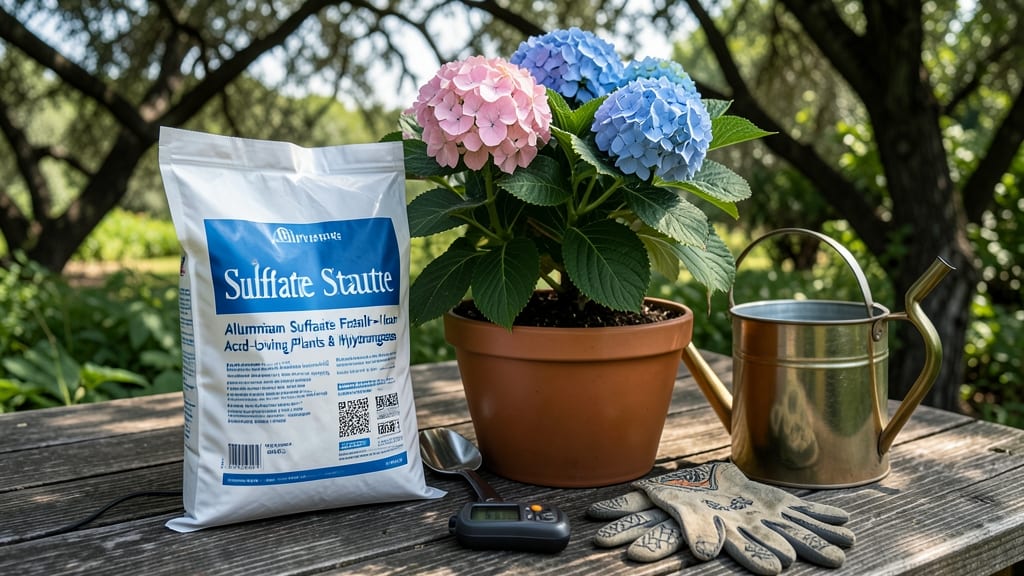
How to change pink hydrangeas to blue with the right soil science. ✨ The secret lies in lowering pH—just add aluminum sulfate or coffee grounds to create that signature blue hue. I’ve transformed my own bushes from soft pink to deep blue using this method, and the results are stunning.
You’ll need a soil pH test kit, aluminum sulfate (or coffee grounds), garden gloves, and a watering can. The process is simple but requires patience—hydrangeas need 6-8 weeks to show color changes after treatment.
Start testing your soil’s current pH first; most pink hydrangeas thrive in slightly acidic soil (pH 5.5-6.2).
Once you’ve adjusted the pH, expect vibrant blue blooms by next season. The key is consistency—reapply amendments yearly and monitor soil moisture. Over-acidifying can harm roots, so test regularly. With proper care, your hydrangeas will reward you with bold blue flowers that steal the show.
This method works for mophead and lacecap varieties alike. Just remember: blue hydrangeas need acidic soil, while pink loves neutral to alkaline. Troubleshoot by checking pH levels if colors don’t shift as expected. Your garden will thank you!
📚 In This Guide
- What you need
- Instructions
- Tips and common mistakes
- Wrapping up and next steps
What you need
- ● Aluminum sulfate – 1 lb (16 oz) per 100 sq ft of soil (e.g., blank">Espoma Horticultural Aluminum Sulfate). Critical for lowering pH!
- ● Garden trowel or hand fork – For mixing amendments into the soil (6-8" deep).
- ● Garden gloves – To protect your hands from soil and chemicals.
- ● pH testing kit – Digital or liquid test strips (e.g., blank">LaMotte Soil pH Test Kit) to monitor soil acidity (ideal range: 5.0–5.5).
- ● Watering can or hose – For even distribution of amendments.
- ○ Compost or organic matter – Optional but helpful to improve soil structure (e.g., peat moss or well-rotted compost).
- ● Lime-free fertilizer – Acid-loving plant food (e.g., Miracle-Gro Azalea, Camellia & Rhododendron Food) to boost blooms.
- ● Mulch (pine bark or pine needles) – Helps maintain soil acidity long-term.
- ● Rainwater or distilled water – Avoids introducing alkaline minerals from tap water.
- ● Notebook & pen – To track pH levels and blooms over time!
Step-by-Step instructions for turning pink hydrangeas blue
Here's the science-backed method I've used to transform pink blooms into vibrant blue—no guesswork, just chemistry.
🌿 Step 1: Test Your Soil's Current pH Level
Use a soil pH test kit to measure your hydrangea's current pH. Most pink hydrangeas thrive in neutral to slightly alkaline soil (pH 6.0-7.0), which produces pink flowers. For blue blooms, you need acidic soil (pH 5.0-5.5). Dig a hole near the plant's base, remove a soil sample, and follow the kit instructions for accurate results.
If your soil tests above 5.5, you'll need to lower the pH. I always test in spring before the growing season starts—this gives the soil time to adjust before flowering. Avoid testing after heavy rain, as moisture can skew readings. Record your results to track progress over time.
💧 Step 2: Apply Sulfur to Acidify the Soil
For established hydrangeas, spread 1 pound of elemental sulfur per 100 square feet around the plant's root zone. Work it into the top 6 inches of soil using a garden fork or tiller. Sulfur reacts with soil moisture to form sulfuric acid, gradually lowering pH over 2-3 months. Water the area thoroughly after application to activate the process.
If your hydrangea is in a container, mix 1 tablespoon of sulfur per gallon of potting mix and repot using this amended soil. Container plants respond faster to pH changes because the entire root system is exposed to the new mix. Avoid overdoing it—soil pH below 4.5 can harm roots and stunt growth.
☀️ Step 3: Use Aluminum Sulfate for Faster Results
For quicker blue blooms, apply 1/2 pound of aluminum sulfate per 100 square feet around the plant's base. This compound provides both acidification and the aluminum ions needed for blue flower production. Sprinkle it evenly over the soil surface and water it in deeply. Aluminum sulfate works faster than sulfur but requires careful measurement—too much can cause leaf burn.
I like to split the application into two doses: half in early spring and half in late summer. This prevents sudden pH shifts that could stress the plant. Monitor the soil pH monthly using your test kit. Once you hit pH 5.0-5.5, you should see blue blooms the following season.
⏰ Step 4: Maintain Acidic Conditions Year-Round
Acidic soil doesn't last forever. To maintain pH 5.0-5.5, apply 1/4 pound of aluminum sulfate per 100 square feet annually in early spring. For container plants, mix 1 teaspoon of aluminum sulfate per gallon of fresh potting mix during repotting. Avoid lime or wood ash, which raise pH and revert flowers to pink.
Mulch with pine needles or peat moss to help preserve acidity. These organic materials slowly release acids as they decompose. Water your hydrangeas with rainwater or distilled water when possible—tap water often contains minerals that can raise soil pH over time. With consistent care, your blue hydrangeas will reward you with vibrant blooms for years.
🌱 Step 5: Observe and Adjust for Next Season
By late summer, check your hydrangea's blooms. If they're still pink or a mix of colors, your soil pH may not have dropped enough. Take another soil test and reapply 1/2 pound of aluminum sulfate per 100 square feet if needed. Sometimes, older wood on the plant produces pink blooms while newer growth turns blue—this is normal and will balance out over time.
If your hydrangea struggles with yellowing leaves or poor growth, you may have over-acidified the soil. Flush the root zone with water to dilute excess acids, then test the pH again. The goal is consistency—hydrangeas thrive when pH stays stable between 5.0-5.5. With patience, your pink hydrangeas will transform into stunning blue beauties within a single growing season.
Tips & tricks for perfect hydrangea color transformation
Here's what nobody tells you about turning pink hydrangeas blue—these are the details that separate hopeful gardeners from those who actually see results.
Timing is Everything: The spring soil test in Step 1 isn't just about knowing your starting point—it's about giving your hydrangea's roots time to adjust before the growing season begins. I've seen people rush this step and end up with stressed plants that never bloom properly. Test in early spring, then give the soil its full 2-3 months to acidify before expecting blue blooms. This gradual adjustment is what prevents root shock and ensures vibrant flowers.
Precision with Aluminum Sulfate: When you apply the 1/2 pound of aluminum sulfate in Step 3, measure it out carefully using a kitchen scale. I've made the mistake of eyeballing it once, and the results were leaf burn that took weeks to recover from. For container plants, that 1 teaspoon per gallon is critical—too much in too small a space can be just as damaging as too little. Spread it evenly and water it in thoroughly to activate the reaction.
Visual pH Tracking: While your soil test kit gives you numbers, I've learned to watch for visual cues too. After applying sulfur or aluminum sulfate, look for these signs: bright green leaves indicate the plant is happy with the pH change, while yellowing leaves suggest you've gone too far. The flowers themselves will give you the final answer—pink blooms mean you need more acidification, while blue means you've hit the sweet spot of pH 5.0-5.5.
Container Plant Advantage: If you're working with potted hydrangeas, you have a built-in advantage—the entire root system is exposed to your amendments. When mixing that 1 tablespoon of sulfur per gallon of potting mix, I like to add a handful of pine needles for extra acidity. The key here is complete soil replacement: don't just top-dress your existing mix. Container plants can show blue blooms within a single season if you're consistent with your pH maintenance.
Pro Tips for Change Pink Hydrangeas To Blue
- Here's what nobody tells you about turning pink hydrangeas blue—these are the details that separate hopeful gardeners from those who actually see results.
- Timing is Everything: The spring soil test in Step 1 isn't just about knowing your starting point—it's about giving your hydrangea's roots time to adjust before the growing season begins.
- Precision with Aluminum Sulfate: When you apply the 1/2 pound of aluminum sulfate in Step 3, measure it out carefully using a kitchen scale.
Frequently asked questions
Got questions about turning your pink hydrangeas blue? You’re not alone! Here are some of the most common queries—plus quick, science-backed answers to help you succeed.
Can I change hydrangeas from pink to blue every year?
Yes! If you adjust the soil pH to acidic (below 6.0) each spring, your hydrangeas should reliably produce blue blooms. Just reapply aluminum sulfate or peat moss annually, and monitor soil moisture—dry soil can lock out aluminum, making the process less effective.
How long does it take to see blue flowers?
Patience is key! With consistent soil amendments, you’ll typically see color changes within 4–8 weeks of treatment. If blooms are already set (late spring/early summer), you may need to wait until next year for full transformation.
What if my hydrangeas turn purple instead of blue?
Purple blooms signal a neutral pH (around 7.0). To push them toward blue, increase acidity with more aluminum sulfate or sulfur. Test your soil with a kit to pinpoint the exact pH and adjust accordingly.
Can I use vinegar to change hydrangea color?
While vinegar lowers pH, it’s not recommended for hydrangeas. It can harm roots and disrupt soil microbes. Stick to aluminum sulfate, peat moss, or elemental sulfur for safe, long-term results.
Does rain wash away the soil amendments?
Heavy rain can dilute amendments, but don’t worry! Water hydrangeas deeply but infrequently after applying treatments. Mulch the soil to retain moisture and pH levels. Reapply amendments if blooms revert to pink.
Wrapping up and next steps
Transforming your pink hydrangeas into stunning blues is all about patience, soil science, and a little TLC! 🌸 By adjusting the pH with aluminum sulfate, monitoring moisture, and testing your soil regularly, you’re well on your way to vibrant blue blooms.
Remember, nature works at its own pace—give it time, and don’t hesitate to tweak your approach based on what you observe.
Ready to see the magic unfold? Start testing your soil’s pH this weekend—your hydrangeas (and your neighbors!) will thank you. Happy gardening! 🌿