
Propagation
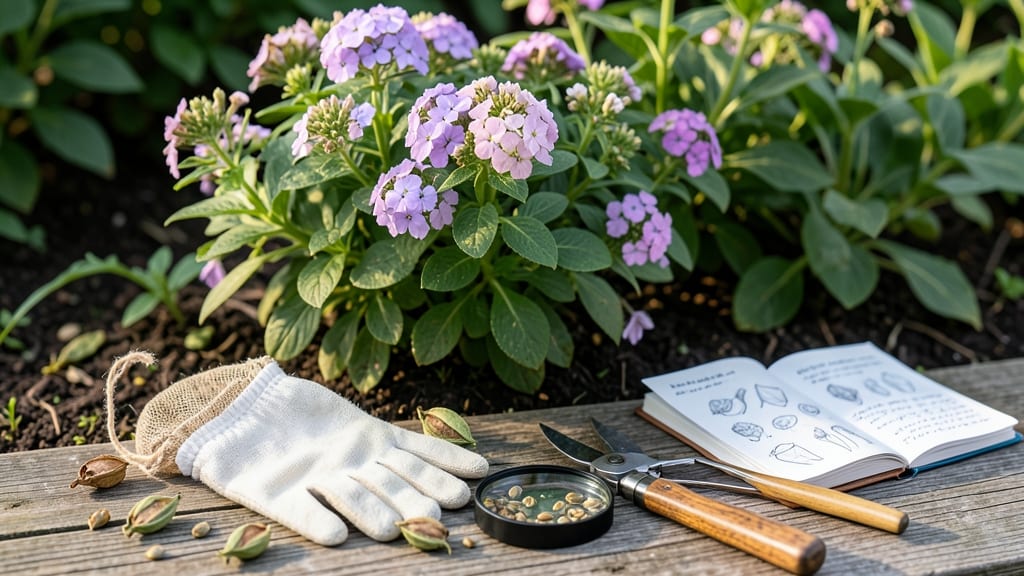
Phlox seeds hide in those dried-up pods after summer blooms. 🌸 I’ve collected them for years, and the secret to next season’s vibrant clusters starts with knowing exactly when—and how—to harvest them before they self-sow everywhere.
The best time is late summer or early fall, when the seed pods turn from green to dry and papery brown. You’ll see them clinging to the stems like tiny lanterns. Snip them carefully with clean scissors, leaving the stems intact to avoid disturbing the roots.
Once collected, spread the pods on a paper towel in a dry, shaded spot for 2-3 weeks to fully dry. Gently rub the dried pods between your fingers to release the tiny black seeds—no need for fancy tools. Store them in an envelope labeled with the variety and date.
This method preserves heirloom varieties and gives you a head start on seedlings. Just avoid damp conditions that cause mold, and you’ll have fresh phlox blooms ready for planting come spring.
📚 In This Guide
- What you need
- Instructions
- Tips and common mistakes
- Wrapping up and next steps
What you need
- ● Mature phlox plants: Choose healthy, disease-free plants with fully developed seed pods (usually after blooms fade and turn brown). Aim for 5–10 pods per plant for a good yield.
- ● Sharp pruning shears or scissors: Clean, sterilized tools to avoid spreading pathogens. A bypass pruner works best for delicate stems.
- ● Paper bags or breathable seed envelopes: Brown paper bags (1–2 per plant) or kraft paper envelopes (3x5 inches) to collect seeds and allow airflow.
- ● Permanent marker or labels: To note the phlox variety, collection date, and location (e.g., "Garden Spot, 2024").
- ● Drying surface: A clean, flat tray or screen (like a hardware cloth) to spread pods for drying. Avoid plastic—it traps moisture!
- ● Fine-mesh sieve or sifter: A #10–20 mesh sieve (or a kitchen strainer) to separate seeds from chaff.
- ● Small containers for storage: Air-tight glass jars or paper envelopes (with silica gel packets for extra dryness).
- ● Desiccant packs: Place a few in storage containers to absorb excess moisture and extend seed viability.
- ● Hand lens or magnifying glass: For inspecting seeds for purity and viability before planting.
- ● Plant journal or spreadsheet: Track seed sources, germination rates, and notes on hardiness or color variations.
- ● Humidity monitor: If storing seeds long-term, keep humidity below 40% for optimal freshness.
- ● Seed catalog or reference book: To cross-reference phlox varieties and growing conditions.
Step-by-Step instructions for collecting phlox seeds
Here's how I harvest phlox seeds reliably—no guesswork, just dry pods and next year's flowers.
🌱 Step 1: Wait for Seed Pods to Fully Mature
Phlox seeds develop inside dry, papery pods that form after blooms fade. Wait until these pods turn brown and crispy—they should open easily when gently squeezed. I check mine in late summer to early fall, usually 6-8 weeks after flowering, when the pods are completely dry.
Don’t rush—green or partially dried pods won’t yield viable seeds. If you harvest too early, the seeds inside won’t be fully developed. A good test: Hold a pod between your fingers and give it a light pinch. If it crumbles or splits open, it’s ready.
🌿 Step 2: Harvest the Dry Seed Pods
Cut the entire seed stalk with clean pruners or scissors, leaving about 1 inch of stem attached to the pods. Work on a dry day when the pods aren’t damp—moisture speeds up decay. Place the stalks in a paper bag (not plastic) to allow airflow and prevent mold.
I like to harvest in the morning after the dew has dried but before the heat of the day. If you miss the pods on the plant, they’ll eventually drop to the ground, but they’ll be harder to find and may get lost in mulch or soil.
⏰ Step 3: Dry and Process the Seed Pods
Spread the harvested stalks in a single layer on a clean, dry surface—like a baking sheet or cardboard box—where they can finish drying for 3-5 days. Keep them in a shady, well-ventilated spot to prevent mold. Stir them occasionally to ensure even drying.
Once fully dry, gently rub the pods between your hands or tap them lightly over a white paper bag to release the tiny, dust-like seeds. Phlox seeds are extremely small, so avoid shaking them—you’ll lose most to the wind. A fine mesh strainer helps catch any seeds that don’t fall naturally.
💧 Step 4: Store Seeds for Planting Next Season
Transfer the collected seeds into a small envelope or airtight container, label it with the phlox variety and date, and store it in a cool, dry place (like a refrigerator or seed vault). Phlox seeds stay viable for 2-3 years if kept dry, but I always plant them within a year for the best germination rates.
Before planting, I soak the seeds in lukewarm water for 12 hours—this softens the outer coating and speeds up germination. After soaking, I plant them ¼ inch deep in well-draining soil and keep them moist until sprouts appear in 2-4 weeks.
Tips & tricks for perfect phlox seed collection
Took me a while to figure these out, so here's how to make phlox seed collection foolproof.
Timing Secret: The 6-8 week window after flowering is critical—this is when phlox pods reach full maturity. I mark my calendar right after the last blooms appear so I don’t miss the harvest window. If you live in a region with unpredictable weather, set a reminder for late summer to early fall, as that's when pods typically dry completely. Remember, green pods mean immature seeds!
Harvest Technique: When harvesting in Step 2, use sharp pruners to cut the entire stalk cleanly. This prevents damage to the pods and makes processing easier later. I always leave that 1-inch stem attached—it helps keep the pods intact during drying. If you notice any pods starting to split open on the plant, harvest those immediately as they'll release seeds prematurely.
Drying Strategy: During the 3-5 day drying period in Step 3, keep a close eye on your pods. If you notice any signs of mold or dampness, move them to a warmer, drier location. I place a small fan nearby to maintain airflow without creating a breeze that could scatter the seeds. Once completely dry, the pods should feel brittle and make a papery sound when rubbed together.
Seed Processing: When tapping pods over the white paper bag in Step 3, work in small batches to avoid losing seeds to wind. I find using two bags—one under the pods and one to catch any seeds that might bounce—doubles my yield. After processing, I gently shake the strainer over the bag to catch any seeds that didn't fall naturally. This method saves me from constantly chasing after tiny seeds that disappear into the air.
Pro Tips for Collect Phlox Seeds
- Took me a while to figure these out, so here's how to make phlox seed collection foolproof.
- Timing Secret: The 6-8 week window after flowering is critical—this is when phlox pods reach full maturity.
- Harvest Technique: When harvesting in Step 2, use sharp pruners to cut the entire stalk cleanly.
Frequently asked questions
Got questions about collecting phlox seeds? You’re not alone!
Here are the most common queries—plus clear, actionable answers—to help you master seed-saving like a pro.
When is the best time to collect phlox seeds?
Harvest phlox seeds when the seed pods turn tan or light brown and begin to split open—usually late summer to early fall (August–October, depending on your climate). Avoid collecting seeds from pods that are still green or have already burst open, as they may not be viable. Pro tip: Morning is ideal since pods are drier and easier to handle!
How long does it take for phlox seeds to dry and become ready for collection?
Once the seed pods form (after flowering), they typically take 4–6 weeks to mature and dry. If you’re in a humid climate, pods may take longer—up to 8 weeks. Keep an eye on them: if they start cracking open, act fast to collect seeds before they scatter!
Can I collect seeds from hybrid phlox varieties?
Yes, but with a caveat: hybrid phlox seeds may not grow true to the parent plant. If you love a specific hybrid (like ‘David’ or ‘Lipstick’), expect surprises in color, size, or bloom time. For consistent results, stick to heirloom or open-pollinated varieties.
What’s the best way to store phlox seeds until planting?
Store seeds in a cool, dry place (like a paper envelope or sealed container) in a dark closet or fridge. Label them with the variety and date! Phlox seeds stay viable for 1–2 years, though germination rates drop over time. Freezing seeds can extend their lifespan slightly.
Why aren’t my phlox plants producing seeds?
Seed production can fail due to lack of pollinators (like bees or butterflies), over-fertilizing (which encourages foliage over flowers), or poor growing conditions (too much shade or heat stress). Try hand-pollinating with a soft brush or planting near pollinator-friendly flowers to boost seed set.
Can I collect seeds from deadheaded phlox?
Nope! Deadheading (removing spent blooms) prevents seed formation—it’s meant to encourage more flowers, not seeds. If you want seeds, leave some blooms on the plant until they form pods. Balance is key: deadhead some flowers for more blooms, but leave others for seeds!
Wrapping up and next steps
Collecting phlox seeds is a rewarding way to ensure next season’s vibrant blooms—and you’ve got all the know-how now! 🌸 With just a little patience and the right timing, you’ll be propagating your favorite varieties effortlessly.
Now that you’re ready, why not share your newfound skills? Try swapping seeds with fellow gardeners or even starting a small seed exchange group—your garden (and theirs!) will thank you!