
Pruning
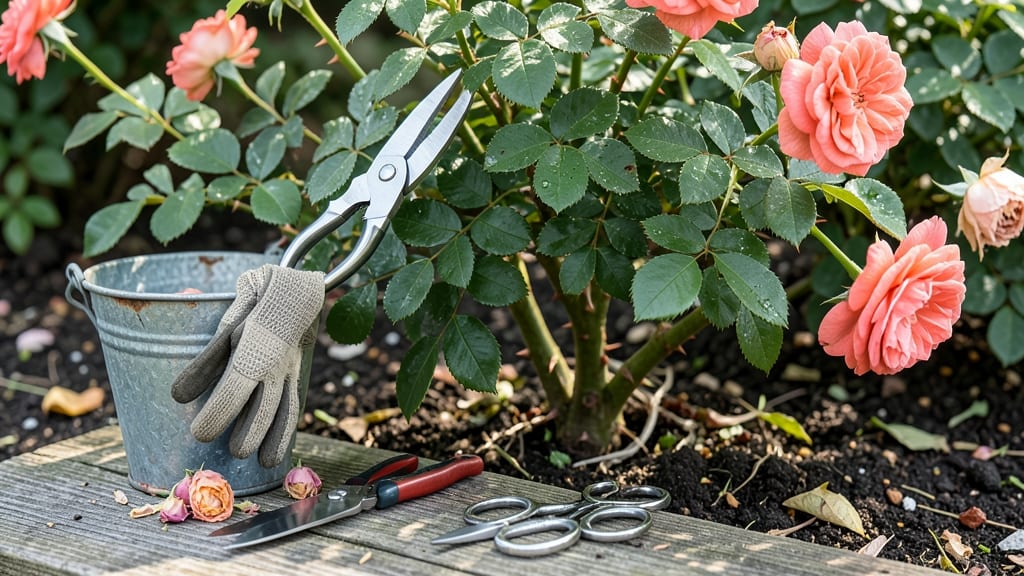
Deadheading floribunda roses turns one-season blooms into a nonstop summer show—and it’s easier than you think. ✂️ I’ve been pruning these roses for years, and the difference between a bush that fades after June and one that bursts with color until frost comes down to this one simple technique.
The key is timing and precision: cut just above a leaf node, never into old wood, and always after blooms fade but before seeds form. Most gardeners over-prune or use dull shears, which stress the plant—don’t make that mistake.
With the right cuts, you’ll trigger new buds and keep your roses healthy and productive all season long. You’ll end up with roses that look like they’re from a catalog, not your neighbor’s yard.
The blooms stay vibrant, the plant resists disease better, and you’ll spend less time deadheading as the season progresses. Here’s exactly how to do it right the first time.
Start with sharp pruning shears (dull blades crush stems) and a small bucket for clippings. Work on a dry morning when the plant is at its peak energy—this makes cuts heal faster.
For floribundas, focus on removing entire spent flower clusters down to the first healthy leaf with five leaflets (that’s your growth node). The goal is to encourage new growth without sacrificing next year’s blooms. Avoid cutting into bare stems or you’ll trigger leggy, weak growth.
Think of each cut as a signal to the plant: "Hey, I’ve got energy—let’s make more flowers!" With practice, you’ll spot the perfect cuts in seconds.
Most mistakes happen when gardeners either prune too late (after seeds form) or cut too aggressively (into old wood). If you’re unsure where to cut, trace the stem back to the nearest outward-facing bud—this ensures new growth angles away from the center, keeping the bush open and airy.
Repeat every 7-10 days during peak bloom, and your floribundas will reward you with weeks of extra color. This method works for all floribunda varieties, whether you’re growing in full sun or partial shade. The only real rule?
Stay consistent, and your roses will thank you with healthier stems, more blooms, and a longer season than you’ve ever seen before.
📚 In This Guide
- What you need
- Instructions
- Tips and common mistakes
- Wrapping up and next steps
What you need
- ● Pruning shears – Bypass pruners (sharp, clean, and 5- to 7-inch blades for precision cuts). Dull tools crush stems—avoid this!
- ● Garden gloves – Heavy-duty, cut-resistant (thorns are no joke!). Opt for nitrile-coated for grip.
- ● Disinfectant (70% isopropyl alcohol or bleach solution) – 1 part bleach to 9 parts water to sterilize tools between cuts.
- ● Trash bag or bucket – For removing spent blooms and debris (a 5-gallon bucket works great).
- ○ Garden twine or rubber bands – Optional but handy for tying up unruly stems post-pruning.
- ● Best time to deadhead: Morning or late afternoon (avoid midday heat to reduce stress on the plant).
- ● Weather check: Wait for dry, calm conditions—wet stems attract disease.
- ● Know your rose’s growth habit: Floribundas bloom in clusters; cut just above a 5-leaflet leaf (or outward-facing bud) for continuous blooms.
- ● Safety first: Wear long sleeves and closed-toe shoes—thorns are sneaky!
Step-by-step instructions for deadheading floribunda roses
Here's the method I use to keep my floribundas blooming all season long—no fancy tools, just sharp eyes and steady hands.
✂️ Step 1: Wait for the Right Moment to Prune
Deadhead only after a bloom has fully faded and its petals begin to drop naturally. This is your signal that the flower's energy has moved to the seed pod (hip) below. If you prune too early, you remove buds that haven't opened yet. I always check for brown or curling petals first—those are my cues to grab the pruners.
Work in the morning when the plant is well-hydrated. The stems will be firmer, making clean cuts easier. Avoid pruning after rain or in extreme heat—wet stems tear and stressed plants react poorly to cuts. You'll know you're ready when you see clusters of spent blooms with no green buds remaining.
✂️ Step 2: Make Clean Cuts at the Right Spot
Use clean, sharp pruners to cut just above a 5-leaflet leaf (where the stem meets the leaf cluster). This is called the "leaf node" and is where new growth will emerge. I angle my cut slightly downward to prevent water from pooling on the wound. Never cut blindly—always look for that leaf node to guide your cut.
If you're dealing with a long stem, cut it down to an outward-facing bud. This encourages the plant to grow outward rather than inward, improving airflow and sunlight penetration. The goal is to leave a strong, healthy stem that can support new blooms. You'll see fresh green growth emerging from the leaf node within a week or two.
✂️ Step 3: Remove Only the Spent Blooms
Don't over-prune! Focus only on removing the faded flowers and their stems. Leave the leaves and any unopened buds intact. These are your plant's energy reserves for future blooms. I like to work my way around the plant, removing one cluster at a time. This keeps me from getting overwhelmed and ensures I don't miss any spent blooms.
Pay special attention to the center of the plant where blooms can hide. Use your fingers to gently separate petals and check for hidden buds. If you find a bud that's just starting to open, leave the entire stem alone. You'll know you've done it right when the plant looks fuller and more balanced, with no dead or dying blooms left behind.
💧 Step 4: Follow Up with Water and Care
After deadheading, water your floribunda deeply to help it recover from the pruning. The roots need moisture to support new growth, especially if you've made several cuts. I water at the base, avoiding the foliage to prevent fungal issues. The soil should be moist 6 inches down—stick your finger in to check.
Apply a balanced rose fertilizer after pruning to give your plant the nutrients it needs for new blooms. I use a 10-10-10 formula and follow the package instructions for application rates. Avoid over-fertilizing, as this can lead to excessive leaf growth at the expense of flowers. You'll see new buds forming within 3-4 weeks if the plant is healthy and well-cared-for.
⏰ Step 5: Repeat Regularly for Continuous Blooms
Floribunda roses bloom in waves, so deadheading isn't a one-time task. Repeat the process every 7-10 days during the blooming season to encourage continuous flowers. Set a reminder or make it part of your weekly garden routine. I like to deadhead on the same day each week—it becomes a habit and keeps my roses looking their best.
As the season progresses, you'll notice your floribunda producing more blooms with less effort. The key is consistency—don't skip deadheading just because you're busy. Even a few missed clusters can reduce the overall number of blooms. With regular care, your floribunda will reward you with healthy, vibrant blooms all season long.
Tips & tricks for perfect floribunda rose pruning
These simple but game-changing tricks will help you deadhead like a seasoned gardener—no green thumb required.
Timing is Everything: The morning after a light rain is actually the perfect time to deadhead. The stems will be firm but hydrated, and the cool air reduces stress on the plant. I've learned this the hard way—pruning after heavy rain or in scorching heat leads to ragged cuts and stressed plants that take weeks to recover.
Tool Prep Matters: Before you start, wipe your pruners with rubbing alcohol to sterilize them. This prevents spreading disease between plants. I keep a small bottle of 70% isopropyl alcohol in my gardening toolkit—it's a small step that makes a huge difference in plant health. Also, make sure your blades are sharp; dull pruners crush stems instead of making clean cuts.
Visual Cues for Perfect Cuts: In Step 2, when cutting above the 5-leaflet leaf, look for the leaf node where a slight bump or swelling appears. This is your target spot. If you're unsure, gently squeeze the stem just above where you plan to cut—if you feel a slight resistance, that's your leaf node. This visual cue ensures you're always cutting in the right place for maximum regrowth.
Seasonal Adjustments: During the hottest months, reduce your deadheading frequency to every 10-12 days instead of the standard 7-10 day schedule. The plant needs time to recover from both the heat stress and the pruning. I've noticed that roses pruned too frequently in summer often produce smaller blooms or take longer to recover. Always check for new buds forming before pruning again.
Pro Tips for Deadhead Floribunda Roses
- These simple but game-changing tricks will help you deadhead like a seasoned gardener—no green thumb required.
- Timing is Everything: The morning after a light rain is actually the perfect time to deadhead.
- Tool Prep Matters: Before you start, wipe your pruners with rubbing alcohol to sterilize them.
Frequently asked questions
Got questions about deadheading floribunda roses?
You’re not alone! Here are the most common queries—plus clear, practical answers to keep your roses thriving.
When is the best time to deadhead floribunda roses?
Deadhead after a bloom fades but before the hips (seed pods) form. For floribundas, aim for late spring through early fall—avoid pruning in winter or during dormancy. This encourages continuous blooming and prevents energy waste on seed production.
Do I need special tools for deadheading floribundas?
Not necessarily! Clean, sharp pruners or even your fingers work, but avoid tearing stems. For large clusters, bypass pruners make the job easier. Just ensure tools are sterilized with rubbing alcohol to prevent disease spread.
What if I skip deadheading? Will my floribunda roses still bloom?
Yes, but expect fewer blooms and leggy growth. Deadheading redirects energy to new flowers instead of seed production. Skipping it may lead to overcrowded stems and weaker blooms—like letting weeds take over your garden!
How often should I deadhead floribunda roses?
Check daily during peak bloom season (spring/fall) and weekly otherwise. Floribundas produce clusters, so prioritize spent blooms over perfect timing. Consistency matters more than frequency—think of it like trimming your hair regularly!
What if deadheading causes my roses to look bare?
Don’t worry! Floribundas are forgiving. Focus on pruning above a leaf node (where leaves meet the stem) to encourage new shoots. If stems look too sparse, lighten up—over-pruning stresses plants. Patience pays off with lush regrowth!
Wrapping up and next steps
Deadheading your floribunda roses is a simple yet powerful way to keep your garden thriving with nonstop blooms and lush, healthy growth! 🌸 By removing spent blooms regularly, you encourage new flowers, prevent disease, and shape your roses for a stunning appearance.
With just a few tools and a little patience, you’ll enjoy a bountiful, vibrant garden all season long.
Ready to take the next step? Start with one bush this weekend—grab your pruners, follow the steps, and watch your floribunda roses reward you with even more stunning flowers! 🌿