
Tools
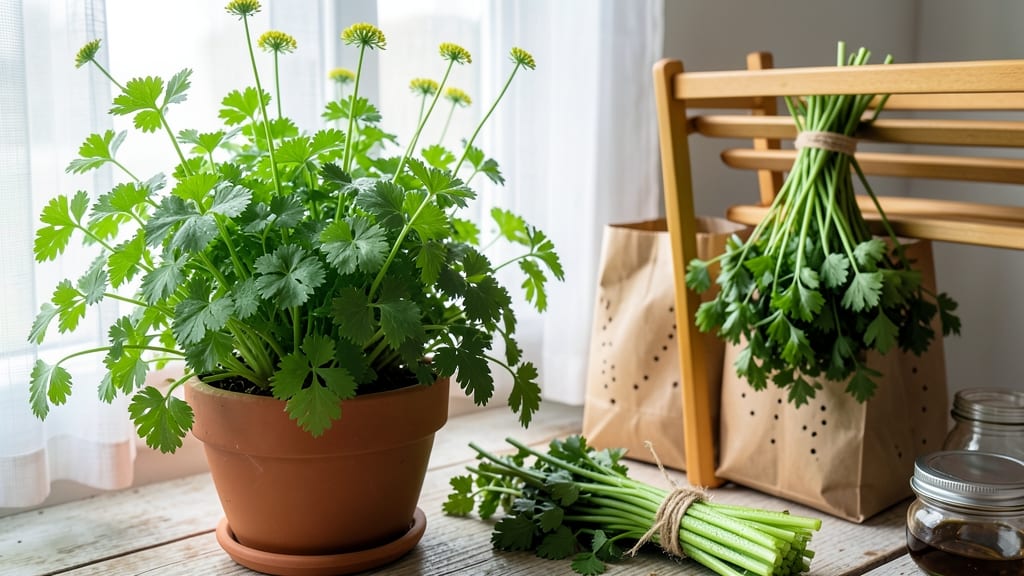
How to dry fresh parsley from the garden will keep its bright flavor for months—preserving it in hanging bundles ensures crisp, vibrant leaves perfect for soups, garnishes, or homemade remedies. ✨ The method I’ve used to dry hundreds of bundles relies on timing and airflow for the best results.
All you need is fresh parsley, rubber bands or twine, and a dry, dark spot with good air circulation. Skip the oven unless you’re in a rush—air-drying locks in more nutrients and flavor.
The process takes about 2 weeks, but the results are worth the wait: fragrant, dry leaves that crumble perfectly over dishes.
Common mistakes? Overcrowding bundles or drying too quickly. Both ruin the texture and taste. Instead, space them out and let them dry slowly. Store the dried parsley in airtight containers away from light—it’ll keep for up to a year, ready to brighten any meal.
This method works for flat-leaf or curly parsley, and the dried herb is just as versatile as fresh. Whether you’re prepping for winter cooking or stocking your pantry, this is the foolproof way to save your harvest.
📚 In This Guide
- What you need
- Instructions
- Tips and common mistakes
- Wrapping up and next steps
What you need
- ● Fresh parsley – A generous bunch (about 1–2 cups of leaves), ideally harvested just before flowering for maximum flavor.
- ● Kitchen twine or rubber bands – Enough to tie 2–3 bundles (about 12–18 inches long). Avoid plastic ties—they can damage the stems.
- ● Paper towels or clean kitchen cloth – For gently patting the parsley dry (removes excess moisture to speed up drying).
- ● Drying rack, mesh bag, or brown paper bag – A well-ventilated option is key! Hang bundles or lay flat to dry.
- ● Pantry-safe storage container – Airtight jars, glass containers, or resealable bags (once fully dried, parsley keeps for months!).
- ● Food dehydrator – For a faster, low-heat drying method (set to 95°F/35°C for 2–3 hours).
- ○ Essential oil diffuser (optional) – Add a drop of lemon or lavender oil to the drying area to repel pests.
- ● Labeling tags – Mark jars with the date and "dried parsley" to track freshness.
- ● Small fan or open window – Ensures even airflow if drying indoors (humidity is the enemy!).
Step-by-step instructions for drying fresh parsley
Here’s how I preserve my garden parsley so it stays vibrant and ready for winter cooking.
🌿 Step 1: Harvest and Prepare the Parsley
Pick parsley on a dry morning after the dew has evaporated. Snip the stems about 2 inches from the base to encourage new growth. Rinse the stems gently under cool water to remove dirt, then pat dry thoroughly with a clean kitchen towel or paper towels. Any moisture left behind will slow drying and encourage mold.
Real talk: Don’t wash the leaves too roughly—they bruise easily, and bruised parsley dries unevenly. Shake off excess water before drying. I like to bundle the stems into small groups of 5-6 for easier handling, tying them loosely with twine or a rubber band. This keeps the leaves from touching each other during drying.
🪴 Step 2: Bundle and Hang the Parsley
Take your prepared bundles and tie them securely at the top with a piece of twine or kitchen twine. Hang them upside down in a dry, dark, well-ventilated spot—think pantry, closet, or basement. The key here is airflow: you want the stems to dry slowly and evenly, not sit in a damp corner where mold could form.
I hang mine from a hook or nail, ensuring the bundles are spaced about 2 inches apart. This prevents them from touching and allows air to circulate freely. If your space is humid, consider placing a small fan nearby on low setting to speed up the process without damaging the leaves.
☀️ Step 3: Monitor and Test for Dryness
Check your parsley bundles every 2-3 days. They’re ready when the leaves are completely dry and brittle to the touch—this usually takes about 1-2 weeks, depending on your home’s humidity. If the leaves still feel slightly pliable, give them another day or two.
Here’s the thing—don’t rush it. Overly hasty drying can turn the leaves brown and bitter. Once dry, remove the leaves from the stems by rubbing them between your fingers or gently pulling. Store the dried leaves in an airtight container, like a glass jar or resealable bag, away from direct light to preserve their flavor and color.
⏰ Step 4: Store and Use Your Dried Parsley
Label your container with the date—dried parsley keeps its best flavor for about 6 months if stored properly. When using, crush the leaves between your fingers just before adding to recipes to release their full aroma. Dried parsley loses some potency, so use about 1 teaspoon dried per 1 tablespoon fresh in your dishes.
I keep a small jar by my stove for quick access. If you notice the leaves losing their color or smell, it’s time to use them up or compost them. The sooner you use dried parsley, the better it’ll taste—so plan to incorporate it into soups, sauces, or seasoning blends before they go stale.
Tips & tricks for perfectly dried parsley bundles
These simple yet game-changing strategies will help you preserve your garden parsley with vibrant color and maximum flavor.
Harvest Timing: The morning after a dry night is ideal for harvesting parsley because dew has evaporated but the plants haven't been stressed by midday heat. I've found that harvesting after dew has dried prevents mold during the drying process. If you must harvest later in the day, wait until evening when temperatures have dropped slightly to avoid wilting.
Bundle Organization: Keeping your parsley bundles small—about 5-6 stems each—ensures even drying throughout. Larger bundles can create uneven drying where the center stays damp while the outer leaves dry too quickly. I also recommend using soft twine or rubber bands that won't cut into the delicate stems during the drying process.
Airflow Optimization: While hanging your bundles, position them so they're not touching each other. Even a slight brush between bundles can transfer moisture and slow down the drying process. In humid conditions, I've had success placing a small fan on low setting near the hanging area to create gentle airflow without damaging the leaves.
Storage Wisdom: Once your parsley is completely dry, store it in small batches to maintain freshness. I divide my dried parsley into 1-teaspoon portions in tiny jars or folded paper envelopes. This way, I can open just what I need without exposing the entire batch to air, which causes oxidation and flavor loss over time.
Pro Tips for Dry Fresh Parsley From The Garden
- These simple yet game-changing strategies will help you preserve your garden parsley with vibrant color and maximum flavor.
- Harvest Timing: The morning after a dry night is ideal for harvesting parsley because dew has evaporated but the plants haven't been stressed by midday heat.
- Bundle Organization: Keeping your parsley bundles small—about 5-6 stems each—ensures even drying throughout.
Frequently asked questions
Got questions about drying parsley? You’re not alone—here are answers to the most common ones to help you master the process like a pro!
How long does it take to dry parsley?
Drying parsley typically takes 1–3 weeks, depending on your climate and drying method. In warm, dry conditions (60–80°F), it may dry faster (7–10 days). If humidity is high, give it extra time—patience ensures crisp, flavorful leaves!
Can I speed up the drying process?
Yes! For faster drying, try these tricks:
- Use a dehydrator (set to 95°F for 2–4 hours).
- Place bundles in a well-ventilated, sunny spot (like a screened porch).
- Spread leaves on a baking sheet in a single layer and bake at 200°F for 1–2 hours (stir occasionally).
What’s the best temperature for drying parsley?
The ideal range is 60–80°F (15–27°C). Cooler temps slow drying, while heat above 90°F can degrade flavor and color. If using a dehydrator or oven, keep it under 110°F (43°C) to preserve freshness.
Can I reuse dried parsley stems?
Once dried, remove leaves from stems and store them separately. The stems can be:
- Crushed into a flavorful powder (great for soups or rubs).
- Used as a natural garnish for broths or teas.
- Added to homemade herb blends (like Italian seasoning).
Why did my parsley turn brown or moldy?
Brown spots or mold usually mean:
- Too much humidity—move bundles to a drier area.
- Poor airflow—ensure stems aren’t touching each other.
- Overcrowding—thin out bundles for better circulation.
- Old leaves—trim wilted or yellowed leaves before drying.
How do I store dried parsley long-term?
Keep dried parsley in an airtight container (glass jars or resealable bags) in a cool, dark place (like a pantry). It stays fresh for 6–12 months. For extra shelf life, add a deseiccant packet to absorb moisture.
Wrapping up and next steps
Drying fresh parsley from your garden is a simple, rewarding way to preserve its vibrant flavor for months!
With just a few tools and a little patience, you can transform wilted stems into crisp, aromatic bundles perfect for soups, sauces, or seasoning. Now that you’re equipped with the know-how, why not gather your herbs and start drying? Try experimenting with different drying methods—like air-drying or using a dehydrator—to find your favorite.
Soon, you’ll have a pantry stocked with homegrown goodness, ready to elevate every dish! 🌿✨