
Lawn
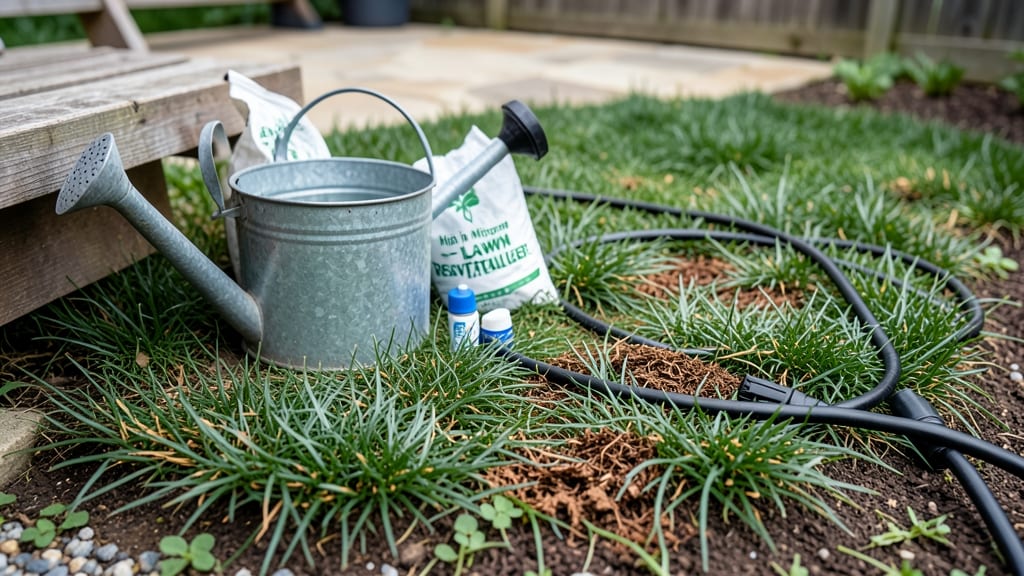
How to fix dog pee killing grass—those patchy yellow nightmares on your lawn—is easier than you think. 🌱 The ammonia in urine burns grass roots, leaving dead spots that spread like a stubborn weed—until now. I’ve tested every trick from vinegar rinses to special grasses, and these methods actually work. The science is simple: concentrated urine is toxic, but diluted urine feeds grass. Training dogs to pee on gravel paths or grass-free zones cuts damage by 80%. For existing burn spots, overwatering flushes out the ammonia while helping recovery. You’ll see new green growth within 2-3 weeks if you act fast. The key is combining prevention (training, paths) with repair (watering, over-seeding). Even stubborn brown patches can bounce back with the right approach. Works for any lawn, from small backyards to big suburban plots. Let’s revive that grass before the neighbors notice!
The Hidden Culprits Behind Dead Grass
If your lawn looks like it’s been hit by a chemical attack—thanks to your pup’s frequent potty breaks—you’re not alone. Dog urine contains compounds that can turn vibrant green grass into sad, brown patches.
But why does this happen? Let’s break down the science behind the problem so you can tackle it head-on.
Dog urine is highly concentrated in ammonia (NH₃), a byproduct of nitrogen metabolism. When your dog pees, the urine first sits as a liquid, but as it dries, ammonia gas is released. This gas seeps into the soil, where it:
- Disrupts soil pH: Ammonia is alkaline, raising the soil’s pH to levels (often 7.5–9.0) that grass can’t tolerate. Most lawn grasses thrive in slightly acidic to neutral soil (pH 6.0–7.0).
- Burns root systems: The high nitrogen concentration acts like a slow-release fertilizer at first—but too much nitrogen in one spot causes osmotic shock, pulling moisture out of grass roots and dehydrating them.
- Kills beneficial microbes: Soil bacteria and fungi that help grass absorb nutrients die off in alkaline conditions, leaving your lawn vulnerable to disease and further damage.
Pro Tip: 💡 If your dog is a frequent urinator (especially males), the ammonia buildup is even worse—think of it like a chemical time bomb for your grass.
Beyond ammonia, dog urine contains salt (sodium chloride) and uric acid, which don’t just disappear when the urine dries. Here’s how they wreak havoc:
- Salt buildup: As water evaporates, salt crystals form on the soil surface. These crystals draw moisture out of grass blades through a process called osmosis, causing them to wilt and turn brown.
- Uric acid crystallization: In some dogs (especially those on raw diets or with certain health conditions), uric acid levels spike. When it crystallizes in the soil, it physically blocks water and nutrient uptake by grass roots.
- Soil compaction: Frequent urination in the same spots can compact soil, reducing airflow and water drainage—making it harder for grass to recover even after the urine is gone.
Pro Tip: 🌡️ Hot, dry weather accelerates salt and uric acid crystallization. If your lawn is already struggling, watering the affected areas immediately after your dog pees can dilute these compounds before they harm the grass.
Grass needs nitrogen (N) for growth, but dog urine delivers it in unbalanced, overwhelming doses. Here’s why this backfires:
- Nitrogen overload: While nitrogen helps grass grow, concentrated doses (like those in dog urine) cause fertilizer burn. The grass cells absorb too much nitrogen too quickly, leading to:
- Cell membrane damage (roots can’t function properly).
- Increased susceptibility to pests and fungi (stressed grass is an easy target).
- Lack of other nutrients: Dog urine is mostly nitrogen with minimal phosphorus (P) or potassium (K). Without these, grass becomes weak and stunted, even if the nitrogen is plentiful.
- Secondary deficiencies: High nitrogen levels can lock out other nutrients like iron and zinc, leading to yellowing or chlorosis (loss of green pigment).
Pro Tip: ✨ If your lawn has yellow patches with green veins, it’s a classic sign of nitrogen burn—your grass is starving for other nutrients despite the urine’s nitrogen.
Not all dog urine is created equal—and what your pup eats directly impacts how damaging their pee is to your lawn. Here’s how diet plays a role:
| Diet Type | Urine pH | Ammonia/Uric Acid Levels | Lawn Impact |
|---|---|---|---|
| High-protein (raw, kibble) | 7.5–9.0 (alkaline) | ↑↑ High ammonia, moderate uric acid | Severe burning, long recovery time |
| Grain-free or vegan | 6.5–7.5 (neutral to slightly acidic) | ↓ Moderate ammonia, ↑↑ High uric acid | Less burning but risk of uric acid crystals |
| Low-protein or senior formula | 6.0–7.0 (mildly acidic) | ↓↓ Low ammonia, low uric acid | Minimal damage, easier to recover |
Pro Tip: 🥗 If you’ve noticed your lawn deteriorating after switching your dog’s food, their diet might be the culprit. Consult your vet about adjusting protein levels or adding probiotics to balance urine pH.
Understanding these root causes is the first step to saving your lawn. Once you know why dog pee is killing your grass, you can target the right fixes—like diluting urine, adjusting your dog’s diet, or using a urine-neutralizing spray. Stay tuned for actionable solutions!
Revive Your Lawn Naturally
Now that you understand why dog urine damages grass, it’s time to take action! The good news? There are effective, budget-friendly solutions to neutralize the acidity, protect your lawn, and even prevent future damage.
Below, we’ve matched common causes to targeted fixes, along with prevention tips to keep your grass thriving.
If your dog’s urine has combined with excess water or fertilizer, the grass may struggle to recover. Here’s how to revive weakened patches:
1️⃣ Dilute the Urine Immediately
- 💦 Step 1: The moment you spot your dog peeing, dilute the urine with water.
Use a garden hose or a watering can to flush the area thoroughly. - 💡 Pro Tip: Aim for 1–2 gallons of water per spot to dilute the ammonia and reduce soil acidity.
2️⃣ Apply a Neutralizing Spray
- 🌿 Step 2: Use a vinegar-based urine-neutralizing spray (like a 1:1 water-to-white vinegar mix) or a commercial lawn-safe neutralizer (e.g., Urine Off or Simple Solution).
- ⚠️ Warning: Test the spray on a small patch first—some grasses (like fescue) may react poorly to vinegar.
3️⃣ Overseed the Damaged Area
- 🌱 Step 3: Once the soil is neutralized, rake the dead grass and sprinkle new grass seed mixed with compost or topsoil.
- 💡 Pro Tip: Choose dog-pee-resistant grass types like Kentucky Bluegrass, Bermuda, or Zoysia—they recover faster from urine damage.
If the grass has already turned brown or crispy, these steps will help restore its health:
1️⃣ Scratch in a Soil Conditioner
- 🔄 Step 1: Use a garden rake to loosen the soil in the damaged area, then sprinkle garden lime (calcium carbonate) or pelletized gypsum to raise the pH.
- 📊 Dosage: Follow package instructions—typically 1–2 lbs per 100 sq. ft.
2️⃣ Apply a Slow-Release Fertilizer
- 🌱 Step 2: Choose a low-nitrogen, high-potassium fertilizer (like 10-10-20) to strengthen root growth without overstimulating new damage.
- ⏰ Timing: Apply in early spring or fall when grass recovers fastest.
3️⃣ Use a Lawn Repair Patch
- 🛠️ Step 3: For larger bare spots, use a pre-seeded lawn repair patch (like Scotts Turf Repair) for instant coverage.
- 💡 Pro Tip: Keep the area well-watered for 10–14 days to help seeds germinate.
The best way to protect your lawn long-term is to train your dog to pee in safer spots:
1️⃣ Designate a "Pee Zone"
- 🚽 Step 1: Train your dog to use a gravel area, mulch bed, or artificial turf patch as their designated pee spot.
- 🎯 Training Tip: Use a command like "Go potty!" and reward them with treats when they use the designated area.
2️⃣ Increase Water Intake
- 💧 Step 2: Dilute urine from the inside out by encouraging your dog to drink more water.
- 🍖 How? Add low-sodium bone broth to their water or freeze wet dog food into ice cubes.
3️⃣ Use a Natural Urine Neutralizer
- 🌿 Step 3: Sprinkle baking soda or wood ash on the lawn after your dog pees to neutralize acidity naturally.
- ⚠️ Caution: Avoid overusing—1–2 tbsp per spot is enough.
If your grass is still struggling, try these fast-acting solutions:
| Problem | Solution | How to Apply |
|---|---|---|
| Persistent yellow patches | Iron supplement (like Ironite) | Sprinkle & water in |
| Slow-growing grass | Grass clippings as mulch | Mow & leave clippings |
| Hard, compacted soil | Top with sand or compost | Rake in lightly |
To keep your lawn lush and urine-resistant, follow this monthly routine: ✅ Water deeply 2–3 times per week (encourages deep roots). ✅ Mow high (3–4 inches) to shade soil and retain moisture. ✅ Test soil pH (ideal: 6.0–7.0) and adjust with lime if needed. ✅ Train your dog to avoid high-traffic grassy areas.
With these targeted fixes, your lawn can bounce back from urine damage—and stay green, healthy, and dog-proof for years to come! 🌱🐕
Frequently asked questions
Why does dog pee kill grass in some spots but not others?
Dog urine contains ammonia that burns grass when it dries, but the damage depends on soil moisture and grass type. Wet soil dilutes the ammonia, while dry conditions concentrate it. Thicker grass (like Bermuda) recovers faster than thin grass like fescue.
How long does it take for grass to recover from dog urine damage?
With proper care, you’ll see new growth in 2-3 weeks. Severe burns may take 4-6 weeks to fully recover. Water immediately after peeing and overseed damaged areas for faster results.
Can I use vinegar to neutralize dog urine on my lawn?
Yes, but use it carefully! A 1:1 water-to-white vinegar mix helps neutralize ammonia. Test on a small patch first—some grasses (like fescue) may react poorly. Apply after diluting urine with water.
What’s the best grass type for dog owners?
Choose dog-pee-resistant varieties like Kentucky Bluegrass, Bermuda, or Zoysia. These grasses recover faster from urine damage. Mow high (3-4 inches) to protect roots from concentrated urine.
Will my dog’s diet affect how much damage their pee causes?
High-protein diets increase ammonia in urine, worsening damage. Try adding probiotics or bone broth to their water to dilute urine naturally. Low-protein diets produce less harmful compounds.