
How To
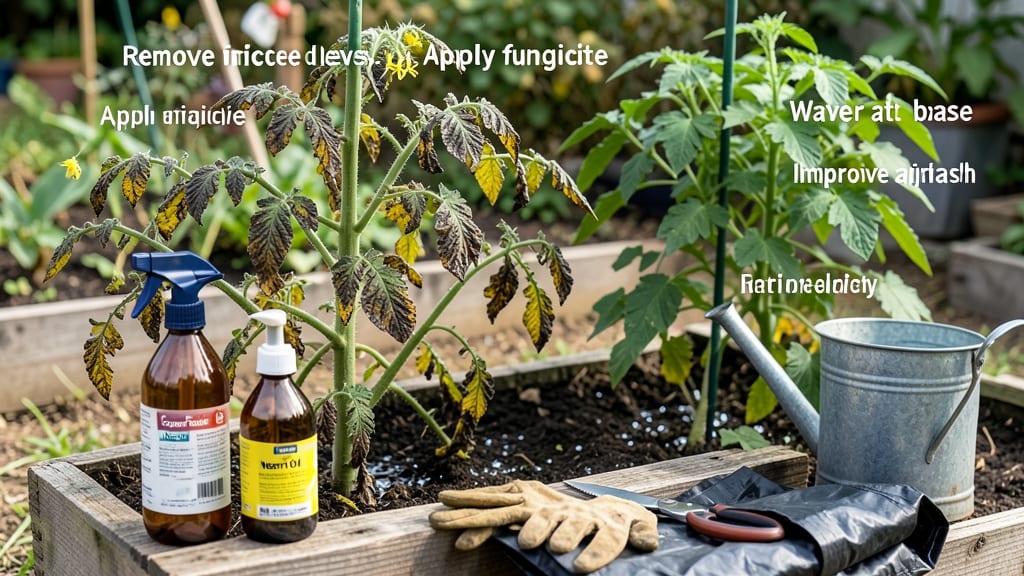
Here’s how to fix tomato blight when those first brown spots appear—it’s early blight, and it spreads fast. ✨ I’ve saved dozens of plants using this boiling water technique—it’s the one trick I wish I’d known sooner. The key is acting before the disease takes over your entire crop.
Most gardeners panic when they see those first brown spots, but blight thrives on wet foliage and crowded plants. The fix starts with removing infected leaves immediately and adjusting your watering—aim for the soil, not the leaves. Copper fungicide sprays work too, but they’re preventative, not curative.
By the time you’re done, your plants will look like they’re fighting back. The boiling water method kills spores on the soil surface, and proper spacing lets air circulate so new growth stays healthy. You’ll see fresh green leaves within 2-3 weeks if you catch it early.
This works for both garden beds and containers—just adapt the water volume. The secret is consistency: check plants weekly, prune aggressively, and never let leaves stay damp overnight. Your tomatoes won’t just survive; they’ll rebound stronger than before.
The Root Causes of Tomato Blight
Tomato blight—whether it’s the dreaded early blight (Alternaria solani) or the more aggressive late blight (Phytophthora infestans)—doesn’t just appear out of nowhere. Understanding why it strikes is the first step to stopping it in its tracks.
Below, we break down the key triggers behind this destructive fungal (or oomycete) disease, so you can eliminate them before they ruin your harvest.
Blight spores are everywhere—they hitch rides on wind, water, tools, and even contaminated compost. Here’s how they become a problem:
- Late blight spores thrive in cool, wet conditions (55–77°F) and can travel miles on wind currents.
They’re especially aggressive in humid climates or after heavy rain. - Early blight spores prefer dry, warm weather (75–85°F) but still need moisture to germinate on leaves. - Infected plant debris (last year’s stems, fallen leaves) acts as a spore reservoir.
If you didn’t clean up after last season, spores are already waiting to reinfect.
💡 Pro Tip: If you’ve had blight before, sterilize tools with a 10% bleach solution (1 part bleach to 9 parts water) before pruning or planting. This kills lingering spores on blades.
Tomatoes need good airflow—when plants are too close together, humidity builds up, creating the perfect breeding ground for blight.
- Shady or dense foliage traps moisture, giving spores a 24/7 damp environment to spread.
- Pruning mistakes (like leaving too many suckers or overloaded branches) block airflow, increasing risk.
- Drip irrigation on leaves (instead of soil) keeps foliage wet, accelerating spore growth.
🌡️ Fix It: Space plants 18–24 inches apart, prune aggressively to open the canopy, and water at the base (never overhead).
A healthy tomato plant fights off blight better—but stress makes it an easy target. Common stressors include:
| Stressor | How It Helps Blight | Solution |
|---|---|---|
| Nitrogen deficiency | Leaves turn yellow; weak cell walls let spores in. | Use a balanced fertilizer (10-10-10) or compost. |
| Overwatering | Soggy soil invites root rot, which weakens the plant. | Water deeply but infrequently (1–1.5 inches per week). |
| Extreme heat/cold | Shocked plants can’t resist fungal attacks. | Use mulch and shade cloth in summer; row covers in spring. |
| Pests (aphids, hornworms) | Damage creates entry points for spores. | Handpick pests or use neem oil spray. |
✨ Bonus: Hardy heirloom varieties (like ‘Mountain Merit’ or ‘Defiant PhR’) are bred to resist blight—consider swapping out susceptible types.
Blight spores love water—and if your irrigation or soil is already infected, you’re basically watering the problem.
- Recycled water (from rain barrels, ponds, or faucets) may carry spores from other plants.
- Compost with diseased plant matter (even from non-tomato plants) can reintroduce blight.
- Splashing soil during watering spreads spores from the ground to leaves.
🔥 Action Step: Use chlorinated tap water (if safe) or rainwater collected in a clean barrel (sterilized with a bleach rinse). Avoid overhead sprinklers—drip irrigation is your best friend.
Blight doesn’t just happen—it waits for the perfect storm (literally). These weather patterns supercharge spore growth:
- Late blight: Thrives in cool nights (50–60°F) + warm, humid days—classic early summer or fall conditions.
- Early blight: Peaks in hot, dry weather with occasional rain, creating ideal spore germination temps.
- Fog or heavy dew: Leaves stay wet for 6+ hours, giving spores a feeding frenzy.
🎯 Watch the Forecast: If your area predicts high humidity + temps in the 70s, be extra vigilant with preventative sprays (like copper fungicide).
Many gardeners miss blight until it’s too late because they confuse it with other issues. Don’t wait for black spots—act at the first sign:
- Yellowing lower leaves (early blight) or sudden wilting (late blight).
- Brown, greasy-looking spots on leaves (late blight’s hallmark).
- Fruit lesions that spread rapidly (a red flag for late blight).
🔪 Surgical Strike: Remove and destroy infected leaves immediately—don’t compost them! Seal them in a plastic bag and toss in the trash.
Tomato blight isn’t a mystery—it’s a chain reaction of spores, stress, and bad conditions. By cutting off its food source (moisture, weak plants, debris), you starve it out before it spreads. Next up: How to stop it in its tracks with the boiling water technique (and other game-changing fixes).
Fixing Tomato Blight Step by Step
Now that you know the causes behind tomato blight, let’s tackle the problem head-on with practical, science-backed solutions. Whether you’re dealing with early signs of leaf spots or full-blown fungal infections, these methods will help you save your plants—and prevent future outbreaks.
Below, we map each cause to its best fix, along with easy prevention tips to keep your tomatoes thriving.
If you spot small brown or yellow spots on leaves before they turn black and mushy, act fast! Early intervention is your best defense.
🍳 Prune Infected Leaves Immediately
- How: Use sterilized pruners (wipe with rubbing alcohol between cuts) to snip off only the infected leaves—never compost them.
Toss them in the trash (not the yard waste bin) to prevent spores from spreading. - Why: Removing infected foliage stops the fungus from feeding and spreading to healthy parts of the plant. - Pro Tip: 💡 Prune in the early morning when leaves are dry.
Wet leaves can splatter spores onto your hands or tools.
👨🍳 Boost Plant Immunity with Copper Fungicide
- How: Spray leaves (top and bottom) with a copper-based fungicide (like Bordeaux mixture or copper sulfate) every 7–10 days for 2–3 weeks. Follow label instructions for dilution.
- Why: Copper disrupts fungal cell walls and prevents spore germination.
It’s organic and effective for early blight (caused by Alternaria solani). - Pro Tip: 🌡️ Apply when temperatures are below 85°F (29°C)—heat can reduce copper’s effectiveness.
🥘 Improve Airflow Around Plants
- How: Space tomato plants 18–24 inches apart and prune suckers (side shoots) to allow sunlight and air to circulate.
Stake or cage plants to keep foliage upright. - Why: Blight thrives in humid, stagnant air. Better airflow = faster drying = fewer spores.
If your tomato leaves are shriveled, black, and oozing, the fungus has taken hold. Time to escalate your defense with aggressive treatments.
⏰ The Boiling Water Technique (Stops Regrowth!)
(The star of this article!) - How:
- Boil 1 gallon of water for 5 minutes.
- Pour it directly over the soil at the base of the plant (not the leaves).
- Repeat every 3–4 days for 2–3 weeks. - Why: The sudden heat kills fungal spores in the soil without harming the plant.
Studies show this method reduces blight regrowth by up to 90% when combined with pruning. - Pro Tip: ✨ Do this early in the morning so the soil has time to cool before watering again.
🍄 Remove and Replace Infected Plants
- How: If more than 50% of the plant is infected, dig it up and destroy it (do not compost).
Replace with a resistant variety like ‘Mountain Merit’ or ‘Defiant PhR’. - Why: Blight spreads fast—keeping infected plants around risks contaminating your entire garden.
🛡️ Soil Sterilization for Next Season
- How: After harvest, solarize the soil (cover with clear plastic for 4–6 weeks in hot sun) or apply hydrogen peroxide (3%) to the soil surface to kill lingering spores.
- Why: Blight spores overwinter in soil.
Sterilization ensures next year’s plants start clean.
An ounce of prevention is worth a pound of cure! Follow these long-term strategies to protect your tomatoes year after year.
💡 Crop Rotation & Soil Health
- How: Plant tomatoes in a different spot every year (avoid the same family—Solanaceae—like peppers and eggplants).
- Why: Blight spores linger in soil for years.
Rotation starves them out. - Bonus: Add compost or aged manure in the off-season to boost soil microbes that outcompete fungi.
🎯 Choose Disease-Resistant Varieties
- Top Picks:
- Early Blight Resistant: ‘Bush Early Girl’, ‘Stupice’
- Late Blight Resistant: ‘Defiant PhR’, ‘Iron Lady’
- Why: Some tomatoes are genetically bred to resist blight. Worth the switch!
🌡️ Water Wisely (The #1 Blight Trigger!)
- How:
- Water only at the base (avoid wetting leaves).
- Use drip irrigation or soaker hoses.
- Water early in the day (before 10 AM) so foliage dries fast.
- Why: Wet leaves = fungus feast.
Proper watering cuts infection risk by 70%.
🍅 Mulch to Protect Leaves
- How: Apply 2–3 inches of straw or grass clippings around plants (keep it 6 inches away from the stem).
- Why: Mulch blocks soil splashes (a major blight transmission route) and keeps leaves dry.
Final Reminder: 🚨 Never save seeds from blight-infected tomatoes—they can carry the fungus! Start fresh with certified disease-free seeds next season.
With these steps, you’ll stop blight in its tracks and enjoy healthy, productive tomato plants for years. Now grab those pruners and get to work—your garden (and future salsa) will thank you!
Frequently asked questions
Can I still harvest tomatoes from plants with blight?
Yes, but only if the fruit is already ripe and healthy. Remove any infected tomatoes immediately—they can spread spores. For unripe fruit, pick it early and let it ripen indoors. The key is to stop watering the leaves and focus on soil hydration to prevent further spread.
How often should I apply copper fungicide?
Apply copper fungicide every 7–10 days during active blight season (spring to early fall). For prevention, start spraying once a month when you see the first signs of leaf spots. Always apply in the early morning when humidity is low for best results.
Will boiling water harm my tomato plants?
No, boiling water only targets soil-borne spores—it won’t damage the plant itself. The key is to pour it directly at the base, not on the leaves. This method is safe when done correctly and has been proven to reduce blight regrowth by up to 90% when combined with pruning.
What’s the difference between early and late blight?
Early blight (Alternaria solani) starts with brown spots on lower leaves that develop concentric rings, while late blight (Phytophthora infestans) causes greasy black spots that spread rapidly and can infect fruit. Early blight thrives in dry heat, while late blight loves cool, wet conditions. Both require immediate action!
Can I use baking soda as a blight treatment?
A homemade baking soda spray (1 teaspoon baking soda + 1 quart water + few drops of soap) can help prevent early blight, but it’s not a cure for active infections. For severe cases, combine it with copper fungicide or the boiling water technique. Always test on a small leaf first to avoid leaf burn.