
Tools
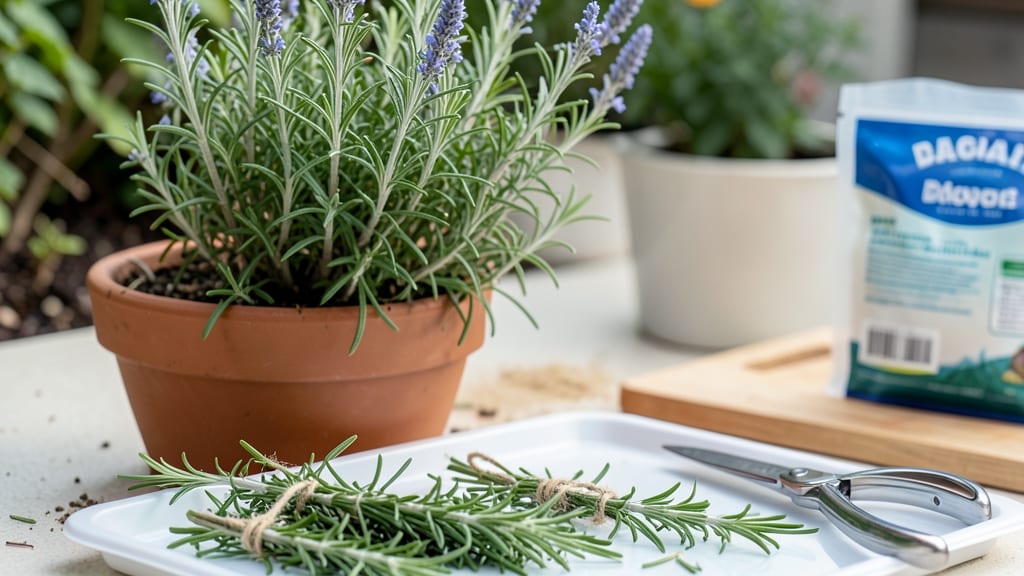
Freezing rosemary transforms summer's harvest into winter's secret ingredient. ✨ I've saved dozens of stems from my garden this way—each one packed with the same piney, bright flavor as the day I picked them.
The key is timing: harvest just before flowering when the oils are strongest, and dry thoroughly to prevent ice crystals from dulling the aroma.
You'll need fresh rosemary sprigs, paper towels, a sharp knife, freezer bags or containers, and optional ice cube trays for portion control. The process takes about 30 minutes from harvest to frozen storage, and the best part?
You can use these frozen sprigs directly in cooking without thawing—just toss them straight into soups, roasts, or marinades.
What you end up with is rosemary that stays vibrant for up to a year in the freezer, ready to elevate any dish. The needles retain their color and fragrance remarkably well, making it feel like summer in every bite.
I've even used frozen rosemary to make homemade herb blends that taste fresher than store-bought.
Works perfectly for gardeners who grow more than they can use fresh, or anyone who wants to reduce food waste. The method scales from small batches to large harvests—just adjust your storage containers accordingly. Here's how to do it right the first time.
📚 In This Guide
- What you need
- Instructions
- Tips and common mistakes
- Wrapping up and next steps
What you need
- ● Fresh rosemary sprigs: Harvest organic, pesticide-free rosemary (about 1–2 cups of trimmed sprigs). Choose stems with vibrant green leaves and minimal woody parts.
- ● High-quality freezer bags: Use quart-sized or gallon-sized ziplock freezer bags (preferably heavy-duty or vacuum-seal compatible to prevent freezer burn). Aim for 1–2 bags depending on yield.
- ● Paper towels or clean kitchen towel: 2–3 sheets to pat dry rosemary (excess moisture = ice crystals!).
- ● Sharp kitchen shears or scissors: For trimming stems to 3–4 inches (discard woody, yellowed, or damaged parts).
- ○ Optional: Parchment paper or silicone mat: Useful for flash-freezing sprigs individually before bagging (speeds up thawing later!).
- ● Vacuum sealer: Extends shelf life by 6+ months by removing air (great for bulk freezing!).
- ● Ice cube tray: For mini rosemary cubes—perfect for soups or marinades (use 1 tray per batch).
- ● Labeling supplies: Masking tape + marker to label bags with date and contents (trust us, you’ll thank yourself later!).
- ● Glove or tongs: Protects hands from rosemary’s sharp needles during trimming.
Step-by-Step instructions for freezing fresh rosemary
Preserving rosemary’s piney aroma is easier than you think—just follow these simple steps.
🌿 Step 1: Harvest and Prep the Rosemary
Pick healthy stems with 3-4 inches of growth—avoid woody, yellowed, or dried-out sprigs. Bundle stems in small groups (about ½ inch thick) and tie them loosely with kitchen twine. This keeps the leaves intact and prevents bruising.
Rinse the stems briefly under cool water to remove dirt, then pat dry with a clean towel or paper towels. Don’t soak the rosemary—excess moisture speeds up spoilage. Trim off any yellowed or damaged leaves, but leave the fresh, vibrant ones on the stems.
⏰ Step 2: Choose Your Freezing Method
For whole sprigs, lay the tied bundles on a baking sheet lined with parchment paper. Freeze uncovered for 1-2 hours until solid. This flash-freezing prevents clumping. For chopped rosemary, finely mince the stems (discard tough woody parts) and spread the leaves on the baking sheet in a single layer. Freeze for 30-60 minutes until firm.
I prefer freezing whole sprigs because they keep their flavor intensity better. Chopped rosemary works well for cooking but loses some aroma over time. Either way, avoid overcrowding on the tray—leaves should touch only at edges.
🪴 Step 3: Store in Airtight Containers
Transfer frozen rosemary to airtight freezer bags or glass containers with tight-sealing lids. Squeeze out excess air before sealing—oxygen degrades flavor faster. Label each container with the date and quantity (e.g., "Rosemary Sprigs – 12/2023"). For whole sprigs, store bundles upright to save space.
Use within 6-12 months for best flavor. Rosemary’s essential oils degrade over time, so prioritize using the oldest batches first. For chopped rosemary, portion into small bags (about ¼ cup per bag) to avoid repeated thawing.
💧 Step 4: Thaw and Use Properly
Thaw rosemary in the refrigerator overnight or directly in recipes—no need to defrost at room temperature. Whole sprigs can be added straight to soups, stews, or roasting pans. For chopped rosemary, sprinkle directly into dishes while cooking (never add raw—it tastes bitter).
Real talk: frozen rosemary won’t be as vibrant as fresh, but it still adds depth to dishes. I like using it in marinades, bread doughs, and slow-cooked meats where the flavor blends in. Avoid using it in salads or delicate dishes where texture matters.
Tips & tricks for perfectly preserved rosemary
Here's what nobody tells you about keeping rosemary's vibrant flavor locked in for months.
Selection Tip: Focus on stems with 3-4 inches of fresh green growth—avoid any with brown or woody sections. The younger, leafier stems hold more essential oils, which means better flavor after freezing. I learned this the hard way after freezing some tough, older sprigs that tasted bland later. Look for stems that bend slightly without snapping—they're perfect for freezing.
The Flash-Freeze Secret: That 1-2 hour uncovered freeze in Step 2 isn't just about preventing clumping—it's about creating an ice crystal barrier that protects the delicate oils. Spread your rosemary in a single layer with space between stems so air circulates. If you're short on time, 30 minutes will work for chopped rosemary, but whole sprigs need the full 1-2 hours to freeze completely through. Trust me on this.
Storage Wisdom: When transferring to freezer bags, press out as much air as possible before sealing—oxygen is the enemy of flavor preservation. For whole sprigs, store them upright in a standing position to save space and prevent crushing. Label your containers with both the date and what's inside (I use masking tape and a Sharpie). The 6-12 month window is ideal, but I've found that whole sprigs maintain better flavor for the full year if stored properly.
Thawing Hack: Never thaw rosemary at room temperature—it causes condensation that turns the leaves mushy. Instead, add frozen sprigs directly to hot dishes or let them thaw overnight in the fridge. For chopped rosemary, sprinkle it directly into hot oils or broths where it will thaw instantly. Remember, frozen rosemary should never be eaten raw—it loses its delicate flavor and can taste bitter.
Pro Tips for Freeze Rosemary From The Garden
- Here's what nobody tells you about keeping rosemary's vibrant flavor locked in for months.
- Selection Tip: Focus on stems with 3-4 inches of fresh green growth—avoid any with brown or woody sections.
- The Flash-Freeze Secret: That 1-2 hour uncovered freeze in Step 2 isn't just about preventing clumping—it's about creating an ice crystal barrier that protects the delicate oils.
Frequently asked questions
Got questions about freezing rosemary? You’re not alone!
Here are answers to the most common concerns—so you can preserve that fresh garden flavor like a pro.
Can I freeze rosemary with or without stems?
Both work, but removing stems first makes it easier to use later. Chop stems into 1-inch pieces for even freezing, or leave whole sprigs if you prefer. Just avoid large, woody stems—they can make your herbs tough when thawed.
How long does frozen rosemary stay fresh?
Frozen rosemary keeps its flavor for 6–12 months if stored properly in an airtight container or freezer bag. For best quality, use it within 6 months. Pro tip: Label bags with the date to track freshness!
Can I freeze rosemary in oil or butter?
Yes! For infused oils or butter, blend finely chopped rosemary with oil/butter, then freeze in ice cube trays. This works great for cooking, but avoid freezing plain oil—it can spoil. Use within 3 months for optimal flavor.
Why does my frozen rosemary turn brown or lose flavor?
Brown spots or dull flavor usually mean oxidation from air exposure. To prevent this:
- Pat rosemary completely dry before freezing.
- Use airtight containers or vacuum-seal bags.
- Avoid crushing sprigs—freeze whole or in small clumps.
What’s the best alternative if I don’t want to freeze rosemary?
Try these preservation methods:
- Drying: Hang sprigs upside down in a dark, dry place for 1–2 weeks.
- Rosemary salt: Mix dried rosemary with coarse salt (1:3 ratio).
- Infused vinegar: Steep sprigs in vinegar for 2–4 weeks, then strain.
Wrapping up and next steps
Freezing rosemary from your garden is a simple yet rewarding way to savor its bold, aromatic flavor long after the growing season ends.
With just a few tools and a little time, you’ll have a pantry staple ready to elevate everything from roasted meats to homemade bread. Don’t let fresh herbs go to waste—harvest, prep, and freeze with confidence!
Now that you’re equipped with the know-how, why not try freezing a batch today? Start small with a few sprigs, experiment with different recipes, and soon you’ll be the go-to chef for flavorful, homegrown dishes—no matter the season! 🌿✨