
Propagation
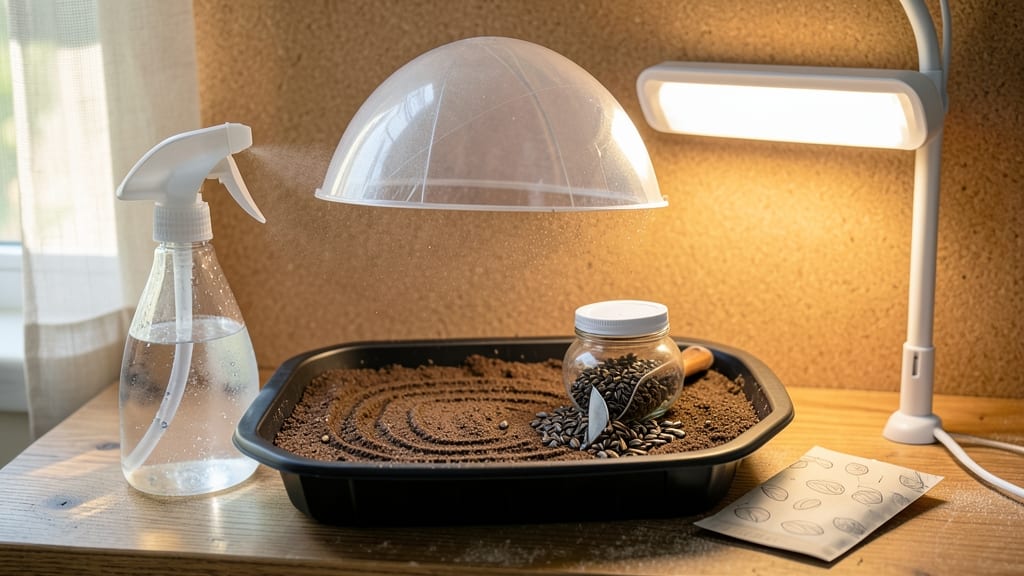
How to germinate marigolds in just 5-7 days with this damp paper towel trick—no fancy equipment needed. 🌱 I’ve struggled with slow germination before, but this method cuts the wait time by half while keeping mold at bay. The secret? A cozy, humid environment that mimics marigolds’ tropical roots. You’ll need only 3 supplies: marigold seeds, damp paper towels, and a clear plastic bag or container. No fancy seed-starting kits—just what’s already in your kitchen. The process is simple, but the timing is everything: keep the towels moist (not soggy) and place them in a warm spot, like on top of your fridge. Once those first tiny sprouts appear—bright green and eager—you’ll transplant them into soil within a week. The key is patience and consistency: check moisture daily and avoid direct sunlight until roots form. I’ve saved dozens of seedlings this way from my own botched attempts. This method works for all marigold varieties, from French to African types, and gives you a head start before the last frost. The payoff? Bursting pots of vibrant orange and gold blooms by summer. Let’s get those seeds sprouting!
📚 In This Guide
- What you need
- Instructions
- Tips and common mistakes
- Wrapping up and next steps
What you need
- ● Marigold seeds: Fresh, high-quality seeds (choose from varieties like French Marigold or African Marigold). Aim for 5–10 seeds per batch for experimentation.
- ● Paper towels: 2–3 sheets (thick, lint-free, like Viva or Bounty). Avoid recycled or textured towels—they can hinder moisture control.
- ● Spray bottle: A 16–32 oz misting bottle (like a Growers Best sprayer) for gentle hydration. Avoid soaking!
- ● Plastic bag or wrap: A ziplock bag or clear plastic wrap to create a humidity dome (8x10 inches or larger).
- ● Plate or shallow dish: A 9-inch diameter ceramic or glass dish to hold the setup.
- ○ Permanent marker: To label seeds by date/variety (optional but helpful!).
- ● Heating mat: A seedling heat mat (70–75°F range) to speed germination (especially for slow starters).
- ● Grow lights: A LED grow bulb (like a Samsung LM300) for post-sprout care if natural light is weak.
- ● Seedling trays: 2–4 inch biodegradable pots or a seed-starting tray for transplanting.
- ● Humidity dome: A clear plastic dome (for trays) to maintain moisture after transfer.
- ● Timer: A smart plug or app to track light cycles (12–16 hours/day).
Step-by-step instructions for germinating marigolds quickly
Skip the waiting game—these steps get your marigolds sprouting in days, not weeks.
🌱 Step 1: Soak Seeds to Kickstart Germination
Fill a small bowl with lukewarm water and add the marigold seeds. Let them soak for 12-24 hours—this softens the outer shell and speeds up sprouting. I like to use a clear bowl so I can watch the seeds swell slightly, which tells me they're ready.
After soaking, drain the water completely using a fine mesh strainer. Gently pat the seeds dry with a paper towel to prevent mold. This step is crucial—wet seeds left sitting will rot before they sprout. Place the damp seeds between two layers of paper towels and fold them into a loose packet.
💧 Step 2: Create a Humid, Warm Germination Environment
Place the seed packet inside a sealed plastic bag or a small container with a lid. This traps moisture and warmth, mimicking the ideal conditions for germination. I like to set it on top of my fridge or near a sunny window—marigolds germinate best at 70-75°F.
Check the seeds daily. Mist the paper towels lightly if they feel dry to the touch. You'll see the first signs of life in 3-5 days—tiny white roots breaking through the seed coat. This is the moment you've been waiting for, and it's a great excuse to celebrate your patience!
☀️ Step 3: Transfer Sprouted Seeds to Soil
Once the seeds have sprouted and the roots are ½ inch long, it's time to plant them. Fill small pots or seed trays with light, well-draining potting mix. Make a tiny hole—just enough to cradle the seed—about ¼ inch deep. Gently place each sprout into the hole, roots first.
Cover the seed lightly with soil and press down gently to secure it. Water lightly from the bottom of the pot to avoid disturbing the delicate sprouts. Place the pots in a warm, bright spot but avoid direct sunlight for the first 2-3 days. This helps the seedlings establish before facing stronger light.
🌿 Step 4: Provide Ideal Light and Care for Seedlings
After a few days, move the seedlings to a spot with bright, indirect light. If you don’t have a sunny windowsill, a grow light set 2-3 inches above the seedlings works perfectly. You’ll know they’re getting enough light when the leaves are a vibrant green and the stems are sturdy, not leggy.
Water the seedlings when the top inch of soil feels dry to the touch. Keep the soil consistently moist but not soggy—marigolds hate wet feet. In about 2-3 weeks, your seedlings will be ready to transplant into larger pots or the garden, where they’ll thrive and bloom beautifully.
Tips & tricks for germinating marigolds quickly
Here's what nobody tells you about speeding up those stubborn marigold seeds.
Soaking Secret: The 12-24 hour soak isn't just about softening—it's about breaking dormancy. I've found that using distilled water instead of tap water prevents chlorine exposure that can slow germination. Also, place your bowl in a warm spot (like near your coffee maker) to maintain that ideal 70-75°F range during soaking. You'll know it's working when seeds swell noticeably and feel slightly firmer to the touch.
Environmental Hack: Don't have a warm spot? Create one! Place your sealed germination container on top of your fridge (not inside) where it stays consistently warm. If that's not an option, try a seedling heat mat set to 75°F—they're affordable and work wonders. The key is maintaining that warmth without overheating, which can cook the seeds before they sprout.
Transplant Timing: That ½ inch root guideline is perfect, but watch for another visual cue: when the sprout's stem is about ¼ inch tall, it's ready for soil. I've seen seedlings with ½ inch roots but only ⅛ inch stems—these are too fragile. Wait until both conditions are met for best survival rates. This patience prevents the "root shock" that kills so many delicate sprouts.
Light Transition: The first 2-3 days of indirect light are critical, but here's the trick: if your seedlings look pale after that period, they need more light. Move them to a south-facing window or under grow lights immediately. Leggy seedlings with long stems between leaves mean they're stretching for light—this is your cue to increase light exposure gradually over 3-4 days rather than shocking them with full sun.
Pro Tips for Germinate Marigolds
- Here's what nobody tells you about speeding up those stubborn marigold seeds.
- Soaking Secret: The 12-24 hour soak isn't just about softening—it's about breaking dormancy.
- Environmental Hack: Don't have a warm spot?
Frequently asked questions
Got questions about germinating marigolds?
You’re not alone! Here are answers to the most common queries to help you grow confident, fast-sprouting marigolds—no guesswork required.
How long does it take for marigold seeds to germinate in a paper towel?
Marigold seeds typically sprout in 5–14 days when using the paper towel method, depending on temperature and seed freshness. Keep the setup in a warm spot (around 70–75°F) and check daily for tiny green sprouts. Patience pays off—don’t give up before day 14!
Can I speed up marigold germination?
For faster results, try these tricks:
- Warmth: Place your paper towel setup near a heat source (like a sunny window or seedling mat). Marigolds love warmth!
- Soak seeds: Pre-soak seeds in warm water for 4–6 hours before planting to kickstart germination.
- Light: Once sprouted, expose seedlings to bright, indirect light (no direct sun yet!) to prevent legginess.
What do I do if my marigold seeds won’t germinate?
If your seeds stay stubbornly dormant after 2 weeks, try troubleshooting:
- Check seed viability: Test a few seeds in warm water—if they sink, they’re likely viable. Floaters may be old or dead.
- Adjust moisture: Ensure the paper towel stays damp but not soggy. Too much water can suffocate seeds.
- Try a new batch: Seeds lose potency over time. If possible, source fresh seeds (store-bought or from a trusted grower).
Can I plant marigold seeds directly in soil instead of using a paper towel?
Yes! While the paper towel method speeds up germination, you can plant marigold seeds directly in soil. Sow seeds ¼ inch deep in warm, well-draining soil and keep it consistently moist. Germination may take slightly longer (7–21 days), but it’s a low-effort alternative for beginners.
What’s the best temperature for germinating marigold seeds?
Marigolds thrive in warmth. Aim for a consistent temperature between 70–85°F during germination. If your home runs cooler, use a seedling heat mat or place the setup on top of a refrigerator. Avoid cold drafts—marigolds hate them!
Wrapping up and next steps
Germinating marigolds in damp paper towels is a simple, fast, and rewarding way to kickstart your garden! With the right conditions—consistent moisture, warmth, and patience—you’ll see those first tiny sprouts in just a few days.
Once your seedlings are ready, it’s time to transplant them into soil and watch your vibrant blooms thrive. 🌱
You’ve got this! Now that your marigolds are sprouting, take the next step—prepare your garden beds, pots, or containers to give them a cozy new home. Happy growing! 🌸