
Pruning
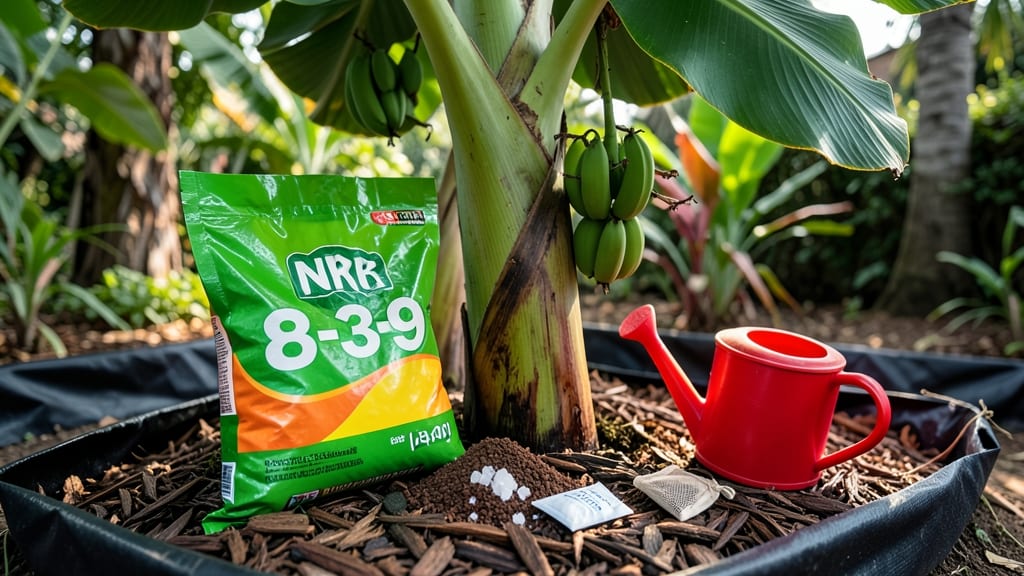
Getting your banana tree to fruit feels like unlocking a tropical treasure chest. 🌿 The secret isn't magic—it's matching sunlight, temperature, and care to what these plants crave.
My first banana tree took two years to fruit, but after adjusting just a few things, the second one bloomed in under a year.
You'll need a spot with full sun (at least 6-8 hours daily), warmth (above 60°F consistently), and rich, well-draining soil. Most home gardeners overwater or underfeed—banana trees need moist but not soggy soil and regular feeding with banana-specific fertilizer.
The key moment comes when you see that dramatic flower stalk emerge from the trunk.
Once blooming starts, protect those flowers from frost and pests. Hand-pollinate if bees aren't visiting, and watch for bunch development within weeks. With proper care, you'll harvest fruit in 6-9 months—sweet, creamy, and straight from your backyard. The first harvest changes everything about how you see your garden.
Works in zones 10-12 year-round, but container growers in cooler climates can bring trees indoors for winter. The process scales from patio pots to full-sized trees—just adjust the care to match your setup. Let's get those flowers blooming!
📚 In This Guide
- What you need
- Instructions
- Tips and common mistakes
- Wrapping up and next steps
What you need
- ● Banana tree (Musa spp.): A mature plant (at least 3–5 years old) with a pseudostem diameter of 12+ inches (signs of maturity!). High-phosphorus fertilizer: Look for a 5-10-10 or 3-12-6 NPK ratio (e.g., 10-20-10 for blooming boosts). 1–2 lbs per 100 sq ft of soil. Potassium-rich fertilizer: 0-0-50 or 0-10-20 (e.g., potassium sulfate) to support flower development. Apply ½ lb per tree every 4–6 weeks. Balanced micronutrients: Magnesium sulfate (Epsom salt) (1 tbsp per gallon of water) and boron (1–2 ppm) (critical for flowering!). Pruning tools: Sharp pruning shears (for trimming suckers). Sterilized pruning saw (for larger cuts). Gloves (banana sap can irritate skin!).
- ● Watering supplies: Drip irrigation system or soaker hoses (banana trees need 1.5–2 inches of water weekly). Moisture meter (to check soil 6–12 inches deep).
Step-by-step guide to encouraging banana tree flowering
Here’s how I’ve coaxed blooms from stubborn banana plants—no shortcuts, just science-backed care.
🌱 Step 1: Verify Your Plant’s Maturity and Health
Banana trees only flower when fully mature, typically after 18-24 months of growth and reaching at least 6 feet tall. Check for thick, sturdy pseudostems (the trunk-like structure) and large, healthy leaves—each new leaf should unfurl smoothly without tearing. If your plant is under 4 feet tall or has yellowing leaves, it’s not ready yet. I’ve seen growers rush flowering by forcing immature plants, but they’ll just waste energy and never produce fruit.
Look for new growth at the center of the plant—this is your first sign of readiness. Healthy banana trees have bright green leaves with no brown edges (a sign of nutrient deficiency or pest stress). If your plant is struggling, focus on consistent watering and balanced fertilizer before pushing for blooms.
☀️ Step 2: Provide the Right Light and Temperature Conditions
Banana trees thrive in full sun (6+ hours daily) and warmth (70-90°F). If your plant isn’t getting enough light, it won’t flower—leggy growth or pale leaves are red flags. Move it to a south-facing window or supplement with a grow light (12-14 hours/day) if indoors. I’ve seen banana trees in low light just keep producing leaves but never flower, no matter how much I fertilized them.
Temperature drops below 55°F can shock the plant and halt flowering. If you live in a cooler climate, grow your banana tree in a container so you can move it indoors during winter. Even a single night below 50°F can damage the plant’s ability to flower. Watch for leaf curling or dark spots—these are early warning signs of cold stress.
💧 Step 3: Adjust Watering and Fertilizer for Bloom Stimulation
Once your banana tree is mature, reduce watering slightly to encourage flowering. Overwatering keeps the plant in a vegetative state. Let the top 2-3 inches of soil dry out between waterings—you’ll see the leaves slightly droop in the afternoon, which is normal. I water mine every 3-4 days in summer, but adjust based on your climate. Too much water = no flowers; too little = stressed plant.
Switch to a high-potassium fertilizer (like 10-10-20) to signal the plant it’s time to flower. Apply it every 4-6 weeks during the growing season. Avoid nitrogen-heavy fertilizers—they promote leaf growth but delay blooms. I’ve also had success with banana tree-specific bloom boosters, which contain natural hormones to trigger flowering. Follow the package instructions closely—over-fertilizing can burn the roots.
⏰ Step 4: Trigger Flowering with Strategic Stress (When Ready)
Banana trees often need a mild stress signal to flower. Once mature, reduce water for 2-3 weeks until the soil is bone-dry 4 inches down. This mimics the natural dry season in tropical climates. Don’t let the plant wilt completely—just encourage slight stress. You’ll see the central leaves start to yellow, which is normal. This is the plant’s way of saying, “Okay, it’s time to reproduce.”
After this dry period, resume normal watering and watch closely. Within 2-4 weeks, you should see a tight bud emerge at the center of the plant. This is the inflorescence, or flower stalk. If nothing happens after 6 weeks, your plant may still need more time or better conditions. Patience is key—rushing this step often backfires.
🌿 Step 5: Protect and Support the Flowering Process
Once the flower stalk appears, protect it from wind and pests. Banana flowers are delicate, and strong breezes can damage them. If growing outdoors, consider staking the stalk with soft ties to keep it upright. I’ve also used lightweight mesh around the flower to deter birds and insects, which love banana blossoms but can destroy them.
Continue with balanced fertilization (low nitrogen, high potassium) to support fruit development. Avoid heavy pruning during this time—only remove yellow or dead leaves to redirect energy to the fruit. Watch for small green clusters forming along the stalk—these will turn into bananas in 3-6 months, depending on the variety. If the flower stalk dries up without producing fruit, your plant may need another round of stress or better conditions next season.
Tips & tricks for encouraging banana tree flowering
These science-backed strategies will help you coax blooms from your banana tree—without the guesswork.
Maturity Check: The 18-24 month maturity timeline is non-negotiable. I’ve seen growers impatiently force flowering on younger plants, only to watch them expend energy without producing fruit. Look for new central growth and 6-foot height—these are your clearest indicators. If your plant is smaller, focus on consistent care first: full sun exposure and balanced fertilization will accelerate growth naturally. Remember, rushing this step often leads to wasted resources and no fruit.
Light and Temperature Strategy: Banana trees need 6+ hours of direct sunlight daily to trigger flowering hormones. If you’re growing indoors, supplement with a grow light (12-14 hours/day)—I’ve seen dramatic results using full-spectrum LED grow lights positioned 12-18 inches above the plant. For temperature, maintain 70-90°F consistently; even a single night below 50°F can permanently disrupt flowering. In cooler climates, use black plastic mulch around the base to absorb and retain heat during the day.
Stress Timing: The 2-3 week dry period in Step 4 is where most growers go wrong. You’re not trying to kill the plant—just signal it’s time to reproduce. Check soil moisture by inserting your finger 4 inches down; it should feel completely dry. Watch for slight leaf droop in the afternoon (a normal stress response) and yellowing central leaves. This is the plant’s biological cue to flower. After this period, resume watering immediately—delaying beyond 6 weeks without results means you’ll need to reassess conditions.
Post-Flowering Protection: Once that delicate inflorescence appears, treat it like a VIP guest. Use soft plant ties to stake the stalk if growing outdoors, and consider lightweight mesh netting to deter birds and insects. I’ve lost multiple banana flowers to curious birds—trust me, it’s heartbreaking. For container-grown plants, move them to a sheltered location during windy conditions. The 3-6 month fruit development period requires patience, but proper protection ensures you’ll actually get to harvest those bananas.
Pro Tips for Get Banana Tree To Fruit
- These science-backed strategies will help you coax blooms from your banana tree—without the guesswork.
- Maturity Check: The 18-24 month maturity timeline is non-negotiable.
- Light and Temperature Strategy: Banana trees need 6+ hours of direct sunlight daily to trigger flowering hormones.
Frequently asked questions
Got questions about coaxing fruit from your banana tree? You’re not alone—growing bananas at home comes with its own set of curiosities! Here are some of the most common queries, answered straight and simple.
How long does it take for a banana tree to produce fruit after planting?
A healthy banana tree typically takes 9–18 months to fruit after planting, depending on the variety and growing conditions. Dwarf varieties (like ‘Dwarf Cavendish’) often fruit faster—sometimes in as little as 6–12 months—while larger types may take longer. Patience is key, but proper care (like sunlight, water, and fertilizer) can speed up the process!
Why isn’t my banana tree flowering or fruiting?
Banana trees won’t fruit without a few key triggers: mature size (usually 3–5 feet tall), enough sunlight (6+ hours daily), and proper nutrients (potassium-rich fertilizer). Cold drafts, overwatering, or lack of sunlight can also stall flowering. If your tree is healthy but still not blooming, try these bloom-inducing tips—like reducing water slightly or using a banana tree-specific fertilizer.
Can I force a banana tree to fruit indoors?
Indoor banana trees (Musa spp.) can fruit, but it’s challenging without ideal conditions. You’ll need bright, indirect light (grow lights help), warm temps (70–85°F), and a large pot (20+ gallons). Dwarf varieties like ‘Ice Cream’ or ‘Red Dwarf’ are better bets. If your tree is indoors, rotate it often for even growth and mimic seasonal changes (like slightly cooler nights) to encourage flowering.
What’s the best fertilizer for banana trees to produce fruit?
Use a balanced, potassium-rich fertilizer (like 10-10-10 or 8-3-9) during the growing season, then switch to a high-potassium formula (e.g., 0-10-10) when flower buds appear. Organic options like banana peel tea, wood ash, or composted manure also work. Feed every 4–6 weeks in warm months, but reduce in winter when growth slows.
Can I grow bananas from a store-bought banana?
Yes, but it’s a long shot for fruit—store bananas are often sterile hybrids. Try it for fun:
- Save a few seeds from the fruit (they’re tiny and hard to find!).
- Plant them in moist potting mix and keep warm (70°F+).
- Seedlings take years to mature and fruit (if they do at all).
Pro Tip:
Need a quick fix? Hand-pollinate your banana tree by gently shaking the flower stalk to release pollen. This mimics nature and can help fruit set—especially in greenhouses or areas with few pollinators!
Wrapping up and next steps
Growing bananas at home is a rewarding journey—one that blends patience, care, and a little botanical know-how! 🌱 By ensuring your banana tree gets the right light, nutrients, and environmental conditions, you’ve set the stage for those coveted fruit bunches.
Remember, consistency is key: prune wisely, monitor health, and stay attentive to blooming cues. With time, your efforts will bloom into a bountiful harvest that’s as satisfying as it is delicious.
Ready to take the next step? Start small—plant a single tree, experiment with these tips, and let your green thumb guide you. Before you know it, you’ll be sharing fresh bananas with neighbors (or freezing them for smoothies!). Happy growing! 🍌✨