
Blooming
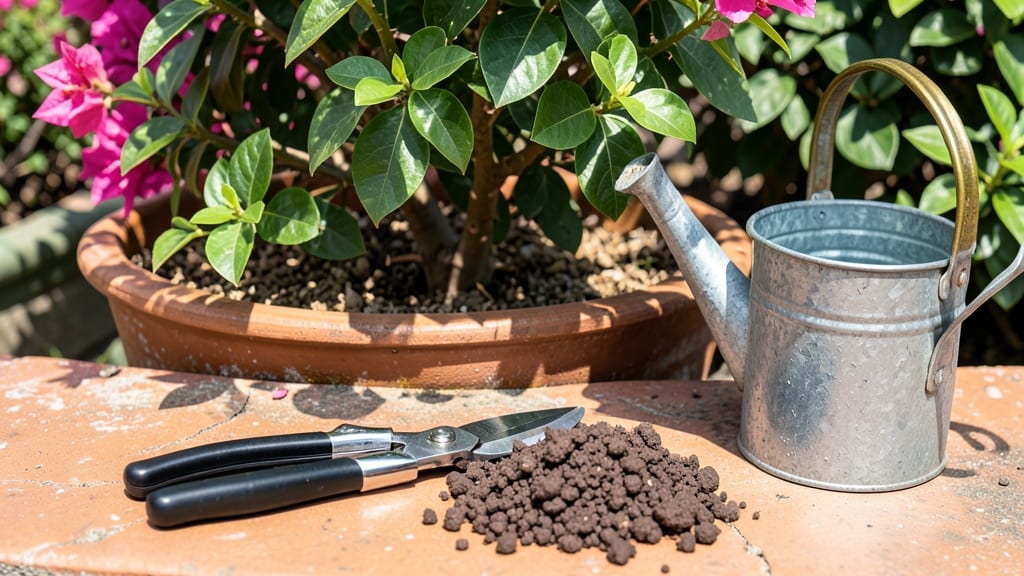
How to get your bougainvillea to flower more—the vibrant blooms you crave are hiding until now. 🌸 After years of struggling with my own stubborn plants, I’ve cracked the code: prune right, feed smart, and chase sunlight like a pro. The difference is night-and-day once you understand what these plants really need to thrive. Most gardeners over-prune or underfeed, both of which kill blooms. I learned the hard way: cut back too much in winter, and you’ll get leggy stems with no flowers. Too little sunlight? Forget it—bougainvillea demands 6+ hours of direct sun daily, no excuses. The key is balancing pruning (just the tips, not the whole plant) and feeding with high-phosphorus fertilizer every 6-8 weeks. By summer’s end, you’ll have dense clusters of color that last from spring through fall. The secret’s in the timing: prune after blooms fade, feed when new growth starts, and never let the soil dry out completely. It’s not magic—just science you can replicate. Works for patio pots, trellises, or ground covers. Let’s turn those bare stems into a floral explosion!
📚 In This Guide
- What you need
- Instructions
- Tips and common mistakes
- Wrapping up and next steps
What you need
- ● Bougainvillea plant – Healthy, mature (at least 1–2 years old for best results).
- ● Pruning shears – Sharp, clean, and sterilized (rubbing alcohol or bleach solution). Size: 5–8 inches for precision cuts.
- ● Gloves – Garden-grade (thick, cut-resistant) to protect from thorns.
- ● Balanced fertilizer – 10-10-10 or 20-20-20 NPK ratio (or a phosphorus-rich option like 5-10-10 for blooms). Quantity: 1–2 tbsp per plant, every 4–6 weeks during growing season.
- ○ Slow-release granules – Optional but helpful (e.g., Osmocote 14-14-14). Quantity: Follow package instructions (typically 1–2 cups per plant).
- ● Mulch – Organic (e.g., shredded bark, compost). Thickness: 2–3 inches to retain moisture.
- ● Watering can or hose – With a gentle spray nozzle to avoid damaging flowers.
- ○ pH test kit – To check soil acidity (ideal range: 6.0–7.0). Optional but recommended for troubleshooting.
- ● Full sun exposure – 6+ hours of direct sunlight daily (critical for blooming!).
- ● Well-draining soil – Avoid soggy roots! Mix in perlite or sand if soil is heavy clay.
- ● Warmth – Bougainvillea thrives in USDA Zones 9–11. In colder climates, grow in containers and bring indoors during winter.
- ● 🔥 Prune at the right time: Early spring (before new growth) or late winter for best results.
- ● 🌡️ Monitor temps: If nights dip below 50°F (10°C), protect plants with frost cloth.
- ● ✨ Boost blooms: A light pink or purple fertilizer (like Miracle-Gro Bloom Booster) can enhance color.
Step-by-Step instructions for maximizing bougainvillea blooms
Here’s how I transform bougainvillea from sparse blooms to vibrant, continuous flowering—no mystery fertilizers or complicated tricks.
🌿 Step 1: Prune for Airflow and Sun Exposure
Prune in late winter or early spring, just as new growth begins. I cut back one-third of the plant’s length, focusing on leggy stems and crossing branches. This isn’t about shaping—it’s about forcing energy into fresh, sun-exposed growth where flowers form. Use clean, sharp pruners to avoid tearing stems, and make cuts just above a leaf node or bud.
Watch for new shoots emerging within 2-3 weeks—these are your future flowering stems. If you prune too late in the season, you’ll sacrifice blooms for next year’s growth. And don’t overdo it: bougainvillea flowers on new wood, so aggressive pruning in summer can stunt flowering entirely.
☀️ Step 2: Position for Full Sun and Heat
Bougainvillea thrives in at least 6-8 hours of direct sun daily, but more is better. I place mine in south-facing spots where they get afternoon sun—this mimics their native tropical climate. If your bougainvillea is flowering poorly, check its location: shady spots produce lush foliage but few blooms.
In cooler climates, move potted bougainvillea indoors during winter (near a sunny window) and bring it back outside in spring. The shock of warm sun triggers a flush of new growth and flowers. If you notice leggy, sparse stems, it’s a sign of insufficient light—adjust immediately.
💧 Step 3: Water Deeply but Infrequently
Bougainvillea detests soggy roots, so I water deeply every 7-10 days (adjust for clay vs. sandy soil) until water runs out the drainage holes. The key is drought stress—this plant flowers best when slightly thirsty. If you water lightly daily, you’ll encourage weak growth and fewer blooms. Let the top 2-3 inches of soil dry completely between waterings.
Overwatering is the #1 mistake—it causes root rot and yellowing leaves. If your bougainvillea’s leaves start dropping, you’re likely watering too much. Mulch around the base with 2-3 inches of organic mulch (like bark chips) to retain moisture without smothering roots.
✂️ Step 4: Feed with Phosphorus-Rich Fertilizer
Bougainvillea blooms thrive on phosphorus, so I switch to a balanced 10-20-10 or 5-10-5 fertilizer in early spring. Apply every 4-6 weeks during the growing season (April through September), following label rates. Avoid high-nitrogen fertilizers—they promote leafy growth at the expense of flowers. I also add a slow-release phosphorus pellet to the soil in spring for a steady bloom boost.
Watch for new flower buds forming within 3-4 weeks after feeding. If you see mostly green growth with no buds, cut back on nitrogen and increase phosphorus. And don’t fertilize in winter—bougainvillea rests then, and extra nutrients just waste resources.
🌱 Step 5: Deadhead and Encourage Continuous Blooms
Snip off spent blooms just above a leaf node to redirect the plant’s energy into new flowers. I do this every 2-3 weeks during the blooming season. The plant will respond by producing new clusters within 10-14 days. Deadheading isn’t optional—it’s how you keep bougainvillea flowering nonstop.
If your bougainvillea flowers heavily for a few weeks then stops, it’s likely due to nutrient exhaustion or lack of pruning. At this point, I’ll give it a light trim to encourage fresh growth and another round of phosphorus fertilizer. The goal is to keep it in a constant cycle of new shoots and blooms all season long.
Tips & tricks for maximizing bougainvillea blooms
These simple yet powerful adjustments will help you coax more vibrant blooms from your bougainvillea—without the guesswork.
Light and Heat Optimization: The 6 hours of direct sunlight mentioned in Step 1 is your baseline, but don't stop there. Rotate your plant every few days so all sides get equal exposure—this prevents lopsided growth where only one side flowers. For container plants, place them on a rolling cart or use a lazy Susan to easily reposition them. In cooler climates, supplement with a grow light for 4-6 hours daily during winter months. The 70-90°F sweet spot isn't just about warmth—it's about consistent heat. Sudden temperature swings below 60°F can shock the plant and halt bud formation.
Pruning Precision: When you're cutting back those one-third of oldest stems in Step 2, focus on stems that are thicker than a pencil—these are the energy hogs that produce fewer flowers. Make your 45-degree cuts just above a leaf node (where new growth emerges), and avoid cutting into the green, growing tips. I've found that using a sterilized razor blade for small cuts gives cleaner results than pruners, especially for delicate new shoots. The goal is to create a bushy, multi-branched structure where flowers can form along the new growth.
Watering Wisdom: The 2-inch soil dryness test in Step 3 is your best friend, but here's the secret: water deeply but infrequently. Let the soil dry completely between waterings—this mimics their native dry climates. I use a moisture meter to verify dryness, especially in containers where soil dries faster. For potted plants, elevate them on feet or bricks to improve drainage and prevent water pooling at the bottom. Overwatering is the #1 cause of bud drop, so when in doubt, wait another day before watering.
Fertilizer Strategy: That 10-10-10 balanced fertilizer should be diluted to half-strength during the 2-3 week feeding schedule—bougainvilleas are sensitive to salt buildup from concentrated fertilizers. Switch to a low-nitrogen, high-phosphorus formula (like 5-10-10) in late summer to encourage more blooms. I've had success with fish emulsion as a natural alternative, using it every 4 weeks at half the recommended strength. The key is consistency—missed feedings cause bud formation to stall, so set calendar reminders during growing season.
Pro Tips for Get Bougainvillea To Flower More
- These simple yet powerful adjustments will help you coax more vibrant blooms from your bougainvillea—without the guesswork.
- Light and Heat Optimization: The 6 hours of direct sunlight mentioned in Step 1 is your baseline, but don't stop there.
- Pruning Precision: When you're cutting back those one-third of oldest stems in Step 2, focus on stems that are thicker than a pencil—these are the energy hogs that produce fewer flowers.
Frequently asked questions
about getting your bougainvillea to burst into more vibrant blooms—because every gardener deserves a showstopper!Why isn’t my bougainvillea flowering even though it’s getting lots of sun?
Bougainvillea needs bright, direct sunlight (6+ hours daily) AND stress—like slightly dry soil—to trigger blooms. If it’s overwatered or shaded, it’ll focus on leaves instead. Try letting the top inch of soil dry out between waterings and prune leggy growth to encourage new, blooming stems.
How long does it take for bougainvillea to flower after pruning?
With proper care, you’ll see new blooms in 4–8 weeks after pruning. The key is timing: Prune right after flowering (late winter/early spring) to promote fresh growth. Pro tip: Use sharp shears to avoid tearing stems—clean cuts heal faster! ⌂
Can I force bougainvillea to bloom indoors?
Outdoor bougainvillea thrives in USDA Zones 9–11; indoors, it’s tricky but possible with bright grow lights (12+ hours/day), well-draining pots, and a winter rest period (cooler temps, less water). Expect fewer blooms—think of it as a "bonus" for patience!
What should I do if my bougainvillea only has leaves and no flowers?
Leafy but flowerless bougainvillea is usually overfed or underwatered. Troubleshoot:
- Reduce fertilizer (half-strength, balanced formula, spring/summer only).
- Let soil dry between waterings—root rot kills blooms!
- Prune 1/3 of the plant to redirect energy to flowering.
Are there bougainvillea varieties that flower more easily?
Yes! ‘San Diego Red’ and ‘California Gold’ are prolific bloomers, while ‘Double Pink’ offers dramatic flowers (but may bloom less). For low-maintenance options, try ‘Raspberry Ice’—it’s drought-tolerant and flowers reliably with minimal fuss.
Wrapping up and next steps
Getting your bougainvillea to burst into vibrant blooms is all about patience, consistency, and a little extra TLC! 🌸 With the right balance of sunlight, pruning, and fertilization, you’ll soon be rewarded with a stunning floral display.
Remember, every plant has its rhythm—trust the process, and don’t hesitate to experiment with what works best for your climate.
Ready to see those flowers flourish? Start small: pick one tip from this guide—like adjusting sunlight or pruning—and observe the changes. Over time, you’ll master the art of coaxing out those breathtaking blooms! 🌞✨