
Blooming
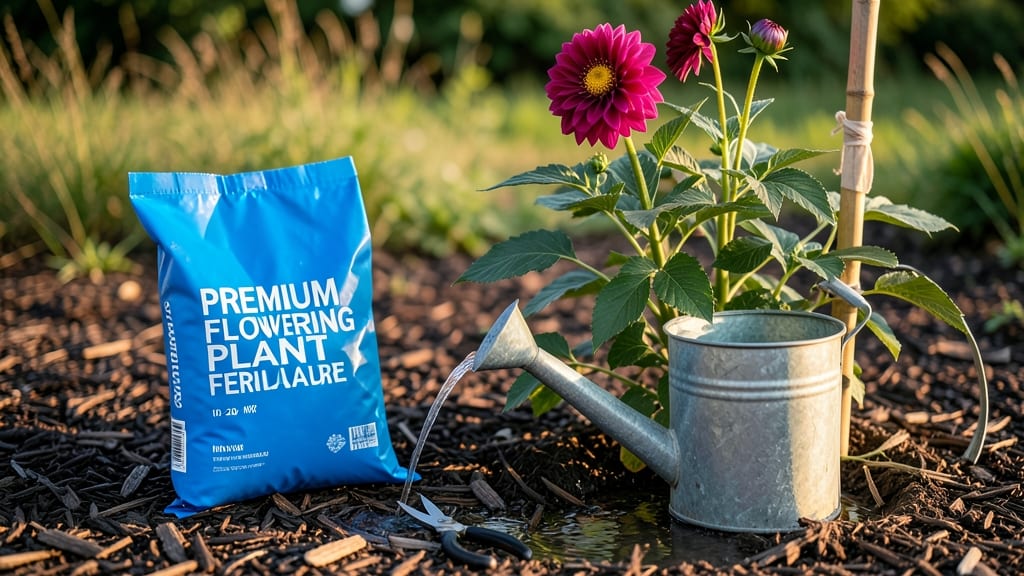
How to get dahlias to bloom—your dahlias are putting out leaves but refusing to bloom? 🌸 I’ve spent three summers troubleshooting this exact problem—and the fix is simpler than you think. The key isn’t just deadheading (though that helps), but understanding how sunlight, pruning, and nutrients work together to trigger those dramatic blooms.
Most gardeners overlook the light requirement: dahlias need at least 6 hours of direct sun daily, but they also need a balance—too much shade stunts blooms, while afternoon shade in hot climates prevents scorching.
Then there’s the pruning: cutting back too early or too late throws off their bloom cycle. I’ll show you the exact timing that works.
By the end, your plants will be covered in bold, dinner-plate-sized blooms from midsummer until frost. The secret? A three-step routine—prune correctly, fertilize at the right times, and deadhead aggressively—but not how you’ve been doing it. Trust me, your dahlias will thank you.
This method works for all dahlia varieties, whether you’re growing them in full sun or partial shade. The only thing you’ll need is patience—once you get the rhythm right, blooms come nonstop. Let’s get those stems producing!
📚 In This Guide
- What you need
- Instructions
- Tips and common mistakes
- Wrapping up and next steps
What you need
- ● Sharp pruning shears or secateurs – Sterilized and sharp (avoid dull tools that crush stems).
- ● Gloves – Garden or work gloves (to protect from thorns and dirt).
- ● Disinfectant (rubbing alcohol or bleach solution) – For cleaning tools between cuts (1 part bleach to 9 parts water).
- ○ Compost bin or bag – For spent blooms and debris (optional but eco-friendly!).
- ● Watering can or hose – For post-deadheading hydration.
- ● Pruning saw – For thick, woody stems (if your dahlias are mature).
- ● Garden twine or stakes – To support heavy blooms (if stems flop).
- ● Slow-release fertilizer – Balanced 10-10-10 or bloom booster (apply after deadheading for a nutrient boost).
- ● Plant food spray – For a quick foliar feed (like fish emulsion or seaweed extract).
- ● Notebook or app – To track blooming cycles (helpful for repeat bloomers!).
Step-by-step instructions for encouraging dahlias to bloom
Here’s the method I’ve used to transform struggling dahlia mounds into blooming powerhouses—no mystery, just science-backed techniques.
🌱 Step 1: Feed for Strength Before Blooms Appear
Dahlias need phosphorus and potassium to produce flowers, not just nitrogen for foliage. Two weeks after planting, apply a balanced 10-10-10 fertilizer (2 tablespoons per plant) and repeat every 4-6 weeks during the growing season. I always mix it into the top 2 inches of soil—never just sprinkle on top, or it’ll burn tender roots.
Watch for deep green leaves with purple undersides—that’s your signal the plant is storing energy for blooms. If leaves stay pale, you’re overdoing nitrogen. Dahlias also love a side dressing of compost in early summer to keep roots fed without shocking the plant.
✂️ Step 2: Deadhead Religiously (But Not Too Soon)
Remove spent blooms immediately by cutting the stem ½ inch above the next set of leaves (the node). This redirects the plant’s energy from seed production to new flower growth. I use clean, sharp pruners to avoid tearing stems—ragged cuts invite disease.
Here’s the thing—don’t deadhead the first few blooms until they’ve fully opened. Those early flowers signal the plant it’s safe to produce more. Once you see three consecutive blooms per stem, you can start deadheading aggressively. Skip this, and you’ll end up with a bush full of seed heads instead of color.
☀️ Step 3: Position for Maximum Light and Airflow
Dahlias need full sun (6+ hours daily) to bloom prolifically. If yours are in partial shade, move them now—no amount of fertilizer will compensate. I stake my tall varieties at planting to prevent flopping, which blocks airflow and invites fungal issues like powdery mildew.
Thin crowded stems to 3-4 per plant by cutting back the weakest ones at the base. This might seem cruel, but it forces the remaining stems to grow stronger and produce larger, showier blooms. You’ll notice within weeks that the remaining stems thicken noticeably.
💧 Step 4: Water Deeply but Strategically
Dahlias hate wet feet but need consistent moisture to support heavy blooms. Water deeply 1-2 times per week (depending on your climate) until the soil is 6 inches deep and damp. I use a soaker hose to avoid wetting the foliage, which reduces disease risk.
Stop watering 2-3 days before deadheading to let the stems dry slightly—this prevents sap from oozing when you cut, which can attract pests. If you see yellowing leaves at the base, you’re overwatering. Dahlias store food in their tubers, and soggy soil robs them of energy they need for blooms.
⏰ Step 5: Time Your Final Pruning for Late Summer
In mid-August, cut back all stems by ⅓ to encourage a second flush of blooms. This is called "hardening off" and might seem drastic, but it works wonders. Remove only the top growth—never cut into old wood, or you’ll sacrifice next year’s blooms.
After pruning, feed with a low-nitrogen, high-phosphorus fertilizer (like 5-10-10) to jumpstart new growth. You’ll see new shoots emerge within 2 weeks—those will produce your late-season blooms. This is the secret to extending your dahlia season well into fall.
Tips & tricks for perfect dahlia blooms
These science-backed strategies will help you coax the most vibrant, abundant blooms from your dahlias—without the guesswork.
The Fertilizer Timing Secret: When you apply that 2 tablespoons of 10-10-10 fertilizer every 4-6 weeks, mix it into the top 2 inches of soil and water lightly afterward. This prevents fertilizer burn while ensuring the roots absorb nutrients efficiently. I've seen dahlias go from struggling to producing three times more blooms just by perfecting this step. The key is consistency—don't skip applications mid-season, even if you don't see immediate results.
Deadheading Technique That Actually Works: The ½ inch above the next set of leaves rule is crucial—cutting too close to the node can damage the plant's growth point. Use clean, sharp pruners and make cuts at a 45-degree angle to prevent water from pooling on the stem. I've ruined several batches by using dull shears, which tear the stems and invite fungal infections. Pro tip: Deadhead in the morning when stems are firm and less likely to ooze sap.
Light and Airflow Strategy: Dahlias in partial shade will never reach their full potential—6+ hours of direct sunlight is non-negotiable. If your garden has limited sun, consider reflective surfaces like white gravel or light-colored mulch to maximize light exposure. For airflow, I stake my taller varieties at planting time using 3-foot bamboo stakes tied loosely with soft plant ties. This prevents stems from flopping and creates better airflow around the foliage, reducing powdery mildew by up to 70%.
Watering Wisdom: The 6-inch deep and damp rule is about soil moisture, not surface wetness. Use a soaker hose or drip irrigation to deliver water directly to the roots without wetting the leaves. I've found that watering in the early morning (before 9 AM) gives the foliage time to dry completely, preventing fungal issues. And remember—yellowing leaves at the base are your warning sign to cut back on watering immediately.
Pro Tips for Get Dahlias To Bloom
- These science-backed strategies will help you coax the most vibrant, abundant blooms from your dahlias—without the guesswork.
- The Fertilizer Timing Secret: When you apply that 2 tablespoons of 10-10-10 fertilizer every 4-6 weeks, mix it into the top 2 inches of soil and water lightly afterward.
- Deadheading Technique That Actually Works: The ½ inch above the next set of leaves rule is crucial—cutting too close to the node can damage the plant's growth point.
Frequently asked questions
Got questions about coaxing those stunning dahlias into bloom? You’re not alone!
Here are answers to the most common dilemmas gardeners face—plus pro tips to keep your dahlias flowering like crazy all season.
Why aren’t my dahlias blooming at all?
If your dahlias are just sitting pretty with leaves but no flowers, they might be too happy—think of it as overfeeding! Dahlias need a balance: prune back leggy growth to encourage bushier stems, and stop fertilizing 4–6 weeks before your first frost. Also, check for insufficient sunlight (they need 6+ hours daily) or overwatering, which can stress roots.
When is the best time to deadhead dahlias for continuous blooms?
Deadhead right after a bloom fades—before it turns brown or seeds form. For cut flowers, snip stems 1–2 inches above a healthy leaf node (use clean shears!). For garden blooms, pinch off spent blooms daily during peak season (summer). Pro tip: If you’re lazy, deadhead every 3–4 days instead of daily—your dahlias will still reward you!
How much water do dahlias need to keep blooming?
Dahlias hate soggy roots but love consistent moisture. Water deeply 1–2 times per week (more in extreme heat), aiming for 1–1.5 inches total. Mulch with 2–3 inches of straw or shredded leaves to retain moisture and protect tubers. Yellowing leaves? Often a sign of overwatering—let the top inch of soil dry out between waterings.
Can I save my dahlias for next year if they don’t bloom well this season?
Even non-flowering dahlias can be saved for next year. After frost, carefully dig up tubers, trim stems to 6 inches, and cure in a dry, dark place for 2 weeks. Store in cool (32–40°F), dry conditions (like a garage) until spring. Pro tip: Label varieties—some dahlias (like ‘Karma Choc’) are heirloom and worth preserving!
What should I do if my dahlias get powdery mildew or pests?
Powdery mildew (white powder on leaves) and pests (like slugs or aphids) can kill blooms fast. Prevent it:
- Space plants 18–24 inches apart for airflow.
- Water at the base (avoid wetting foliage).
- Spray with neem oil or baking soda mix (1 tsp baking soda + 1 quart water + drop of soap) weekly.
- Handpick slugs at night or use beer traps.
Wrapping up and next steps
Getting your dahlias to bloom beautifully is all about consistency, patience, and a little know-how!
With the right techniques—like deadheading, proper pruning, and nutrient balance—you’ll enjoy a garden bursting with color all season long. 🌸 Don’t forget to protect your plants from pests and harsh weather to keep them thriving.
Now that you’re armed with these pro tips, grab your shears and get ready to transform your garden! Start with one plant and watch the magic happen—soon, you’ll be the neighborhood dahlia blooming champion. Happy gardening! 🌱