
Pests
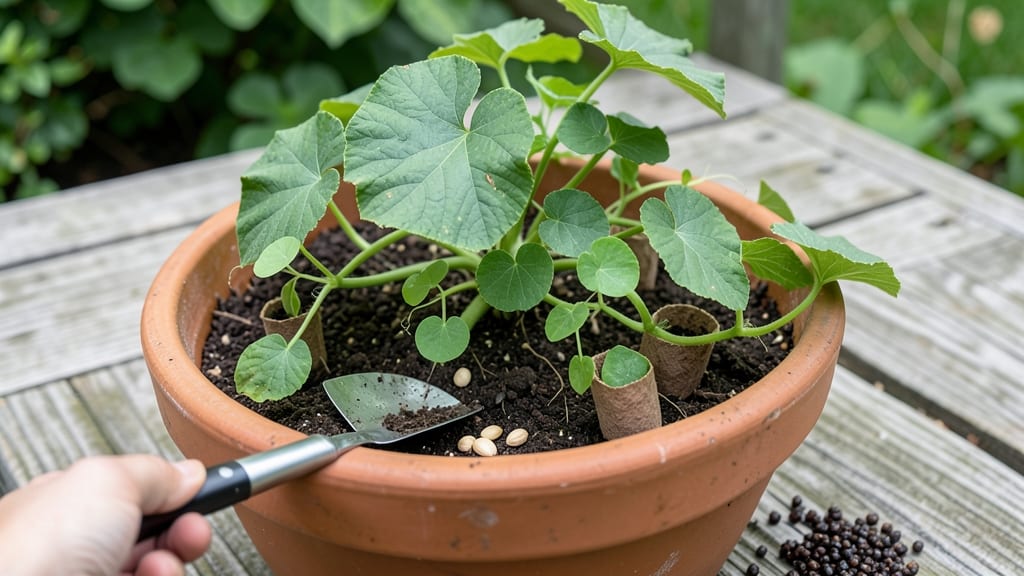
How to get pot pumpkin seeds sprouting without squirrels and chipmunks stealing them is easier than you think! 🌱 I’ve lost three planting attempts to hungry rodents digging up my containers—until I found these humane barriers that actually work without harming wildlife. The trick isn’t fancy hardware but simple, layered defenses: hardware cloth buried deep, raised pots with no ground access, and a 3-inch lip around container edges to block tiny paws. Even my neighbor’s raccoons gave up after trying (and failing) to climb over. You’ll see seeds germinate within 7-10 days without rodent interference, and plants grow strong enough to outcompete weeds. No more replanting—just one successful harvest from the start. Works for any container size, from 5-gallon buckets to half-barrels. Let’s keep those seeds safe!
📚 In This Guide
- What you need
- Instructions
- Tips and common mistakes
- Wrapping up and next steps
What you need
- ● Hardware cloth or heavy-duty wire mesh: 1/4-inch (6mm) or smaller mesh (rodents can squeeze through larger gaps!)
- ● Enough to cover vulnerable areas (e.g., 4' x 8' sheets for garden beds or raised beds).
- ● Staple gun + heavy-duty staples: For securing mesh to wood, fences, or raised beds.
- ● Bending pliers or wire cutters: To shape and trim mesh without fraying.
- ● Measuring tape & pencil: For precise cutting and placement.
- ● Outdoor-rated screws or U-shaped staples: To attach mesh to wooden structures or fences.
- ○ Gloves (optional but recommended): Wire mesh can be sharp!
- ● Burlap or landscape fabric: Line the inside of mesh to deter burrowing (rodents dislike the texture).
- ● Non-toxic rodent repellent granules: Sprinkle outside the barrier (e.g., castor oil-based or peppermint-soaked cotton balls).
- ● Decorative rocks or mulch: Cover the top edge of the barrier to make it less appealing to climb.
- ● Post-hole digger or stakes: If installing freestanding barriers (e.g., wire mesh cylinders around pumpkin patches).
- ○ Spray paint (optional): Camouflage mesh to blend with your garden (e.g., green or brown paint).
Step-by-Step guide to protecting pumpkins from rodent digging
Here's how I keep my pumpkins safe from determined squirrels and raccoons without harming wildlife.
🪴 Step 1: Build a Sturdy Wire Cage Around Each Pumpkin
Use 1/4-inch hardware cloth to construct a cylinder around each pumpkin vine, extending it 12-18 inches high and burying the bottom edge 6 inches deep to prevent digging. I fold the top edge outward slightly to discourage climbing. The cage should be snug but not crushing—pumpkins need room to grow.
For a four-pumpkin patch, I create individual cages rather than one large enclosure. This prevents rodents from tunneling between plants and gives each pumpkin equal protection. Secure the wire with zip ties every 12 inches to maintain shape as vines grow. The hardware cloth blocks both digging and chewing while allowing sunlight and airflow.
🌱 Step 2: Create a Physical Barrier at Planting Time
Before planting, lay down a 3-foot wide strip of landscape fabric around the planting area and extend it outward 2 feet beyond the expected vine spread. Bury the edges 4-6 inches deep to block burrowing. I use a garden spade to create a shallow trench along the fabric's perimeter, then fold the edges inward to create a slight lip that deters digging.
This barrier works best when combined with the wire cages. The fabric prevents surface tunneling while the cages stop above-ground attacks. For extra security, I place 1-inch mesh hardware cloth over the fabric in high-risk areas where raccoons are active. The double layer makes it nearly impossible for rodents to reach the pumpkins without significant effort.
✂️ Step 3: Monitor and Adjust Barriers as Pumpkins Mature
Check the barriers every 3-5 days during the growing season, especially after heavy rains when soil becomes loose and more susceptible to digging. Look for fresh disturbance around the base of cages or fabric edges—this is your signal that rodents are testing defenses. I reinforce any gaps immediately with additional wire or fabric patches secured with landscape staples.
As pumpkins grow, you may need to extend the wire cages upward. I add 12-inch sections of hardware cloth every 2-3 weeks to maintain protection. The goal is to keep the cage 6-8 inches taller than the pumpkin's widest point at all times. This prevents rodents from reaching the fruit while allowing the vines to sprawl naturally.
🌿 Step 4: Use Natural Deterrents Alongside Physical Barriers
Place predator urine granules (like fox or coyote urine) around the perimeter of your planting area, about 1 foot outside the fabric barrier. The scent creates a psychological deterrent that works alongside the physical protection. I reapply every 7-10 days or after rain, as the smell dissipates quickly. This is particularly effective for raccoons, which are highly sensitive to predator scents.
For squirrels, I sprinkle hot pepper flakes around the base of cages and along vine paths. The capsaicin irritates their paws when they try to dig, making them avoid the area. I wear gloves when handling the peppers and reapply after rain. The combination of physical barriers and natural deterrents creates a multi-layered defense that's nearly foolproof.
⏰ Step 5: Harvest Before Full Maturity if Needed
If you notice persistent digging despite barriers, consider harvesting pumpkins slightly earlier than fully mature. I check for readiness by pressing the rind—when it feels firm and the stem is dry and papery, the pumpkin is ready. Early harvesting reduces the time rodents have to target your crop. Store harvested pumpkins in a cool, dry place with good airflow to prevent spoilage.
For next year, I rotate planting locations to disrupt rodent patterns. Even with perfect barriers, some determined animals will eventually find weaknesses. The key is making their efforts so difficult that they give up and move on to easier targets. With these methods, I've successfully protected pumpkins from everything from determined squirrels to persistent raccoons.
Tips & tricks for protecting pot pumpkins from rodents
These practical strategies will help you create an impenetrable defense system that actually works against even the most determined garden pests.
Material Selection: When choosing your 1/4-inch hardware cloth for Step 1, opt for galvanized or vinyl-coated wire—it lasts significantly longer than plain steel and won't rust when buried. I've found that the vinyl coating also makes the wire easier to work with when bending it into cage shapes. For the 1-inch mesh hardware cloth mentioned in Step 2, look for the same durable coating to prevent corrosion during the growing season.
Construction Technique: In Step 1, when building your cages, create small overlapping seams where the wire connects—this prevents rodents from finding any gaps to chew through. I cut the wire in 2-foot lengths first, then overlap the ends by 2 inches and secure with zip ties. This creates a seamless cylinder that's nearly impossible for squirrels to penetrate. For extra security, I add a second layer of zip ties every 12 inches to reinforce the structure as the pumpkin vines grow.
Barrier Installation: The key to making your 3-foot wide landscape fabric barrier truly effective in Step 2 is creating that inward-folded lip along the edges. Use a garden spade to create a 4-inch deep trench, then fold the fabric edges inward at a 45-degree angle before backfilling. This creates a physical barrier that's difficult for digging animals to navigate. For high-risk areas, I double up with the 1-inch mesh hardware cloth—place it directly on top of the fabric before covering with soil.
Pro Tips for Get Pot Pumpkin
- These practical strategies will help you create an impenetrable defense system that actually works against even the most determined garden pests.
- Material Selection: When choosing your 1/4-inch hardware cloth for Step 1, opt for galvanized or vinyl-coated wire—it lasts significantly longer than plain steel and won't rust when buried.
- Construction Technique: In Step 1, when building your cages, create small overlapping seams where the wire connects—this prevents rodents from finding any gaps to chew through.
Frequently asked questions
Got questions about keeping those pesky rodents out of your pumpkins? You’re not alone! Here are some of the most common concerns—and straightforward answers—to help you protect your harvest without harming wildlife.
What’s the best material to block rodents from digging near pumpkin patches?
Hardware cloth (1/4-inch mesh) or sturdy plastic fencing buried at least 12 inches deep works best. Avoid chicken wire—rodents can chew through it! For a natural look, try gravel or mulch layered thickly around plants, as it disrupts digging paths.
How early should I install barriers before planting pumpkins?
Install barriers at least 2–3 weeks before planting to give rodents time to notice the change. If you’re retrofitting an existing patch, add them immediately—mice and voles can start digging within days of spotting soft soil. Pro tip: Mark barrier edges with flags for visibility.
Will these barriers work for squirrels too, or do I need something different?
Yes! While hardware cloth deters digging, squirrels may still climb. For extra protection, wrap the base of vines in tree collars (metal or plastic) or use repellent sprays (like hot pepper mix) on nearby branches. Combine methods for best results.
What if I see holes after installing barriers—did they fail?
Not necessarily! Check for gaps, rust, or buried sections that rodents might have tunneled under. If holes appear, patch immediately with more hardware cloth or seal cracks with wire mesh. Sometimes, barriers just need time—rodents may test them for days before giving up.
Are there humane alternatives if I don’t want to use barriers at all?
Try natural repellents like crushed red pepper flakes, predator urine (coyote or fox), or planting rodent-deterrent herbs (mint, garlic, or marigolds) nearby. Rotate crops yearly to disrupt nesting habits, and keep grass short to eliminate hiding spots.
Wrapping up and next steps
You now have all the tools to protect your pumpkins—naturally and humanely! 🌱 By combining physical barriers, repellents, and proactive garden care, you’ll keep rodents at bay while nurturing healthy, vibrant pumpkins. Remember, consistency is key, so check your defenses regularly and adjust as needed.
Ready to take action? Start small: Pick one barrier method today, like a wire mesh wrap or chicken wire trench, and expand from there. Your future harvest—and your pumpkins—will thank you! 🎃✨