
Pests
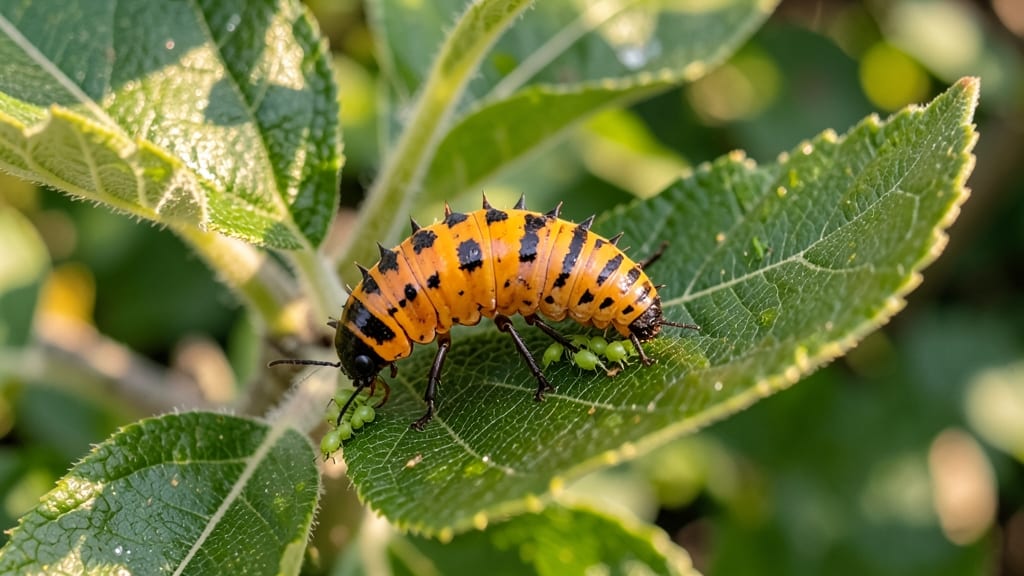
How to get rid of aphids on apple trees—those tiny green invaders can turn your apple tree into a sticky mess. 🌿 I’ve battled them for years—until I discovered neem oil’s secret weapon status. It doesn’t just kill them on contact; it repels them for weeks, breaking the cycle before they take over. The fix starts simple: blast them off with water first, then mix 1 teaspoon of neem oil per quart of water with a drop of dish soap. Spray thoroughly (especially undersides of leaves) every 5-7 days until they’re gone. Ladybugs and lacewings will join the fight if you give them a chance. By week two, you’ll see new growth free of sticky residue. The tree’s natural defenses kick in, and aphids lose interest. No more wilting leaves or sooty mold—just healthy, productive branches ready for next year’s harvest. Works for any fruit tree, not just apples. Here’s the exact spray recipe that saved my orchard—no harsh chemicals needed.
Root Causes of Apple Tree Aphids
Understanding why aphids invade your apple trees is the first step to stopping them in their tracks. These tiny pests don’t just appear out of nowhere—they’re drawn by specific conditions that make your trees look like an all-you-can-eat buffet.
Let’s break down the science behind their infestation so you can outsmart them.
Aphids thrive in dense foliage because thick leaves provide shelter, warmth, and easy access to sap. When apple trees are overcrowded—whether from poor pruning, excessive fertilization, or simply too many trees in one area—they create the perfect hiding spot for aphids.
- Why it happens: Aphids prefer tender, new growth, and overcrowded trees produce more vulnerable shoots. Poor air circulation also traps moisture, making leaves stickier and more attractive to these sap-sucking pests. - Actionable insight: Prune your apple trees annually to improve airflow and reduce hiding spots.
Aim for an open canopy where sunlight can reach all branches—aphids hate dry, well-ventilated conditions!
Stressed or nutrient-deficient apple trees are like open invitations to aphids. Weak trees can’t fight off pests as effectively, and their sap often contains higher sugar levels—aphids’ favorite snack.
- Why it happens: - Nutrient deficiencies: Lack of nitrogen, phosphorus, or potassium weakens the tree’s immune response. - Drought stress: Underwatered trees produce less sap, but when they do, it’s often more concentrated and appealing to aphids. - Disease or pest damage: Previous infestations (like mites or fungal infections) leave trees vulnerable to secondary attacks. - Actionable insight: Test your soil annually and amend it with compost or balanced fertilizer.
Deep watering (1–2 inches per week) keeps trees resilient. If you’ve had past issues, consider a soil drench with beneficial microbes like Trichoderma to boost tree health.
Apple trees produce fresh shoots and leaves in spring—a aphids’ dream come true. New growth is packed with nutrients and thin-skinned, making it easy for aphids to pierce and feed.
- Why it happens: - Hormonal cues: Aphids detect plant hormones like jasmonic acid, which signal new growth.
They’re wired to target these areas first. - Early season vulnerability: Young leaves lack the tough waxy coating of mature leaves, so aphids can feed without resistance. - Actionable insight: Monitor your trees closely in spring and early summer.
If you see aphids clustering on new shoots, act fast with a targeted spray (like neem oil) before they spread. Prune out heavily infested new growth to remove their food source.
Here’s a shocking fact: ants farm aphids. They “milk” them for honeydew (the sugary waste aphids excrete) and protect aphid colonies from predators. If you see ants crawling on your apple tree, they’re likely shielding aphids in exchange for a sweet snack.
- Why it happens:
- Mutualistic relationship: Ants patrol aphid colonies, driving away ladybugs, lacewings, and other natural predators.
- Honeydew highways: Ants create “trails” to aphid hotspots, ensuring a steady food supply.
- Actionable insight: Disrupt this relationship by:
- Applying sticky barriers (like petroleum jelly) on tree trunks to block ant access.
- Encouraging ant predators like birds or using ant baits (borax or diatomaceous earth) away from the tree.
Aphids reproduce insanely fast—some species can give birth to 50–100 nymphs in a week under ideal conditions. Warm temperatures (60–80°F) and moderate humidity create the perfect breeding ground.
- Why it happens: - Rapid reproduction: Aphids are viviparous, meaning they give live birth instead of laying eggs, accelerating population growth. - Humidity retention: Moist conditions help aphids stay hydrated and deter natural enemies like parasitic wasps. - Actionable insight: If your area has a warm, humid climate, stay vigilant during peak aphid seasons (spring to early fall).
Use reflective mulch or drip irrigation to reduce leaf moisture, making the environment less hospitable.
Pro Tip: 💡 Aphids also hitch rides on wind, insects, or even garden tools. If you’ve recently introduced new plants or equipment, quarantine them for a few days to prevent accidental infestations.
Quick Fixes for Aphid-Infested Apple Trees
Aphids may be tiny, but they pack a big punch—sucking sap, distorting leaves, and even attracting ants that "farm" them for honeydew. The good news? You don’t need harsh chemicals to kick them off your apple trees.
Below are targeted solutions based on the root cause of your infestation, from gentle DIY sprays to long-term prevention. Let’s reclaim your orchard!
If aphids are thriving because your tree is stressed (from overcrowding, poor soil, or weak growth), fix the environment first.
- 🔪 Trim back dense branches to improve airflow and sunlight—aphids love shaded, humid spots. - 🌱 Feed your tree: Apply a balanced fertilizer (like 10-10-10) in early spring to boost vigor.
Weak trees attract more pests. - 💧 Water at the base (not overhead) to avoid damp leaves, which aphids adore.
Pro Tip: 💡 Mulch with wood chips or straw to retain moisture and deter ants (which protect aphids). Keep mulch 3–4 inches away from the trunk to prevent rot.
Ants "herd" aphids like cattle, moving them to the most tender shoots. Break this cycle with these steps:
- 🍯 Borax or diatomaceous earth bait: Mix 1 part borax + 3 parts sugar + water into a paste and place near ant trails.
Ants carry it back to the colony—poof! No more aphid bodyguards. - 🧽 Spray soapy water on ant trails to disrupt their scent paths (1 tsp dish soap + 1 quart water). - 🌿 Plant ant-repelling herbs like mint or tansy near the tree base.
Warning: ⚠️ Avoid spraying ants directly with insecticides—it can make them aggressive and scatter aphids across your garden.
When aphids are everywhere, act fast with these high-impact methods:
| Method | How to Do It | Best For |
|---|---|---|
| 💦 Strong water spray | Blast aphids off with a hose nozzle (60 PSI) on a sunny day. Repeat every 3–4 days. | Small infestations, organic growers |
| 🍃 Neem oil spray | Mix 1 tbsp neem oil + 1 tsp mild soap + 1 quart water. Spray evenly (top/bottom of leaves). | Long-term repellent (reapply weekly) |
| 🐝 Beneficial insects | Release ladybugs, lacewings, or parasitic wasps (buy online or at garden centers). | Prevention + natural control |
Pro Tip: 🌡️ Spray in the early morning or late evening to avoid harming bees. Neem oil works best when temps are above 50°F.
Once you’ve banished aphids, keep them away for good with these habits:
- 🌱 Plant companion plants: Aphids hate garlic, chives, or marigolds near apple trees.
Interplant them to confuse pests. - 🍎 Inspect new plants: Quarantine new trees or nursery plants for 2 weeks before adding them to your orchard. - 🕷️ Encourage predators: Leave some weeds or wildflowers nearby to attract aphid-eating insects. - 🧼 Clean up debris: Remove fallen leaves and fruit mummies (where aphids overwinter).
🎯 Golden Rule: Check your trees weekly in spring/summer. Early action = no aphid army!*
Final Note: Most aphid outbreaks are short-lived if you act quickly. Combine one fix (like neem oil) with prevention (like pruning and companion planting), and your apple trees will stay lush—and aphid-free! 🍏✨
Frequently asked questions
How often should I spray neem oil on my apple tree?
Apply neem oil spray every 5-7 days until aphids disappear, then switch to monthly maintenance sprays during growing season. For best results, spray in early morning or late evening when bees aren't active. Always mix 1 teaspoon neem oil per quart of water with a drop of mild soap as an emulsifier.
Will ladybugs really eat all my aphids?
Ladybugs are excellent aphid predators but won't eliminate an entire infestation alone. Release 5,000-10,000 ladybugs per acre for noticeable impact. Combine with other methods like neem oil or soapy water sprays. They work best in warm weather (above 55°F) and need shelter like nearby wildflowers or weeds.
What's the fastest way to stop aphids from spreading?
Start with a strong water blast using a hose nozzle (60 PSI) to physically remove aphids, then apply neem oil immediately. Follow up by pruning heavily infested branches and disposing of them in sealed bags. Isolate affected trees for 3-4 days to prevent aphids from flying to healthy trees.
Can I use dish soap alone to kill aphids?
Yes, but it's less effective than neem oil for long-term control. Mix 1 tablespoon mild dish soap per gallon of water and spray directly on aphids. This works best for small infestations and should be reapplied every 2-3 days. Avoid using harsh soaps that can damage leaves. For stubborn cases, combine with neem oil.
Why do aphids keep coming back even after treatment?
Returning aphids usually mean you're missing one of three key factors: hidden colonies (check undersides of leaves), ant protection (ants shield aphids), or new infestations from wind/other plants. Examine the entire tree, including trunk crevices, and treat ant trails with borax bait. Monitor weekly to catch early signs of reinfestation.