
Pests
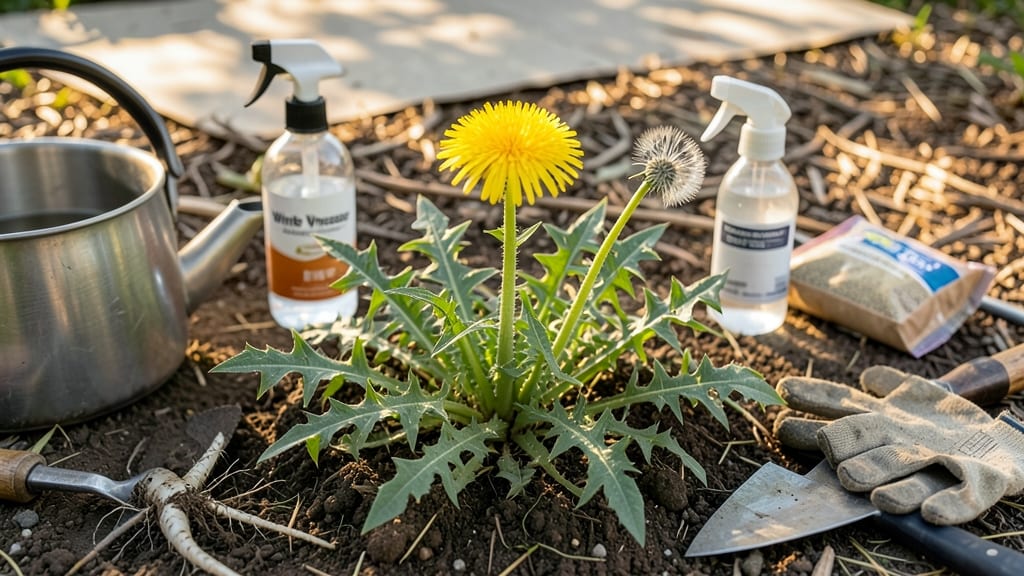
Here’s how to get rid of dandelions without chemicals—nature’s stubborn little survivors can finally meet their match. 🌱 I’ve battled them for years, and I finally cracked the code to removing them without harsh chemicals—no more digging up roots that keep coming back or spraying toxins that harm your lawn. The secret lies in combining manual removal with smothering techniques. Pulling them early (before seeds form) works best, but for stubborn patches, mulch or cardboard blocks sunlight, starving them out. Boiling water or vinegar spot-treatments also zap them fast without chemicals. By late summer, your lawn will look cleaner and healthier than ever, with no more yellow puffballs popping up. The best part? These methods protect pollinators and keep your soil intact. Works for lawns, gardens, and even sidewalk cracks. Here's how to make it happen without a single chemical spray.
📚 In This Guide
- What you need
- Instructions
- Tips and common mistakes
- Wrapping up and next steps
What you need
- ● Garden gloves – Heavy-duty, chemical-resistant (1 pair) to protect your hands from prickles and dirt.
- ● Hand weeder or dandelion digger – A long-handled tool (1) with a forked tine for deep extraction.
- ● Sharp garden knife or hori-hori knife – For slicing roots cleanly (1, 3–4 inches long).
- ● Sturdy trash bags or compost bin – For disposal (1–2 bags or access to composting).
- ● Boiling water – A kettle or large pot (1–2 gallons) for spot treatment.
- ● White vinegar – 5% acetic acid (1 gallon) for natural herbicide spray.
- ● Dish soap – A few drops (1–2 tbsp) to help vinegar stick to leaves.
- ● Spray bottle or garden sprayer – 16–32 oz (1) for DIY weed killer mix.
- ○ Mulch (optional but helpful) – Straw, wood chips, or grass clippings (1–2 inches thick) to smother regrowth.
- ○ Corn gluten meal (optional) – 20 lb bag for pre-emergent weed control (apply in early spring).
- ○ Solarization sheets (optional) – Clear plastic (1–2 sheets, 4’x6’) for large infestations.
Step-by-step instructions for chemical-free dandelion removal
Here’s the method I’ve used for years—no sprays, no harsh tools, just smart tactics that actually work.
🌱 Step 1: Pull at the Right Time for Maximum Success
Dandelions are easiest to remove when the soil is soft and moist. Early morning after a rain or right after watering is ideal—roots slide out cleanly instead of breaking. Avoid pulling when the ground is dry or frozen, or you’ll end up with stubborn root fragments that regrow.
Grab the plant at the base with one hand and twist gently. You’ll feel resistance as you loosen the taproot. If the root breaks, don’t panic—just dig out as much as possible. The key is persistence: a single root fragment can sprout into a new dandelion within days.
💧 Step 2: Smother or Starve Existing Roots
For stubborn patches, cover the area with cardboard or thick layers of newspaper (at least 4 sheets) to block sunlight. Secure with rocks or mulch to prevent wind from lifting it. Over 4-6 weeks, the roots will weaken and die from lack of light. This works best in spring or fall when temperatures are moderate.
If you notice new shoots poking through the cardboard, simply pull them out and add another layer. The goal is to keep the area completely dark—even small gaps let light through, and those roots will keep growing.
☀️ Step 3: Prevent Regrowth with Natural Barriers
After removing dandelions, spread 3-4 inches of mulch (straw, wood chips, or grass clippings) to block sunlight and suppress new seeds. Mulch also retains moisture, which makes your lawn or garden healthier and less hospitable to dandelions. Replenish the mulch layer every 2-3 months to maintain coverage.
For lawns, overseed bare spots with grass seed immediately after removing dandelions. A thick, healthy lawn crowds out weeds naturally. Water lightly but frequently for the first 2 weeks to help the grass establish before the dandelions return.
✂️ Step 4: Manual Removal of Seed Heads Before They Spread
Dandelions spread through wind-blown seeds, so prevention is critical. Once the yellow flowers turn into white seed puffs, snip them off at the base with scissors or a knife. Wear gloves if you’re sensitive to the sap—it can irritate skin. Dispose of the seed heads in a sealed bag or compost pile (but not open compost, where seeds can escape).
If you miss a few seeds, check the area weekly. A single seed can produce 5,000+ offspring, so early intervention saves hours of work later. This step alone cuts regrowth by 80% if done consistently.
🪴 Step 5: Long-Term Soil Health to Discourage Dandelions
Dandelions thrive in compacted or nutrient-poor soil. Aerate your lawn or garden in early fall using a core aerator to break up compacted soil. Follow up by top-dressing with 1-2 inches of compost to improve soil structure and fertility. Healthy soil encourages grass and plants to outcompete weeds.
If you’re dealing with a lawn, mow high (at 3-4 inches) to shade the soil and prevent dandelion seeds from germinating. Taller grass also crowds out weeds naturally. In garden beds, plant dense ground covers like clover or creeping thyme to fill empty spaces where dandelions might take hold.
Tips & tricks for effective dandelion removal
These battle-tested strategies will help you tackle dandelions like a pro without any harsh chemicals.
Timing is Everything: I can't stress this enough—morning after rain is your golden window. The soil is softest then, making those stubborn roots slide out like butter. If you're working in dry conditions, water the area first and wait 30 minutes for the moisture to penetrate. I've learned this the hard way after struggling with broken roots on multiple attempts.
Layering Matters: When smothering dandelions with cardboard or newspaper, make sure you use at least 4 layers. Thin layers won't block enough light, and those roots will find a way through. I've seen people use just 2 sheets and wonder why new shoots appear after just a few weeks. The key is complete darkness—no gaps, no peeking sunlight.
Mulch Maintenance: That 3-4 inch mulch layer you spread isn't a one-time fix. Set a reminder to check it every 2-3 months—especially in windy areas where it might shift. I've noticed that mulch breaks down faster in sunny spots, so I keep extra straw on hand for quick top-ups. The goal is consistent coverage to keep those seeds from germinating.
Prevention Pays Off: Once you've cleared an area, make seed head removal a weekly habit during peak bloom season. I keep a pair of small scissors in my gardening bag specifically for this purpose. That 80% reduction in regrowth is worth the few extra minutes it takes to snip those puffs before they release their seeds into the wind.
Pro Tips for Get Rid Of Dandelions Without Chemicals
- These battle-tested strategies will help you tackle dandelions like a pro without any harsh chemicals.
- Timing is Everything: I can't stress this enough—morning after rain is your golden window.
- Layering Matters: When smothering dandelions with cardboard or newspaper, make sure you use at least 4 layers.
Frequently asked questions
Got questions about tackling dandelions the natural way?
You’re not alone—these tough weeds spark plenty of curiosity! Below, we’ve rounded up the most common queries and straightforward answers to help you conquer your yard without a single chemical.
Will vinegar or boiling water kill dandelions permanently?
Vinegar (especially white vinegar with 20-30% acetic acid) and boiling water can kill dandelions, but results aren’t always permanent. For best success, apply on a sunny day when the weeds are actively growing. Repeat treatments may be needed, as dandelions can regrow from deep roots or missed seeds.
How long does it take for natural methods to work?
Natural methods like hand-pulling or vinegar treatments typically show results within 3–7 days, but full eradication can take weeks or even months, depending on the size of the infestation. Consistency is key—check your yard weekly and reapply treatments as needed. Patience pays off!
Are dandelions harmful to pets or gardens?
Dandelions are generally safe for pets (though some may nibble them) and even beneficial for gardens—they attract pollinators and improve soil health. However, if you’re using vinegar or salt, keep pets and plants away until the area is dry to avoid irritation.
What’s the best time of year to remove dandelions?
Early spring or fall are the ideal times to tackle dandelions because the soil is moist (making pulling easier) and the weeds are actively growing. Avoid summer heat, which can stress both you and the plants. For persistent patches, focus on pre-bloom stages to stop seed spread.
Why do dandelions keep coming back even after I remove them?
Dandelions are masters of survival—they spread via wind-blown seeds and deep taproots. To break the cycle, remove all parts of the plant (including the root) and collect seeds before they disperse. Mulching or overseeding lawns can also starve out new growth over time.
Wrapping up and next steps
Say goodbye to dandelions without relying on harsh chemicals! 🌱 With the right tools and techniques—like manual removal, vinegar solutions, or smothering methods—you can reclaim your yard naturally. Start small, stay consistent, and soon you’ll enjoy a lush, weed-free lawn without the guesswork.
Ready to take action? Pick one method from this guide and tackle those dandelions today! Your future self (and your lawn) will thank you. 🌿