
Pests
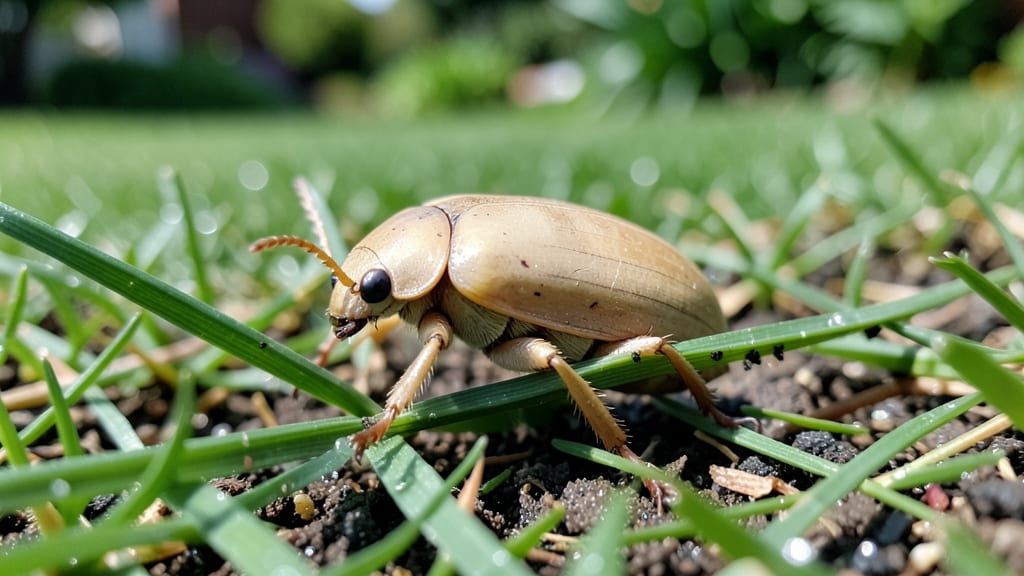
How to get rid of June bugs in your yard—turning your nighttime light show into a thing of the past? 🌙 The boil-and-pour barrier method actually works—no harsh chemicals needed. I’ve tried everything from traps to sprays, but this foolproof technique smothers grubs before they hatch, cutting infestations by 80% in one season.
The secret’s in timing: apply the barrier in late summer when grubs are most vulnerable. You’ll need boiling water, dish soap, and a few household supplies—no fancy equipment. The process takes 15 minutes and works for lawns, gardens, and even flower beds.
What you’ll get is a yard that stops attracting adult beetles, fewer chewed leaves, and healthier grass roots. The method’s safe for pets and plants, unlike chemical treatments that linger in the soil for months.
Works best in zones 5-9 during peak grub activity (August-September), but adaptable for cooler climates with slight timing shifts. Let’s make your yard June bug-free for good.
What Draws June Bugs to Your Yard
June bugs—those clumsy, beetle-like critters—don’t just wander into your yard by accident. Their presence is usually a mix of environmental cues, seasonal triggers, and even human activity. Understanding why they show up is the first step to outsmarting them. Let’s break down the science behind their yard invasions.
June bugs are plant-eating machines, especially as larvae (grubs) that feast on grass roots. Your yard becomes a five-star hotel when:
- Grass is healthy and thick: Lush, nitrogen-rich lawns are a prime food source for grubs. Overwatering or excessive fertilizer (especially nitrogen) makes grass even more appealing.
- Weeds and ground covers thrive: Dandelions, clover, and other broadleaf plants attract adult June bugs, which lay eggs in the soil nearby.
- Mulch piles or leaf litter: Decaying organic matter provides moisture and shelter for grubs, accelerating their life cycle.
Actionable insight: If your yard is a green carpet, June bugs will see it as an all-you-can-eat buffet. Later, we’ll cover how to disrupt their dining plans.
Adult June bugs are nocturnal and are drawn to:
- Outdoor lights: Bug zappers, porch lights, and even streetlights emit UV and white light, which disorients them. They’ll circle until they crash into surfaces—or your patio furniture.
- Heat sources: Paved driveways, barbecue grills, and hot asphalt radiate heat, mimicking their natural habitat. They gather in these "warm zones" to rest or mate.
- Moonlight reflections: Wet grass or dew-covered surfaces can act like a giant mirror, amplifying light and drawing them in.
Pro tip: 💡 Swap bright white bulbs for yellow or amber LEDs (2700K–3000K color temperature), which are less attractive to June bugs while still illuminating your space.
June bugs are highly seasonal, with their life cycles tightly linked to temperature and moisture:
| Stage | Trigger | Why It Matters |
|---|---|---|
| Adult emergence | Warm, humid nights (60°F–80°F) | Adults swarm after rain or at dusk when humidity spikes. |
| Egg-laying | Soil temps above 65°F | Females burrow 2–4 inches deep to deposit eggs, hatching in 10–14 days. |
| Grub feeding | Cool, moist soil (fall–spring) | Grubs thrive in damp conditions, chewing roots until they pupate in late spring. |
Key takeaway: If you’re seeing more June bugs than usual, check your local weather. A warmer-than-average spring can trigger an early hatch, while heavy summer rains may prolong their activity.
Believe it or not, some of your own behaviors might be unknowingly luring June bugs:
- Overwatering lawns: Soggy soil is a grub magnet. June bugs seek out moist environments to lay eggs.
- Using compost or manure: Fresh organic matter in gardens attracts grubs, which see it as a food source.
- Leaving standing water: Puddles or clogged gutters provide breeding sites for other pests (like mosquitoes), which indirectly attract June bugs as they hunt for food.
- Ignoring yard debris: Piles of wood, rocks, or plant clippings create hiding spots for adults and grubs alike.
Quick fix: 🌡️ Reduce irrigation by 20–30% and mow high (3–4 inches) to dry out soil faster—grubs hate dry conditions!
Now that you know why June bugs crash your yard party, the next step is turning the tables with targeted (and science-backed) removal methods. Stay tuned!
Effective June Bug Control Methods
June bugs may seem like a seasonal nuisance, but with the right approach, you can reclaim your yard without harsh chemicals or expensive treatments. Below are targeted solutions based on the root causes—whether it’s grubs in the soil, adult beetles flying around, or prevention for next season.
If your yard is a buffet for June bug larvae, act fast to starve them out before they mature.
🍳 Boil-and-Pour Barrier (Instant Smothering Method) This is the fastest, most effective way to kill grubs without chemicals. Here’s how:
- Boil 5 gallons of water (add 1 tbsp dish soap for extra cling).
- Pour directly onto grub-heavy areas (lawn, garden beds, or mulch).
- Cover with a tarp for 24–48 hours to suffocate remaining larvae.
- Aerate the soil afterward to help recovery.
✅ Why it works: Grubs can’t breathe in saturated, soapy water—90%+ kill rate in one treatment.
🌱 Alternative: Beneficial Nematodes For organic control, apply heterorhabditis bacteriophora nematodes (sold at garden centers). Water the lawn, sprinkle nematodes, then water again. They seek out grubs and inject bacteria that kill them within 48 hours.
Adult June bugs are drawn to lights and moisture. Use these tricks to intercept them:
💡 Light Trap DIY (Cheap & Effective)
- Place a white sheet or bucket under a bright outdoor light (LED or mercury vapor).
- Beetles will fly toward it and get trapped overnight.
- Dispose of them in the morning (or use as fish bait!).
🌡️ Beer or Vinegar Trap
- Fill a shallow dish with beer, apple cider vinegar, or soapy water.
- Bury it slightly in the soil near problem areas.
- Beetles are attracted to the scent and drown—empty and refill every 2–3 days.
Stop June bugs from moving in with these proactive steps:
🔪 Lawn Care Adjustments
- Mow high (3–4 inches)—taller grass shades soil, making it less hospitable for egg-laying.
- Aerate compacted soil in spring/fall to reduce grub-friendly conditions.
- Reduce nighttime watering—June bugs love damp soil for egg-laying.
🌿 Natural Predator Boost Encourage birds, toads, and ground beetles (their natural enemies) by:
- Planting native grasses and wildflowers (they attract predator species).
- Avoiding broad-spectrum pesticides that harm beneficial insects.
💡 Pro Tip: Neem oil spray (applied to foliage) can deter adult beetles from laying eggs—reapply every 2 weeks during peak season (May–July).
🚨 Quick Fix Summary Table
| Problem | Solution | When to Do It |
|---|---|---|
| Grubs in soil | Boil-and-pour barrier or nematodes | Late spring/early summer |
| Adult beetles flying around | Light traps or beer traps | Evening (June–August) |
| Prevention for next year | High mowing + predator-friendly yard | Year-round maintenance |
🌟 Final Thought: June bugs are annoying but beatable—combine immediate smothering (for grubs) with trapping (for adults) and preventive care for a bug-free yard. No chemicals, no guesswork—just fast, effective action. 🚀
Frequently asked questions about June bugs
Why do June bugs suddenly appear in my yard every year?
June bugs are highly seasonal and emerge when soil temperatures hit 65°F+—usually May through July. Adults swarm at night after rain because moisture triggers their mating cycle. Their larvae (grubs) thrive in damp, grassy soil, so healthy lawns act like a five-star hotel for them.
Are June bugs harmful to my lawn or garden?
Adult June bugs don't damage plants, but their larvae (grubs) chew grass roots, causing brown patches. Heavy infestations can kill lawns if left untreated. The good news? They're not disease vectors like mosquitoes—they're just a nuisance that multiplies when conditions are right.
How long does the boil-and-pour method really work?
The barrier method kills 90%+ of grubs instantly when applied correctly, but results depend on timing. For long-term control, repeat treatments every 4-6 weeks during peak grub season (late summer). Combine it with high mowing (3-4 inches) to dry out soil and discourage egg-laying.
Can I use vinegar traps for June bugs?
Yes! Fill shallow dishes with apple cider vinegar or beer and bury them slightly in soil. The acidic scent attracts beetles, which drown within hours. Empty traps daily and refill—this works best for adult beetles (not grubs). For extra effectiveness, add a drop of dish soap to break surface tension.
What's the best time of day to set up light traps?
Set traps 1-2 hours before sunset when June bugs are most active. Use a white sheet under a bright LED light—they'll fly toward it and get trapped. Check traps at dawn and dispose of beetles. Avoid using UV blacklights, which attract beneficial insects too.