
How To
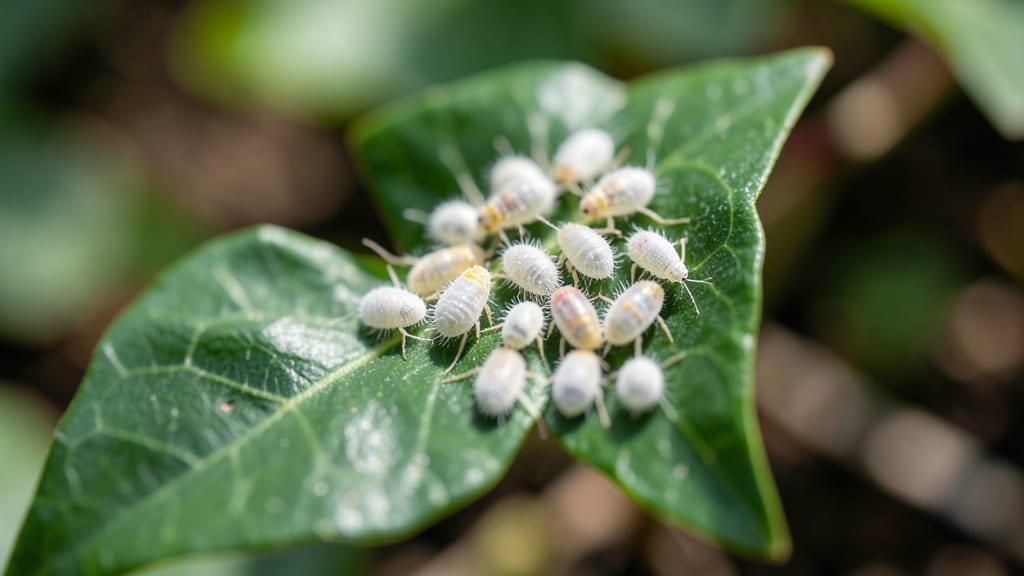
How to get rid of mealybugs on my English ivy—those sticky, white pests are turning your plant into a nightmare. These tiny invaders suck the life out of leaves, leaving behind a cottony mess that spreads faster than you can say "prune." The good news? A targeted spray can wipe them out in 24 hours—no harsh chemicals needed if you act fast. The secret weapon is a mix of 70% rubbing alcohol and 30% water in a spray bottle. Alcohol dissolves their protective coating, while the water dilutes it enough to avoid burning the ivy. Test on one leaf first—if it survives, you’re ready to blast every infested area until the bugs vanish. Repeat every 3-4 days for a full month to prevent regrowth. Within 48 hours, you’ll see fresh green leaves pushing through, and the sticky residue will disappear. The ivy recovers faster than you’d expect, and the spray works on other houseplants too. Just avoid overwatering after treatment—stressed plants attract pests like a buffet. This method works for indoor or outdoor ivy, but if the infestation is severe, add a drop of dish soap to the mix for extra stickiness. Monitor for new cottony spots weekly, and your ivy will bounce back stronger than ever.
Root Causes Behind Mealybug Infestations
Mealybugs don’t just appear out of nowhere—they’re drawn to specific conditions that make your English ivy the perfect buffet. Understanding these triggers is the first step to stopping them in their tracks. Let’s break down the science behind why these fluffy pests invade your plant.
Mealybugs thrive when your English ivy is struggling to fight back. A stressed plant is like an open invitation for these sap-sucking insects.
- Nutrient Deficiencies: 🌱 If your ivy lacks essential nutrients (like nitrogen, phosphorus, or potassium), its leaves weaken, making it easier for mealybugs to pierce the tissue and feed.
Think of it like a human with a vitamin deficiency—your immune system (or your plant’s natural defenses) gets compromised. - Overwatering or Poor Drainage: 💧 Mealybugs love damp, cozy environments.
Overwatered soil creates the perfect humidity for them to multiply, while poor drainage can lead to root rot, further weakening the plant. - Sunburn or Light Stress: ☀️ Too much direct sunlight can scorch your ivy’s leaves, creating entry points for pests.
Conversely, insufficient light weakens the plant, making it more susceptible to infestations.
Actionable Insight: Regularly check your ivy’s soil moisture (stick your finger in—it should feel slightly damp, not soggy) and ensure it’s getting the right balance of light (bright, indirect is ideal).
These pests aren’t picky—they’ll settle wherever it’s warm, humid, and full of easy meals.
- High Humidity: 🌫️ Mealybugs adore humidity levels above 60%. If your home or greenhouse is consistently damp (common in bathrooms or kitchens), your English ivy becomes a prime target. - Warm Temperatures: 🌡️ They thrive in temperatures between 70–85°F (21–29°C).
If your ivy is near a heat source (like a radiator or sunny window), you’re basically rolling out the welcome mat. - Sticky Residue: 🍯 Mealybugs are attracted to the honeydew (a sugary waste product) left behind by other pests like aphids or scale insects.
If your ivy already has a pest problem, mealybugs will follow the scent trail.
Actionable Insight: Use a hygrometer to monitor humidity and aim for 40–50%—this makes your ivy less appealing. A small fan on low can also disrupt their favorite cozy spots.
Mealybugs hitchhike on plants, tools, and even your clothing. If you’ve recently brought home a new plant, repotted your ivy, or shared gardening tools, you might’ve unknowingly introduced them.
- Contaminated Tools: 🔨 Pruners, pots, or soil from infested plants can carry mealybugs or their eggs. Even a tiny fragment of an infested leaf can harbor hundreds of eggs. - New Plants: 🌿 Many mealybugs hide in the undersides of leaves or stems of nursery-bought plants.
If you’ve added a new green friend to your collection, it could be the source. - Outdoor Exposure: 🌳 If your ivy spends time outside, nearby trees or plants with mealybugs can spread them via wind or insects.
Actionable Insight: Always quarantine new plants for 2–4 weeks and inspect them thoroughly before introducing them to your collection. Clean tools with rubbing alcohol between uses.
Your ivy’s soil chemistry plays a bigger role than you might think. Mealybugs are drawn to plants with imbalanced pH or high levels of certain chemicals.
- High Sugar Content: 🍬 Over-fertilizing (especially with nitrogen-heavy fertilizers) can make your ivy’s sap sweeter, which mealybugs love. It’s like leaving out candy for ants—inevitable. - pH Imbalances: 📉 Mealybugs prefer slightly acidic to neutral soil (pH 6.0–7.0).
If your soil is too alkaline (pH above 7.5), it can stress your ivy, but it’s not a direct attractant—it’s more about the plant’s overall health. - Pesticide Resistance: 🚫 If you’ve used chemical pesticides before, mealybugs may have developed resistance, making them bolder in their attacks.
Actionable Insight: Use a balanced, slow-release fertilizer (like a 10-10-10 NPK ratio) and test your soil’s pH every few months. A simple soil test kit from a garden center works perfectly.
Quick Fixes for Mealybug Menace
Mealybugs may seem like a stubborn foe, but with the right approach, you can reclaim your English ivy’s lush green glory in no time. The key is to tackle the problem at its source—whether it’s overcrowded plants, poor airflow, or an infestation that’s already taken hold.
Below, we break down the most effective solutions, tailored to the root cause of your mealybug problem. Plus, we’ll share prevention tips to keep those cottony pests from crashing your party again.
If your English ivy is packed too closely with other plants—or tucked away in a dark, humid corner—mealybugs thrive in the chaos. These pests love hiding in tight spaces where air can’t circulate, creating the perfect breeding ground.
🔪 Step-by-Step Fix:
- 🌱 Trim the Troublespots
- Snip off heavily infested leaves or stems with clean, sharp scissors. Dispose of them in a sealed bag (not your compost bin!) to prevent reinfestation.
- Focus on the undersides of leaves and leaf joints—mealybugs love these spots.
- 🌬️ Boost Airflow
- Space out your plants so they’re not touching. Aim for at least 2–3 inches between leaves.
- If your ivy is in a pot, consider moving it to a brighter spot with indirect light (but no harsh sun).
- 🏠 Quarantine New Additions
- Before introducing a new plant to your collection, inspect it thoroughly for mealybugs. Keep it separate for 2 weeks to ensure it’s pest-free.
💡 Pro Tip:
Use a handheld fan on low speed near your plants for 10 minutes daily. The gentle breeze disrupts mealybugs’ sticky trails and discourages them from settling in.
If you’ve spotted those white, fluffy clusters, it’s time for aggressive action. Mealybugs multiply fast, so act quickly to stop the spread.
👨🍳 DIY Spray Recipes (Safe & Effective)
Skip the harsh chemicals! These homemade sprays are just as powerful and won’t harm your ivy.
| Solution | How to Use | Frequency |
|---|---|---|
| 🍋 Soapy Water Spray | Mix 1 tsp mild dish soap (like Dawn) + 1 quart warm water. Spray directly on bugs until soaked. | Every 3–4 days for 2 weeks |
| 🌿 Neem Oil Spray | Combine 1 tbsp neem oil + 1 tsp soap + 1 quart water. Shake well and spray (especially undersides). | Weekly until bugs vanish |
| 🍊 Rubbing Alcohol | Dip a cotton swab in 70% isopropyl alcohol and dab onto mealybugs. Works fast! | As needed for stubborn clusters |
⏰ Step-by-Step Spray Attack:
- 🌧️ Test First
- Spray a small area of your ivy and wait 24 hours to ensure no leaf burn occurs.
- 🎯 Target the Bugs
- Focus on new growth, leaf axils, and stems. Mealybugs hide in these spots!
- 🌿 Repeat & Monitor
- Reapply every 3–4 days for soapy water or weekly for neem oil. Check for eggs (tiny white ovals) and treat those too.
🔥 Emergency Move:
If your ivy is severely infested, isolate it immediately and treat it separately. Move it to a shaded outdoor space (like a balcony) for 24 hours to weaken the bugs before bringing it back inside.
The best offense is a good defense. Once you’ve banished the bugs, lock them out with these habits:
- 🌡️ Maintain Ideal Conditions
- Keep humidity below 60% (use a dehumidifier if needed).
- Water only when the top inch of soil is dry—mealybugs love soggy soil.
- 👀 Regular Inspections
- Check your ivy weekly, especially after bringing new plants home. Early detection = easier fixes!
- 🐝 Encourage Beneficial Insects
- Ladybugs and lacewings devour mealybugs. Attract them by planting marigolds or dill nearby.
- 🧼 Clean Your Tools
- Wipe down pruners and pots with rubbing alcohol after each use to avoid spreading pests.
With these targeted fixes, your English ivy will be mealybug-free in days—and you’ll have the satisfaction of knowing you did it naturally. Stay vigilant, and your plant will thrive for seasons to come!
Frequently asked questions
Why does my English ivy keep getting mealybugs even after treatment?
Mealybugs often return if their favorite conditions remain—like high humidity or overcrowded plants. Check your ivy’s environment: keep humidity below 60% and ensure good airflow. Also, inspect nearby plants—they might be harboring hidden eggs!
Can I use vinegar to kill mealybugs on my English ivy?
Yes, but dilute it properly! Mix 1 part white vinegar with 3 parts water and spray directly on infested areas. Test on a small leaf first—undiluted vinegar can damage the plant. Reapply every 2-3 days for best results.
How do I know if mealybugs have laid eggs on my ivy?
Look for tiny white oval shapes (about 0.5mm) clustered along stems or leaf undersides. These are eggs! Remove infested leaves immediately and treat with neem oil spray—it disrupts egg development too.
Will mealybugs spread to other houseplants?
Absolutely—they hitchhike easily! Isolate your English ivy immediately and inspect all nearby plants. Quarantine new additions for 2 weeks and clean tools with rubbing alcohol after each use to prevent cross-contamination.
Can I save my English ivy if it's heavily infested?
Yes! Start by pruning all visibly infested growth (seal in a bag) and treat with a soapy water spray or neem oil. Move your ivy outdoors for 24 hours to weaken bugs, then resume care. With consistent treatment, it can recover fully!