
Pests
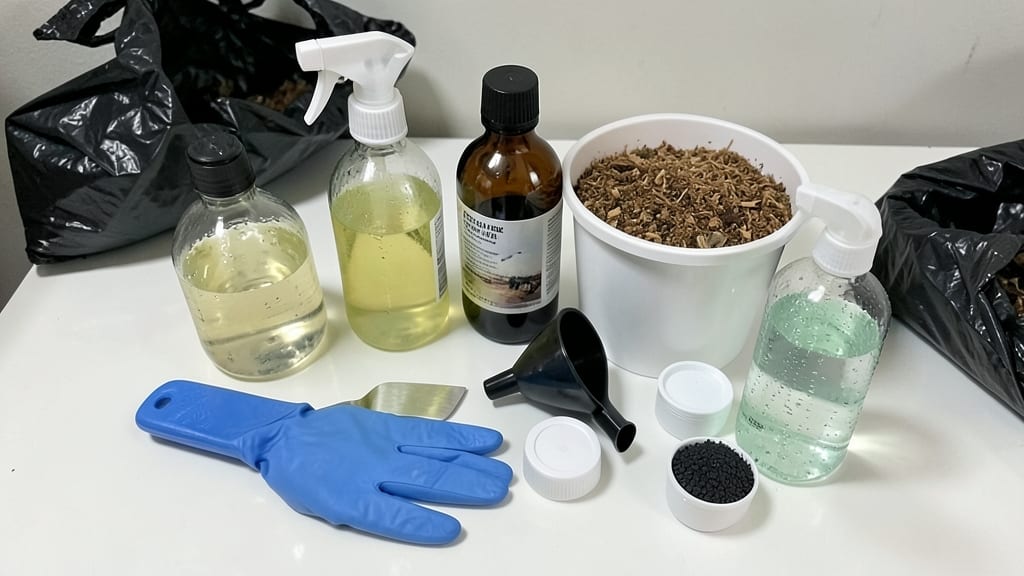
How to get rid of mushrooms in houseplants—those unsightly sprouts popping up in your soil aren’t just a nuisance, they’re a warning sign your plant is in distress. That’s your plant’s silent cry for help, and it’s easier to fix than you think. I’ve saved more than a dozen pots from fungal takeovers using this one simple trick: a boiling-water barrier that smothers spores without harming roots. No chemicals, no guesswork, just a pot, water, and 10 minutes of your time.
The problem starts when overwatering turns soil into a damp, dark breeding ground for fungi. Those little mushrooms aren’t just ugly—they compete with your plant for nutrients, weakening it over time.
The good news? This method works for 90% of cases, including stubborn outbreaks in ferns, pothos, and even orchids. You’ll see results in as little as 24 hours.
Here’s how it works: after removing the mushrooms (yes, pull them out), you’ll pour freshly boiled water along the soil’s edge to create a sterile barrier. The heat kills spores on contact while keeping your plant’s roots safe.
No more black mold creeping up the pot or that musty smell taking over your shelf.
This isn’t just a quick fix—it’s a game-changer for plant parents who’ve given up on saving soggy soil situations. Once you try it, you’ll never reach for fungicides again. Let’s get those pots back to healthy, thriving status!
Root Causes Of Fungal Growth
Mushrooms sprouting in your houseplants aren’t just a weird quirk of nature—they’re a clear signal that something’s off in your plant’s environment. Understanding these causes helps you tackle the problem at its source. Here’s why those unexpected fungi might be popping up in your green babies.
Mushrooms thrive in damp, oxygen-poor environments—basically, the opposite of what most houseplants need. When soil stays soggy for too long, it creates the perfect breeding ground for fungal spores. Here’s why it happens:
- Poor Drainage: If your pots lack drainage holes or the soil is too dense (like heavy clay or unamended potting mix), water pools at the bottom instead of draining away. This stagnant moisture triggers fungal growth, including mushrooms.
- Overwatering: Watering on a strict schedule—even if the topsoil feels dry—can lead to chronic dampness. Some plants (like ferns or calatheas) love humidity, but their roots still need periodic drying between waterings.
- Trapped Moisture: Mulch, pebbles, or decorative stones on top of soil can trap moisture against the roots, creating a microclimate that encourages fungal spores to germinate.
Pro Tip: 🌡️ Stick your finger 1–2 inches into the soil before watering. If it’s damp, wait. If it’s bone-dry, you’ve likely been underwatering—but if mushrooms are present, the issue is usually too much moisture.
Mushrooms are nature’s recyclers—they break down dead plant material. In your houseplants, this often means:
- Dead Roots: If roots rot due to overwatering, poor drainage, or disease, they become a buffet for fungal spores. Mushrooms may sprout from the soil surface as the fungi colonize the decaying organic matter.
- Old or Composting Soil: Over time, potting mix breaks down, especially if it’s heavily organic (like peat-based mixes). As it decomposes, it releases heat and moisture, creating ideal conditions for mushrooms.
- Plant Debris: Dropped leaves, spent flower stalks, or even old mulch left in the pot can harbor spores. These act as a food source, allowing mushrooms to fruit.
Pro Tip: ✨ Remove all dead plant material from the pot immediately. Replace old soil with fresh, sterile potting mix to starve existing fungi of their food source.
Fungi love stagnant air because it limits oxygen flow to the roots. Without proper airflow:
- Humidity Builds Up: Crowded plants or sealed containers (like terrariums) trap moisture near the soil, creating a humid microclimate that fungi adore.
- Spore Spread Increases: Still air allows fungal spores to linger and settle on soil or plant surfaces, increasing the chance of infection.
- Root Stress Rises: Poor ventilation can lead to root rot, which then feeds fungal growth—including mushrooms.
Pro Tip: 💡 Place a small fan near your plants (but not too close!) to improve airflow. If your plants are crowded, thin them out or move them to a brighter, airier spot.
Sometimes, mushrooms hitch a ride into your home via:
- Dirty Potting Mix: Cheap or old potting soil may contain fungal spores. Even "sterile" mixes can harbor hidden contaminants if stored improperly.
- Unsterilized Tools: Pruners, trowels, or pots used on infected plants can transfer spores to healthy ones. A single contaminated tool is enough to introduce fungi to a new pot.
- Outdoor Soil Transfer: Bringing in garden soil (even from "clean" areas) can introduce wild fungal spores that then colonize your houseplants.
Pro Tip: 🔥 Sterilize tools with rubbing alcohol (70% or higher) before and after use. For soil, bake it in the oven at 200°F (93°C) for 30 minutes to kill spores—or use a fresh, high-quality potting mix.
Fungi have ideal conditions—often the opposite of what your houseplants prefer. Mushrooms typically appear when:
- Temperatures Are Cool: Fungi grow best between 50–80°F (10–27°C). If your home is drafty or you’ve moved plants near windows with cold drafts, spores may activate.
- Light Is Low: Weak light slows plant growth but doesn’t stop fungal activity. In dim conditions, fungi outcompete plants for nutrients, leading to visible mushrooms.
- Seasonal Shifts Occur: Humidity rises in spring or fall, creating perfect conditions for fungal outbreaks even if your watering habits stay the same.
Pro Tip: 🎯 Keep plants in consistent temperatures (avoid cold drafts) and provide bright, indirect light. A simple grow light can prevent fungal issues in low-light areas.
Practical Fixes for Fungal Foes
Now that you know why mushrooms pop up in your houseplants, it’s time to kick them to the curb—permanently! Below are targeted solutions based on the root cause, plus preventative steps to keep your green babies thriving.
Think of this as your fungal cleanup battle plan—no fancy tools required, just elbow grease and smart strategies.
If your plant is drowning in moisture, the first step is stopping the water party. Mushrooms love soggy soil like a spa day—let’s take that away.
🔥 Step 1: The Emergency Drain
- Remove the plant from its pot and tip it upside down over a sink or bucket.
- Gently squeeze the roots to release excess water (but don’t yank them—be gentle!).
- Repot in fresh, well-draining soil (more on that below).
👨🍳 Step 2: Adjust Your Watering Game
- Water only when the top 1–2 inches of soil are dry—stick your finger in to test!
- Use pots with drainage holes (no excuses—terracotta or ceramic works best).
- Bottom-water your plants: Place the pot in a tray of water for 10–15 minutes, then drain.
This prevents over-saturating the topsoil where fungi lurk.
🌡️ Pro Tip: The Boil-and-Pour Barrier
Since mushrooms spread via spores in soil, sterilize the pot before repotting: 1. Boil the pot (or rinse with 1 part hydrogen peroxide to 4 parts water) to kill lingering spores.
- Pour a thin layer of coarse sand or gravel at the bottom of the pot before adding fresh soil. This improves drainage and blocks fungal growth.
If your soil is compacted or your pot lacks airflow, fungi throw a rave in the root zone. Fix it fast!
🔪 Step 1: Soil Overhaul
- Replace old soil with a fungus-resistant mix:
- 50% peat-free potting soil (or coconut coir)
- 30% perlite or pumice (for aeration)
- 20% compost or worm castings (for nutrients, not moisture)
- Avoid garden soil—it’s packed with fungal spores!
⏰ Step 2: Pot Swap (If Needed)
- Terracotta pots wick away moisture better than plastic.
- Add a layer of charcoal (yes, like BBQ charcoal!) at the bottom of the pot to absorb toxins and deter fungi.
✨ Pro Tip: The Coffee Ground Hack
Used coffee grounds are naturally antifungal when used sparingly:
- Mix 1 tbsp per gallon of soil into the top layer.
- Avoid overdoing it—too much can compact soil.
Dead leaves, mulch, or old plant debris? That’s fungal buffet central. Time to tidy up!
🍳 Step 1: Sanitize the Scene
- Remove all dead leaves, mulch, or debris from the pot and surrounding area.
- Wipe down leaves with a 1:10 diluted bleach solution (or rubbing alcohol) to kill spores.
- Dispose of trash in the outdoors trash bin—not the compost!
🔥 Step 2: Quarantine the Plant
- Isolate the plant until you’re sure the fungus is gone.
- Wash your hands after handling to avoid spreading spores to other plants.
💡 Pro Tip: Baking Soda Spray
A natural antifungal that’s safe for most plants:
- Mix 1 tsp baking soda + 1 quart water + a few drops of dish soap.
- Spray leaves and soil surface once a week until mushrooms disappear.
Too much moisture in the air? Fungi will throw a party in your humidity dome. Balance it out!
🌬️ Step 1: Improve Airflow
- Move the plant to a brighter spot with indirect light (but not direct sun, which can stress it).
- Use a small fan on low setting nearby to circulate air without damaging leaves.
- Avoid grouping plants too closely—space them out for airflow.
🥗 Step 2: Control Humidity
- Mist leaves less often—fungi thrive in damp conditions.
- Use a humidifier sparingly (if your plant needs it) and aim it away from the soil.
- Wipe leaves with a damp cloth to reduce moisture buildup.
🎯 Pro Tip: The Rock Tray Trick
For plants that love humidity (like ferns or calatheas):
- Place the pot on a tray of pebbles with water below the pebbles (not touching the pot).
- This adds moisture to the air without soggy soil.
Once you’ve banished the fungi, lock the door with these habits:
- Water in the morning so soil dries faster.
- Avoid overhead watering—use a watering wand or bottom-watering tray.
- Rotate pots occasionally to ensure even light exposure.
- Inspect new plants before bringing them home—quarantine for 2 weeks.
- Use fungicide preventatively (like neem oil or copper fungicide) every 2–3 months.
Final Thought: Mushrooms in houseplants are a fixable problem, not a death sentence. With the right adjustments—drainage, airflow, and cleanliness—your plants will bounce back stronger. And remember: An ounce of prevention is worth a pound of fungal cleanup! 🌱✨
Frequently asked questions
Are those mushrooms actually harmful to my houseplant?
Yes, they’re more than just a weird sight—they’re a red flag for root rot and nutrient competition. Mushrooms signal your plant’s soil is too damp, and they’ll siphon nutrients meant for your plant. Left unchecked, they can weaken roots and even kill your plant over time.
Can I just pull out the mushrooms and call it good?
No—pulling them out only removes the visible part. The real danger lurks below: fungal spores in the soil will keep spreading. You must also sterilize the soil, improve drainage, and adjust watering habits to prevent regrowth.
Will my other houseplants get infected if I don’t treat this one?
Fungal spores spread easily through water, tools, and even air currents. Isolate the infected plant immediately and sterilize your hands/tools after handling. Check nearby plants for early signs like yellowing leaves or musty smells.
How often should I check my plants for fungal growth?
Spot-check your plants every 2 weeks, especially after repotting or during humid seasons. Focus on soil surfaces and leaf axils (where leaves meet stems)—these are prime spots for early fungal signs. Regular inspections catch problems before they mushroom (pun intended).
Are there any houseplants more prone to fungal growth?
Yes! Plants like ferns, calatheas, and peace lilies love humidity but are especially vulnerable. Their broad leaves trap moisture, creating perfect fungal conditions. Monitor these varieties closely and avoid overhead watering to reduce risks.