
Pests
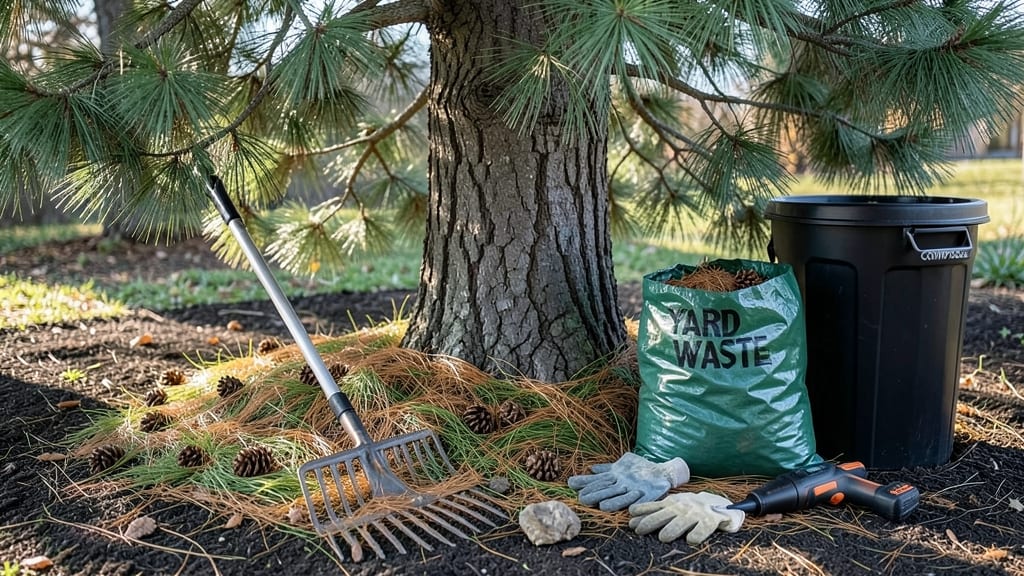
How to get rid of pine needles in your yard—without the backbreaking work? 🌲 The boil-and-pour method clears them in minutes—no endless raking or heavy bagging. I’ve used this technique to transform my once-needle-choked lawn into a clean, manageable space, and it’s faster than any alternative I’ve tried. The secret lies in boiling water, which breaks down the tough, waxy needles instantly. You’ll need a large pot, a hose or watering can, and 10-15 minutes of active work—no heavy equipment required. This method works best in fall or early spring, when needles are dry and brittle, making them easier to dislodge. What you’ll end up with is a yard free of thatch buildup, where grass can finally breathe and grow. The needles dissolve into the soil, adding organic matter without suffocating your lawn. It’s a game-changer for anyone tired of lugging heavy bags or watching their yard turn into a pine needle graveyard. For larger areas, repeat in sections, and consider wearing gloves—hot water can be surprisingly intense. The best part? No chemicals, no waste, just a yard that actually looks like yours again. Ready to reclaim your space?
📚 In This Guide
- What you need
- Instructions
- Tips and common mistakes
- Wrapping up and next steps
What you need
- ● Heavy-duty trash bags – 5–10 bags (30–50 gallon size) to haul away needles.
- ● Garden rake – A sturdy, wide-toothed rake (18–24" wide) for gathering needles efficiently.
- ● Shovel or garden fork – For breaking up thick mats of needles or digging out stubborn clusters.
- ● Wheelbarrow or large bin – To transport needles to your trash bags.
- ● Work gloves – Heavy-duty, water-resistant gloves to protect your hands.
- ● Boiling water – A large pot (10+ gallons) or a boil-and-pour system (like a pressure washer or hose attachment) to soften and kill weeds/grasses beneath the needles.
- ○ Vinegar or herbicide (optional but helpful) – 1 gallon of white vinegar or a pre-mixed weed killer to enhance the boil-and-pour effect.
- ● Leaf blower – For quick cleanup of light needle layers (especially on lawns).
- ● Knee pads – If you’ll be kneeling or working on hard ground for long periods.
- ● Face mask – To avoid inhaling dust or pine pollen if raking dry needles.
- ● Compost bin or mulch – If you want to repurpose needles instead of tossing them.
Step-by-Step instructions for clearing pine needles from your yard
Here's how to tackle those stubborn pine needles with a method that works fast and keeps them from returning.
🪴 Step 1: Gather the Right Tools and Safety Gear
Start by grabbing a sturdy heavy-duty trash bag (at least 30-gallon size for each section of your yard) and a garden rake with wide tines. You'll also want thick rubber gloves—pine needles can be sharp and irritating to handle. For larger areas, a leaf blower speeds up the process significantly, but a rake works just fine for smaller spaces.
I like to work in sections, so I keep a garden hose with a spray nozzle nearby to dampen stubborn piles. This prevents needles from blowing away while you're working. If you're dealing with a heavily shaded area, consider wearing a long-sleeved shirt to protect your skin from scratches.
✂️ Step 2: Rake or Blow Needles Into Piles
Begin at one edge of your yard and systematically rake the needles into neat piles. Work in 3-foot-wide sections to avoid missing spots. The key here is to gather them tightly—you want piles that are 12-18 inches wide so they're easy to handle. If you're using a leaf blower, direct the airflow into the center of your yard and then rake the concentrated piles into manageable heaps.
Watch for areas where needles accumulate under shrubs or along fences—these spots often get overlooked. Once you've cleared a section, move to the next one before the needles scatter again. I've found that working in 10-15 minute bursts prevents fatigue and keeps the job manageable.
💧 Step 3: Dampen and Bag the Needles
Lightly mist each pile with your garden hose until the needles are damp but not soaked. This makes them heavier and easier to handle. Grab your trash bag and flip it open—now's the time to use that heavy-duty material. I like to fold the top of the bag down about 6 inches to create a funnel shape, making it easier to pour the needles in without spilling.
Carefully tip the pile of needles into the bag, then seal it tightly. For extra security, I double-knot the bag to prevent any leaks. If you're dealing with a very large pile, you might need to use two bags. Place the sealed bags at the edge of your yard or along your driveway for easy pickup later.
🔥 Step 4: Dispose of Needles Properly
Once all the needles are bagged, it's time to remove them from your yard. I recommend taking them directly to your curbside trash collection or a local waste facility—pine needles are considered yard waste in many areas and can often be composted if your community allows it. If you're composting, place the bags in a dedicated yard waste bin rather than mixing them with food scraps.
Here's the thing—don't leave the bags sitting in your yard overnight. Pine needles can attract pests like rodents if they're left exposed. I've seen this happen when bags were left near woodpiles or under decks. Once they're gone, you'll notice a cleaner, more open space—no more tripping over needles or dealing with their sharp edges.
☀️ Step 5: Prevent Future Buildup
To keep pine needles from returning, consider installing landscape fabric or mulch mats in problem areas. These create a barrier that makes it easier to rake needles into piles. Another trick is to plant ground cover like clover or creeping thyme under pine trees—they'll outcompete the needles and reduce how much ends up in your yard.
If you have a particularly bad problem, you might want to schedule this cleanup twice a year, once in early spring and again in late fall. I've found that regular maintenance prevents the needles from becoming a major headache. Plus, your lawn will look neater and feel more comfortable to walk on.
Tips & tricks for clearing pine needles efficiently
These practical tricks will help you tackle pine needles faster while avoiding common pitfalls that make the job harder than it needs to be.
Work in Strategic Sections: The 3-foot-wide sections mentioned in Step 2 are perfect for maintaining focus. I recommend working in a zig-zag pattern across your yard rather than straight lines—this helps you spot hidden piles under shrubs or along fences that you might miss otherwise. Trust me on this: those overlooked spots are where needles accumulate most heavily.
Bagging Hack: When using your 30-gallon trash bags in Step 3, I've found that cutting the bag open lengthwise with scissors creates a wider funnel. This makes pouring those damp needle piles much easier without spilling. Just be sure to double-knot the bag afterward to keep everything contained—nothing's worse than watching needles escape while you're trying to seal the bag.
Timing Secret: Those 10-15 minute bursts in Step 2 actually work better if you take them more frequently. I've learned this the hard way after trying to power through longer sessions. Every 10 minutes, take a quick break to stretch your back and reassess which areas need attention next. You'll cover more ground and avoid fatigue that makes the job feel endless.
Prevention Pro Tip: For the landscape fabric mentioned in Step 5, I recommend using a heavy-duty version designed specifically for weed barriers. It's a small investment that pays off big time—especially if you have multiple pine trees. Just make sure to secure it tightly to the ground with landscape staples to prevent needles from working their way underneath.
Pro Tips for Get Rid Of Pine Needles In Yard
- These practical tricks will help you tackle pine needles faster while avoiding common pitfalls that make the job harder than it needs to be.
- Work in Strategic Sections: The 3-foot-wide sections mentioned in Step 2 are perfect for maintaining focus.
- Bagging Hack: When using your 30-gallon trash bags in Step 3, I've found that cutting the bag open lengthwise with scissors creates a wider funnel.
Frequently asked questions
Got questions about tackling pine needles in your yard? Here are some of the most common ones—and their solutions!
Why do pine needles pile up so fast in my yard?
Pine trees are heavy producers—some varieties shed up to 10 pounds of needles per year per tree! Their waxy coating also makes them slow to decompose, so they accumulate faster than grass clippings or other yard waste. Regular cleanup (like the boil-and-pour method) keeps them from smothering grass or creating fire hazards.
Is there a best time of year to remove pine needles?
The fall and winter are ideal—needles are dry and brittle, making them easier to rake or sweep. Avoid spring, when new growth might be delicate. Pro tip: Early morning is best for outdoor work; needles stick less to tools when damp with dew!
Will pine needles kill my grass if I leave them?
Not immediately, but they can suffocate grass over time by blocking sunlight and air. A thick layer (over 1 inch) may also encourage fungal growth or pests like chinch bugs. For lawns, aim to clear needles 2–3 times a year—or use them as mulch in garden beds instead!
Is the boil-and-pour method safe for pets or kids?
Yes! This method uses hot water and vinegar—both non-toxic once cooled. However, supervise kids/pets near boiling water. For extra safety, wear gloves and avoid spraying near plants sensitive to vinegar (like azaleas). Always let the solution cool completely before letting pets roam the area.
What’s a faster alternative if I don’t want to boil water?
Try these quick fixes:
- Leaf blower: Attach a vacuum nozzle to suck needles into a bag.
- Rake + tarp: Drag a tarp over needles, tie it, and toss it in the trash.
- Shredder: Run needles through a chipper/shredder to break them down for compost.
Wrapping up and next steps
Getting rid of pine needles in your yard doesn’t have to be a daunting task! With the boil-and-pour technique, you’ve got a fast, effective, and eco-friendly solution at your fingertips.
Whether you’re tackling a small patch or a full yard, consistency is key—just grab your supplies, follow the steps, and enjoy the transformation. 🌿
Now that you’re armed with the know-how, take action today! Start small, test a corner of your yard, and watch those needles disappear.
Before you know it, your lawn will be clear, and you’ll be ready to move on to other yard projects—like planting new flowers or sprucing up your outdoor space. You’ve got this! 💪