
Pests
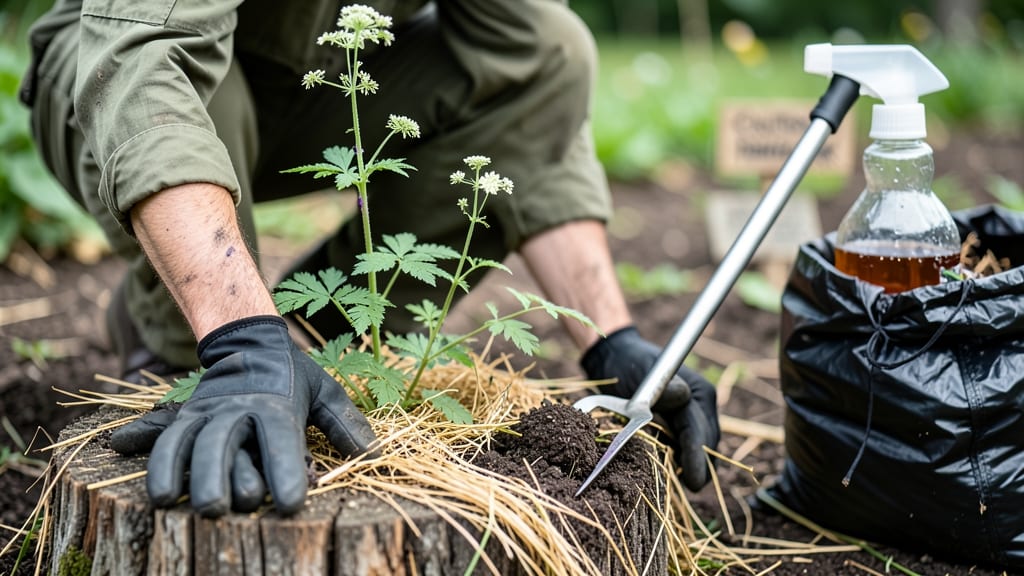
How to get rid of poison hemlock naturally—once it takes root, this invasive plant grows with terrifying speed and persistence. 🌱 I’ve pulled it from my garden twice, and the boiling water method is the only thing that’s actually stopped it from creeping back within weeks. This isn’t just about yanking plants; it’s about killing the roots deep enough to prevent regrowth.
The key is timing and technique: pull when soil is moist, then pour 212°F water directly into the hole left behind. The heat sears roots while vinegar or salt can’t reach deep enough.
Most gardeners skip this step and end up with stubborn sprouts—don’t be one of them. Safety first: wear gloves and long sleeves, because sap contact can irritate skin.
You’ll see results within 24 hours—wilting, then total collapse. For stubborn patches, repeat weekly until no new growth appears. The soil stays usable afterward, unlike harsh chemicals that linger. This method works for both small gardens and larger infestations, as long as you’re consistent.
Prevention matters more than cleanup: mulch heavily after removal to block sunlight, and monitor for new shoots. Poison hemlock spreads seeds aggressively, so act before it spreads. Here’s exactly how to do it without risking your garden’s health—or your own.
The Hidden Roots of Hemlock Spread
Poison hemlock (Conium maculatum) isn’t just an accidental guest in your garden—it’s a strategic invader with a survival plan. Understanding why it thrives where it does is the first step to outsmarting it.
This aggressive biennial weed doesn’t just pop up randomly; it exploits specific conditions to dominate landscapes. Let’s break down the science behind its persistence.
Poison hemlock is a sun-worshipper that thrives in full sunlight, making it a common nuisance in open fields, roadside ditches, and neglected gardens. Here’s why:
- Light Requirements: It needs 6+ hours of direct sunlight daily to photosynthesize efficiently. Shade from trees or dense plantings slows its growth, but it can still persist in partial shade if other conditions are right.
- Moisture Love: Hemlock roots seek well-drained but consistently moist soil. It’s often found near water sources, irrigation lines, or areas with poor drainage where water pools. Pro tip: 💡 If your yard floods after rain, hemlock may have already staked its claim.
- Poor Soil Tolerance: Unlike picky plants, hemlock flourishes in nutrient-poor, compacted, or disturbed soil. Construction sites, freshly tilled garden beds, and areas with high clay content become its playground. It even outcompetes native plants by releasing allelopathic chemicals that inhibit growth.
Actionable Insight: If your yard fits this description—sunny, damp, and disturbed—hemlock sees it as an all-you-can-eat buffet. The good news? Starve it of sunlight or dry out its roots, and you’ll weaken its grip.
One hemlock plant can produce up to 50,000 seeds per year, and these seeds are lightweight, wind-dispersed, and long-lived. Here’s how they take over:
- Windborne Spread: Seeds hitch rides on breezes, traveling up to 1 mile from the parent plant. This explains why hemlock appears suddenly in seemingly pristine areas.
- Germination Triggers: Seeds lie dormant until soil disturbance (like tilling or construction) or moisture fluctuations signal safety. A single rainstorm after a dry spell can kickstart a germination party.
- Longevity: Hemlock seeds can remain viable in the soil for up to 5 years, meaning old infestations can resurface if conditions improve.
Actionable Insight: Prevention is key. Mulch heavily to block light, avoid over-tilling, and remove seeds before they mature (wear gloves—never compost hemlock plants!).
Hemlock’s root system is its secret weapon. Unlike shallow-rooted weeds, it develops a deep, fibrous taproot that:
- Stores Nutrients: The taproot acts as a food reserve, allowing the plant to regrow from even small root fragments. This is why pulling (without the root) often fails.
- Competes for Water: Hemlock roots extend 3–5 feet deep, outcompeting nearby plants for moisture. In drought-prone areas, it can thrive while other vegetation wilts.
- Resists Herbicides: Its thick, woody roots absorb and metabolize many herbicides, making chemical control hit-or-miss.
Actionable Insight: To truly eliminate hemlock, you must kill the entire root system. Boiling water (as covered in our technique) or solarization (covering with clear plastic) can cook roots alive. Pro tip: 🔥 Reapply treatments in 2–3 weeks to target any regrowth.
Unlike many weeds, poison hemlock has few natural enemies in North America. Here’s why it faces little resistance:
- Toxic to Herbivores: Its sap contains coniine and gamma-coniceine, neurotoxins that repel deer, rabbits, and even insects. Livestock poisoning is a real risk if hemlock invades pastures.
- Slow Decomposition: When hemlock dies, its alkaloid-rich remains can linger in the soil, suppressing beneficial microbes that might otherwise break it down.
- Human Spread: Unfortunately, people accidentally spread seeds via contaminated hay, garden tools, or even muddy tires after hiking.
Actionable Insight: Since nature won’t handle hemlock for you, manual removal + root treatment is your best bet. Pro tip: 🌡️ Monitor treated areas for 2 years—new sprouts may emerge from dormant seeds or missed roots.
Now that you know why poison hemlock takes over, the next step is how to fight back. Stay tuned for our boiling water technique—a root-killing method that works where chemicals fail.
Natural Ways to Eradicate Poison Hemlock
Now that you understand why poison hemlock thrives and how it spreads, it’s time to take action. This invasive plant is dangerous but not unbeatable—especially when you use natural, chemical-free methods to eliminate it for good.
Below are targeted solutions based on the root causes of infestation, along with prevention tips to keep it from returning.
If you catch poison hemlock early, physical removal can be highly effective—just do it the right way.
👨🍳 Step-by-Step Digging & Extraction
- Wear protective gear – Gloves, long sleeves, and goggles are a must. Poison hemlock’s sap can irritate skin, and its seeds are toxic if ingested.
- Cut at the base – Use pruners or a sharp shovel to sever the stem 1–2 inches below soil level. This prevents regrowth from the top.
- Pull the roots – Grasp the plant and wiggle it free while lifting upward.
If resistance is strong, use a garden fork to loosen the soil first. 4. Inspect for root fragments – Even small pieces can sprout. Bag and dispose of all plant material in sealed trash (not compost). 5. Monitor the area – New shoots may appear in 2–4 weeks.
Repeat removal if needed.
✨ Pro Tip: Work on a dry, sunny day—wet soil makes roots harder to extract.
For stubborn patches or large infestations, boiling water is a fast, organic herbicide that penetrates deep into the root zone.
🔥 How to Apply Boiling Water
- Prep the area – Clear debris around the plant to ensure water reaches the roots.
- Heat water to boiling – Use a large pot, kettle, or even a pressure washer (set to high heat) if available.
- Pour directly over roots – Aim for the base of the stem and surrounding soil. Use 1–2 gallons per plant for best results.
- Repeat weekly – Poison hemlock has a deep taproot, so 3–5 treatments may be needed to fully kill it.
- Smother with mulch – After treatment, cover the area with cardboard + mulch to prevent regrowth.
💡 Pro Tip: Add 1 tbsp of dish soap per gallon to help break down the plant’s waxy coating for better absorption.
For larger areas, a vinegar-salt mix can act as a natural herbicide—just be cautious, as it also kills nearby plants.
🍳 DIY Recipe & Application
| Ingredient | Amount | Purpose |
|---|---|---|
| White vinegar (20% acidity) | 1 gallon | Kills plant cells on contact |
| Salt | 1 cup | Enhances drying effect |
| Dish soap | 1 tbsp | Helps solution stick to leaves |
Steps:
- Mix ingredients in a spray bottle or watering can.
- Spray generously on leaves and soil around the base.
- Reapply every 3–5 days until the plant wilts and dies.
- Dig up dead roots after 1–2 weeks.
⚠️ Warning: This method can harm beneficial plants—use only in targeted areas or where poison hemlock is the sole concern.
Poison hemlock cannot survive without sunlight. Use smothering techniques to cut off its energy source.
🌡️ Two Effective Methods
- Cardboard + Mulch Barrier
- Lay thick cardboard or newspaper over the infested area.
- Secure edges with rocks or soil.
- Cover with 4–6 inches of mulch (straw, wood chips, or leaves).
- Wait 4–6 weeks—the plant will decompose underground.
- Plastic Sheeting (Solarization)
- Cover the area with clear plastic sheeting (secured tightly).
- Leave in full sun for 4–8 weeks—heat will kill roots.
- Remove plastic, dig up dead roots, and replant with competitive ground cover.
🎯 Best For: Large patches where manual removal would be too labor-intensive.
The best defense is a strong offense. Here’s how to stop poison hemlock before it starts:
- 🌱 Plant Competitive Ground Covers – Dense clover, creeping thyme, or living mulches outcompete weeds.
- 🌿 Maintain Healthy Lawns/Gardens – Regular mowing and weeding reduce empty spaces where hemlock seeds germinate.
- 🗑️ Dispose of Seeds Properly – Never compost poison hemlock. Bag and trash all plant parts.
- 🔍 Inspect New Plants & Soil – Check potted plants, mulch, and garden soil for seeds before bringing them home.
- 🌞 Encourage Beneficial Insects – Ladybugs and parasitic wasps naturally control weeds in balanced ecosystems.
If poison hemlock is spreading rapidly (e.g., in a field or large garden) or near water sources, consider hiring a certified weed control specialist. They have industrial-strength tools (like steam weeders or targeted herbicides) for stubborn cases.
Final Reminder: Always double-check that you’ve removed all roots—even a tiny fragment can regrow into a toxic menace. With persistence, your yard can be hemlock-free in 3–6 months!
Frequently asked questions
Is poison hemlock dangerous to touch?
Yes, handling poison hemlock poses risks. The plant contains toxic alkaloids that can irritate skin and cause rashes. Wearing thick gloves and long sleeves is essential. Avoid touching your face or eyes after contact, and wash hands thoroughly with soap and water. Never burn the plant—its smoke contains toxic fumes.
How long does it take for boiling water to kill poison hemlock roots?
Boiling water kills visible foliage immediately, but roots may take 3-5 days to fully die. For complete eradication, repeat treatments weekly for 2-3 weeks to ensure all root fragments are destroyed. Monitor the area for new shoots—regrowth indicates missed roots.
Can I use vinegar alone to kill poison hemlock?
Vinegar alone is less effective than the vinegar-salt mix because it lacks the drying power of salt. For best results, combine 1 gallon white vinegar (20% acidity) with 1 cup salt and 1 tbsp dish soap. This mixture penetrates deeper and accelerates plant death. Reapply every 3-5 days until the plant wilts completely.
What should I do if poison hemlock spreads to my vegetable garden?
Act immediately to prevent contamination. Remove all plants within a 10-foot radius and dispose of them in sealed trash. Test soil pH—hemlock thrives in neutral to slightly alkaline conditions (pH 6.0-7.5). Lowering pH with sulfur or composted pine needles can discourage regrowth. Avoid composting any hemlock material.
Will mulching prevent poison hemlock from coming back?
Mulching helps suppress regrowth but won't prevent it entirely. Use 4-6 inches of organic mulch (wood chips or straw) to block sunlight, but check monthly for new shoots. Combine mulching with the boiling water method for stubborn patches. For long-term prevention, plant competitive ground covers like clover or creeping thyme.