
How To
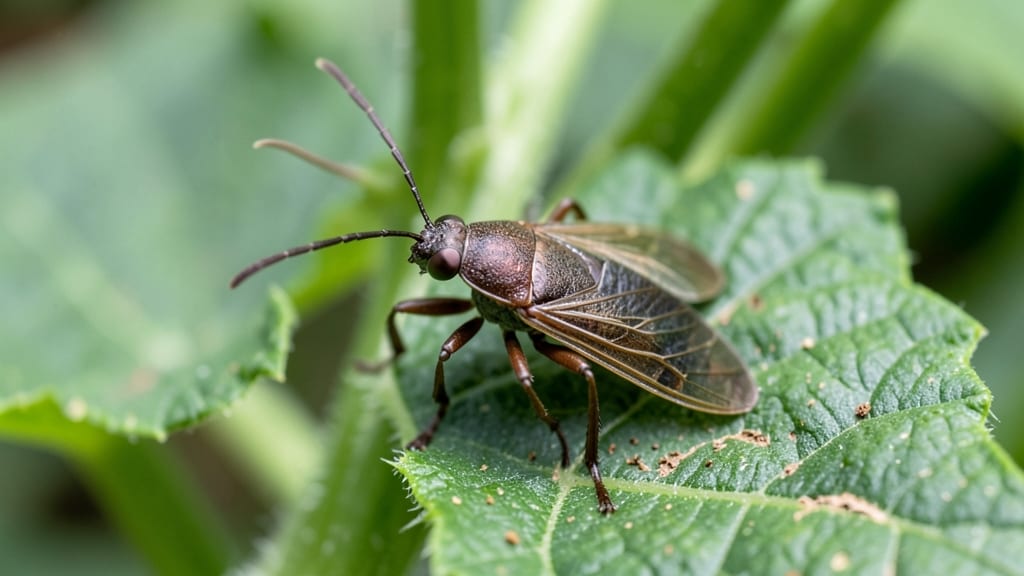
How to get rid of squash bugs organically—it’s the battle every summer gardener dreads. 🌿 I’ve lost entire patches of zucchini and pumpkins to these shield-backed pests, but neem oil isn’t just a spray—it’s a life-cycle breaker that stops them for good. The key? Timing, consistency, and a few sneaky tricks most gardeners miss.
Neem oil disrupts squash bugs at every stage—eggs, nymphs, and adults—while also repelling future invaders. You’ll need 1 tablespoon of neem oil per quart of water, a drop of dish soap (as an emulsifier), and a spray bottle.
The real magic happens when you apply it at dusk, when bugs are most active but before it evaporates in the sun.
Within 3-5 days, you’ll see fewer eggs on leaves and existing bugs will start dying off. But here’s the game-changer: combine it with manual removal. Crush adults between your fingers (yes, it’s gross but effective) and scrape eggs off stems with a plastic card.
This two-step attack keeps your squash thriving without synthetic chemicals.
This method works in any climate where squash bugs thrive—from humid Southern gardens to dry Western plots. The only catch? You’ll need to reapply every 7-10 days during peak squash bug season. Trust me, your plants will thank you.
Root Causes of Squash Bug Infestations
Squash bugs are more than just a nuisance—they’re stealthy, persistent, and can devastate your garden if left unchecked. Understanding why they show up in the first place is the first step to kicking them out for good.
Below, we break down the science-backed reasons these shield-backed pests target your squash, pumpkins, and melons, so you can address the problem at its source.
Squash bugs thrive in dense, unmanaged plantings where air circulation is poor. Here’s why:
- Moisture Traps: Thick foliage holds onto dew and rainwater, creating the perfect humid microclimate squash bugs crave. Their eggs need high humidity to hatch, and adults seek damp spots to feed and reproduce. 🌧️
- Hiding Spots: Crowded plants provide shade and shelter from predators (like birds or parasitic wasps) and from extreme temperatures. A single squash vine can support hundreds of eggs if left unchecked, thanks to the cover.
- Weakened Plants: When plants are too close, they compete for nutrients, becoming stressed and more vulnerable to squash bug attacks. Bugs target already struggling plants because their phloem sap (the plant’s nutrient-rich fluid) is easier to access.
Actionable Fix: Space plants 3–4 feet apart and thin seedlings early to improve airflow. Mulch with straw or leaves to dry out the soil surface—squash bugs avoid dry conditions.
Squash bugs are specialized feeders—they only target plants in the Cucurbitaceae family, which includes:
- Squash (butternut, zucchini, acorn)
- Pumpkins
- Cucumbers
- Melons (watermelon, cantaloupe)
- Gourds
But why these plants? Their sap is rich in sugars and amino acids, making it a high-energy meal for squash bugs. Plus, their large, broad leaves provide ideal egg-laying surfaces. 🍉🎃
Scientific Insight: Squash bugs detect these plants using chemical cues (volatiles released by the leaves). If you’ve had an infestation before, the soil and plant debris can retain these signals, luring new bugs back year after year.
Actionable Fix:
- Rotate crops annually—never plant cucurbits in the same spot two years in a row.
- Use trap crops (like bush beans or nasturtiums) to distract bugs away from your main plants.
- Remove all plant debris in fall to eliminate lingering chemical signals.
Squash bugs are overwintering masters. Their eggs can survive winter frost in garden debris, and they hatch as soon as temperatures rise. Here’s how soil conditions play a role:
| Condition | Why It Helps Squash Bugs |
|---|---|
| Rich, organic soil | Warms up faster in spring, triggering early hatching (as early as March in warm climates). |
| Mulched beds | Retains moisture and heat, creating a cozy incubator for eggs. |
| South-facing garden spots | Receives more sunlight, speeding up soil warming and egg development. |
Pro Tip: If your garden is overly fertile (especially with nitrogen), squash bugs will find it even more appealing. They prefer lush, fast-growing plants—so balance your soil with compost and organic matter like wood chips to slow their growth. 🌱
Squash bugs don’t have many natural enemies, but when their predators are absent, populations explode. Key missing players include:
- Parasitic Wasps (like Telenomus bassae): These tiny wasps lay eggs inside squash bug eggs, killing them before they hatch.
- Spiders: Hunt adult squash bugs, especially in diverse, undisturbed gardens.
- Ground Beetles: Devour squash bug nymphs and eggs.
- Birds: Peck at adults but are less effective if your garden is too dense for them to spot bugs.
Why Aren’t They Around?
- Monoculture gardens (planting only cucurbits) remove habitat diversity, making it harder for predators to thrive.
- Pesticides (even organic ones) can kill beneficial insects along with pests.
- Tilled soil destroys beetle and wasp habitats.
Actionable Fix: Boost predator populations by:
- Planting companion flowers (like dill, fennel, or marigolds) to attract beneficial insects.
- Avoiding tilling—leave leaf litter in corners of the garden for beetles.
- Installing birdhouses or bat boxes near your garden.
Now that you know why squash bugs crash your garden parties, you’re ready to flip the script with organic control methods—starting with neem oil’s power to break their life cycle. 🚀
Natural Fixes for Squash Bug Woes
Squash bugs are stubborn pests, but with the right organic strategies, you can reclaim your garden without harsh chemicals. Below are targeted solutions based on the root causes—from egg-laying habits to adult infestations—along with prevention tips to keep these bugs at bay for good.
Squash bugs lay eggs in clusters on the undersides of leaves, and crushing them manually is the most effective early intervention.
- 👨🍳 Scrape and Squash Inspect leaves daily (especially in early summer) and scrape eggs into soapy water. Use a plastic spoon or your fingernail to avoid damaging the plant. Pro tip: 💡 Focus on the leaf veins and midribs—their favorite spots!
- 🌡️ Heat Treatment (For Small Infestations) Place infested leaves in a sealed plastic bag and leave them in direct sunlight for 2–3 hours. The heat kills eggs and young nymphs.
Nymphs are soft-bodied and vulnerable, making them easier to eliminate than adults.
- 🔪 Handpick and Drop Wear gloves and crush nymphs into soapy water. Check under leaves, along stems, and in leaf litter. ✨ Speed tip: Use a damp paper towel to gently wipe them off leaves before disposal.
- 🥘 Neem Oil Spray (Best for All Stages) Mix 1 tbsp neem oil + 1 tsp mild dish soap + 1 quart water in a spray bottle. Apply in the early morning or late evening to avoid harming bees. Reapply every 5–7 days until no more nymphs appear.
Adult squash bugs are tougher but can be lured or trapped with organic methods.
- 🍎 Beer Trap (Simple & Effective) Bury a shallow dish (like a yogurt cup) filled with beer near squash plants. The bugs are attracted to the yeast and drown. Refresh every 2–3 days.
- 🌿 Row Covers (Physical Barrier) Use floating row covers over young plants to block adults from laying eggs. Secure edges tightly and remove covers when flowers appear to allow pollination.
- 🕷️ Encourage Predators Attract beneficial insects like ground beetles, spiders, and parasitic wasps by planting dill, fennel, or marigolds nearby. These natural enemies devour squash bug eggs and nymphs.
Once you’ve eliminated the current batch, take steps to stop reinvasion.
- 🌱 Rotate Crops Avoid planting squash, pumpkins, or cucumbers in the same spot for at least 3 years to break the bug’s life cycle.
- 🍂 Clean Up Debris Remove all plant debris, vines, and fallen leaves in autumn—these hide overwintering adults. Compost only after freezing to kill any remaining eggs.
- 🌿 Companion Planting Plant nasturtiums, radishes, or thyme near squash plants to repel squash bugs with their strong scents.
- 🌱 Healthy Soil = Strong Plants Squash bugs target stressed plants. Ensure your garden has well-draining soil, adequate water, and balanced nutrients (use compost or organic fertilizer).
- Neem oil: Every 5–7 days until no new nymphs appear.
- Handpicking/trapping: Daily for 2 weeks, then reduce to 2–3 times per week as infestations decline.
- Prevention: Monthly inspections during growing season to catch early signs.
With consistency, these organic methods will break the squash bug life cycle and protect your harvest—no chemicals required! 🚀
Frequently asked questions about organic squash bug control
How soon will I see results from neem oil treatments?
You should notice a difference within 3-5 days of consistent application. Neem oil disrupts the squash bug life cycle by preventing eggs from hatching and causing adults to die within 24-48 hours of contact. For best results, apply every 5-7 days during peak season (late spring to early fall).
Can I use neem oil if I have bees in my garden?
Yes, but with precautions! Apply neem oil only in the evening when bees are less active. Avoid spraying flowers directly, as neem can harm pollinators. For extra protection, use a 1 tablespoon neem oil + 1 quart water mix (lower concentration) and focus on leaf undersides where squash bugs hide.
What's the best time of day to check for squash bug eggs?
Early morning is ideal—bugs are sluggish after cool nights, making eggs easier to spot. Look under leaves (especially along veins) and on stems. Use a magnifying glass for better visibility. Check every 3-4 days during warm weather, as eggs can hatch within 7-10 days.
Will companion planting alone stop squash bugs?
Companion planting helps but isn't a standalone solution. Nasturtiums and radishes repel some bugs, but you'll still need to combine them with neem oil or manual removal. The key is creating an unappealing environment—plant strong-scented herbs like thyme or marigolds near your squash, and pair with regular inspections to catch early signs.
Why do squash bugs keep coming back after I treat them?
This usually happens because their eggs survive in garden debris or nearby plants. Always remove all plant material in fall, rotate crops yearly, and treat neighboring plants (even non-cucurbits) since bugs may hide there. Overwintering adults can also emerge early spring—start prevention before planting season.