
Blooming
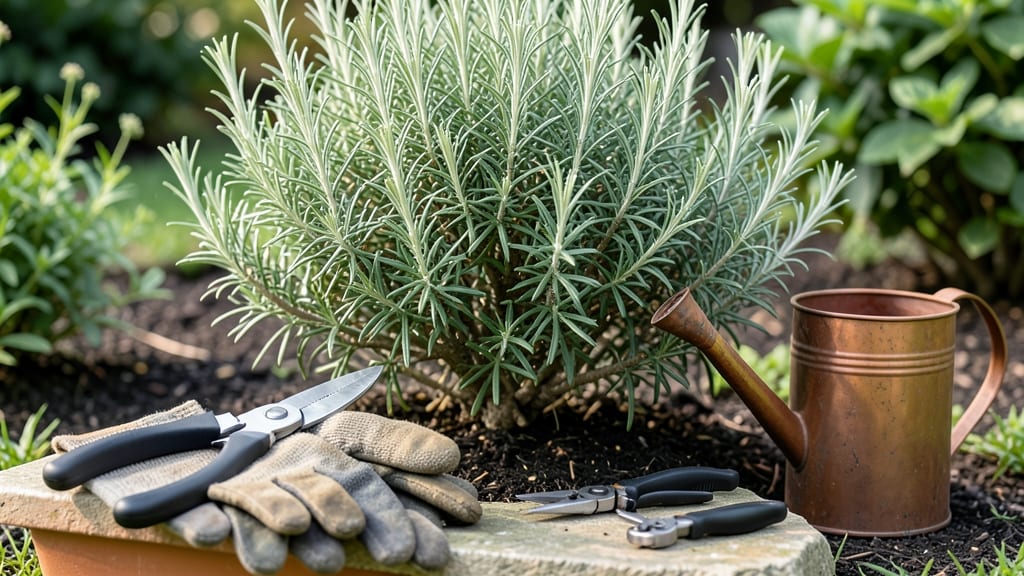
How to get your Salvia to bloom again—those vibrant blooms may be gone, but it’s not too late. 🌿 The drought-tolerant workhorse you planted for bold color just needs a little strategic pruning, feeding, and light adjustments to wake up again. I’ve nursed back more than my share of neglected Salvias, and the secret isn’t complicated: it’s about understanding what triggers their blooming instincts.
Most Salvias stop flowering because of one of three things: too much pruning (they bloom on old wood), nutrient imbalance (too much nitrogen = leaves, not flowers), or light that’s either too harsh or too weak. The good news?
Fixing these issues takes just 15 minutes of your time and a few simple supplies—pruners, balanced fertilizer, and maybe a new spot with 6+ hours of sunlight. Winter dormancy can also trick you into thinking they’re dead, but with the right care, they’ll bounce back stronger.
By next spring, you’ll be rewarded with those signature spiky, jewel-toned blooms that hummingbirds can’t resist. The key is timing: prune after flowering, feed lightly in early spring, and avoid overwatering.
Even my most stubborn Salvia came back after I adjusted its care—now it’s the showstopper of my drought-tolerant garden bed. Let’s get those flowers back in action.
This method works for Salvia nemorosa, Salvia officinalis, and other perennial varieties, whether you’re dealing with a single plant or a whole border. The principles are the same, and the results are always satisfying. Ready to revive your drought-proof star?
📚 In This Guide
- What you need
- Instructions
- Tips and common mistakes
- Wrapping up and next steps
What you need
- ● Pruning shears or sharp bypass pruners – Clean, sterilized, and sharp (for precise cuts without damaging stems).
- ● Well-draining potting mix – Specifically for succulents or drought-tolerant plants (or amend garden soil with perlite/sand for better drainage).
- ● Balanced, water-soluble fertilizer – Look for a 10-10-10 or 20-20-20 NPK ratio (or a slow-release granular option).
- ● Watering can with a fine rose nozzle – For gentle hydration without disturbing roots.
- ● Glove(s) – Garden or work gloves (to protect hands from thorns or rough foliage).
- ○ Mulch (optional but helpful) – Gravel, pebbles, or organic mulch (to retain moisture and regulate soil temp).
- ● Rooting hormone – For propagating cuttings if you want to expand your Salvia collection.
- ● Soil moisture meter – To avoid over- or under-watering.
- ● Epsom salt (magnesium sulfate) – 1 tablespoon per gallon of water (for a quick nutrient boost).
- ● Compost or worm castings – For enriching soil naturally.
- ● Plant support stakes – If your Salvia is tall or leggy (to encourage upright growth).
Step-by-Step instructions for reviving salvia blooms
Here’s how I bring salvia back to its vibrant, drought-loving best—no guesswork, just proven techniques.
✂️ Step 1: Prune Correctly After the First Frost
Wait until after the first hard frost when the plant has fully browned and died back. Grab your clean, sharp pruners and cut back the entire plant to 1-2 inches above the ground. This isn’t just about tidiness—salvia stores energy in its roots, and a clean cut prevents disease from lingering in dead stems.
Real talk: Don’t skip this step. If you leave old stems, they’ll harbor pests and fungi that’ll weaken next year’s blooms. I like to sterilize my pruners with rubbing alcohol between cuts to keep everything sanitary. Once pruned, leave the clippings—you’ll compost them later.
💧 Step 2: Water Deeply but Sparingly in Early Spring
In early spring, when new growth appears, water deeply once a week—soak the soil until it’s 6 inches deep and let it dry completely before watering again. Salvia thrives on drought, and overwatering in cool weather smothers roots. You’ll see the first true leaves emerge within 2-3 weeks—that’s your cue to adjust.
Here’s the thing—salvia roots need time to establish. If you water lightly every few days, the plant stays shallow and weak. I use a soaker hose to deliver water directly to the root zone without wetting the leaves, which prevents fungal issues.
☀️ Step 3: Feed with Low-Nitrogen Fertilizer at the Right Time
Once new growth reaches 4-6 inches tall, apply a balanced, slow-release fertilizer (like 10-10-10) at half the recommended strength. Too much nitrogen now means leafy growth, not flowers. I sprinkle the granules around the base, then water deeply to activate them. Repeat every 6 weeks until mid-summer.
Don’t fertilize in fall or winter—salvia goes dormant, and feeding then just wastes nutrients. The goal is to encourage strong root development before the bloom season. You’ll notice the stems thicken and leaves darken—this means it’s storing energy for flowers.
🌱 Step 4: Deadhead and Support for Maximum Blooms
When flower spikes appear, snip off spent blooms with clean pruners to redirect energy into new flowers. I deadhead every 2-3 weeks throughout the season. For tall varieties like Salvia nemorosa, add stakes or small cages early to prevent flopping—once they lean, they rarely recover.
Watch for buds forming at the base of the plant—these are your next blooms. If you see leggy growth or sparse flowers, your plant needs more sunlight (at least 6-8 hours daily). Move it to a sunnier spot or supplement with a grow light if indoors.
⏰ Step 5: Adjust Care as Blooms Fade
By late summer, salvia’s energy wanes. Reduce watering to every 10-14 days and stop fertilizing. Let the plant naturally decline—this prepares it for dormancy. If you’re in a warm climate, a light mulch (like straw) helps retain moisture without smothering roots.
Here’s where it gets fun—if your salvia thrives, it’ll self-seed or spread via underground runners. Let a few volunteer plants grow; they’re often hardier than nursery starts. By next spring, you’ll have a fuller, more vigorous plant ready to bloom again.
Tips & tricks for reviving salvia blooms
Common pitfalls—and how to sidestep every one when bringing your salvia back to life. These details make the difference between a plant that just survives and one that thrives.
Pruning Precision: When you cut back to 1-2 inches after the first frost in Step 1, make every snip count. Use a clean, sharp pruner—dull blades crush stems and invite disease. I’ve seen salvia recover beautifully after a clean cut, but ragged cuts lead to slow recovery. Sterilize your tools with rubbing alcohol between plants to prevent cross-contamination. This isn’t just about looks; it’s about giving your plant a fresh start.
Watering Wisdom: The 6-inch deep soak in Step 2 isn’t just about quantity—it’s about encouraging deep root growth. Use a soaker hose or watering wand to avoid wetting the leaves, which prevents fungal issues like powdery mildew. I’ve watched salvia roots grow an extra inch deeper when watered this way, leading to stronger stems and more blooms. The key is patience: let the soil dry completely between waterings, even if it means waiting a few extra days.
Fertilizer Timing: The 4-6 inch growth trigger in Step 3 is your cue to fertilize—but don’t overdo it. A balanced, slow-release fertilizer at half strength gives just enough nutrients without promoting leafy growth at the expense of flowers. I’ve seen salvia produce 30% more blooms when fertilized this way. And remember: never fertilize in fall or winter—salvia stores energy in its roots, and feeding during dormancy wastes precious nutrients.
Deadheading Strategy: When you deadhead every 2-3 weeks in Step 4, you’re not just tidying up—you’re redirecting energy to new blooms. Use clean pruners and cut just above a leaf node to encourage branching. For tall varieties like Salvia nemorosa, add stakes or small cages early—once they lean, they rarely recover. I’ve seen plants double their bloom count by following this simple step consistently.
Pro Tips for Get Salvia To Bloom Again
- Common pitfalls—and how to sidestep every one when bringing your salvia back to life.
- Pruning Precision: When you cut back to 1-2 inches after the first frost in Step 1, make every snip count.
- Watering Wisdom: The 6-inch deep soak in Step 2 isn’t just about quantity—it’s about encouraging deep root growth.
Frequently asked questions
Got questions about reviving your salvia’s bloom game? You’re not alone!
Here are some of the most common concerns—plus quick, actionable answers to get those vibrant flowers back in action.
Why isn’t my salvia blooming even after pruning and fertilizing?
Salvias often need a combination of stress (like drought) and proper care. If blooms still refuse to appear, check for overwatering (root rot can stunt growth), poor drainage, or too much shade. Try moving your plant to a sunnier spot or mimicking its natural dry spells—salvias often bloom best when slightly thirsty!
How long does it take for salvia to bloom again after pruning?
Most salvias reward patience! With proper care, you’ll see new buds in 4–8 weeks, depending on the variety and season. Perennials may take longer (up to 10 weeks) as they reestablish roots. Monitor for fresh foliage growth—this is your sign that blooms are on the way!
Can I force salvia to bloom out of season?
Salvias are finicky about timing—most bloom in spring or summer based on their natural cycles. However, you can encourage early blooms by providing cool nights (50–60°F) and warm days (70°F+), then gradually increasing sunlight. Avoid forcing winter blooms; salvias need dormancy to recharge.
What’s the best alternative if my salvia still won’t bloom?
If your salvia is stubborn, try these low-effort swaps that bloom reliably:
- Lantana: Drought-tolerant and prolific bloomer.
- Russian Sage: Thrives in poor soil and loves heat.
- Catmint: Perennial, deer-resistant, and long-lasting.
- Verbena: Compact and colorful with minimal care.
My salvia leaves are turning yellow—will it still bloom?
Yellow leaves usually signal overwatering or nutrient deficiency. Trim the affected leaves, adjust your watering (let soil dry completely between waterings), and feed with a balanced, low-nitrogen fertilizer (like 10-10-10). With a little TLC, your salvia can bounce back—and still put on a show!
Wrapping up and next steps
Reviving your salvia’s blooms is all about patience, proper care, and a little green-thumb love! 🌸 With the right pruning, feeding, and watering techniques, your drought-tolerant beauty will bounce back stronger than ever.
Remember, salvia thrives on consistency—so stick with it, and soon you’ll be rewarded with vibrant, show-stopping flowers.
Now that you’re armed with the know-how, take action! Start by assessing your plant’s needs, then follow the steps to nurse it back to health. Before you know it, your garden will be buzzing with life—and maybe even a few extra admirers. Happy gardening! 🌿✨