
Size
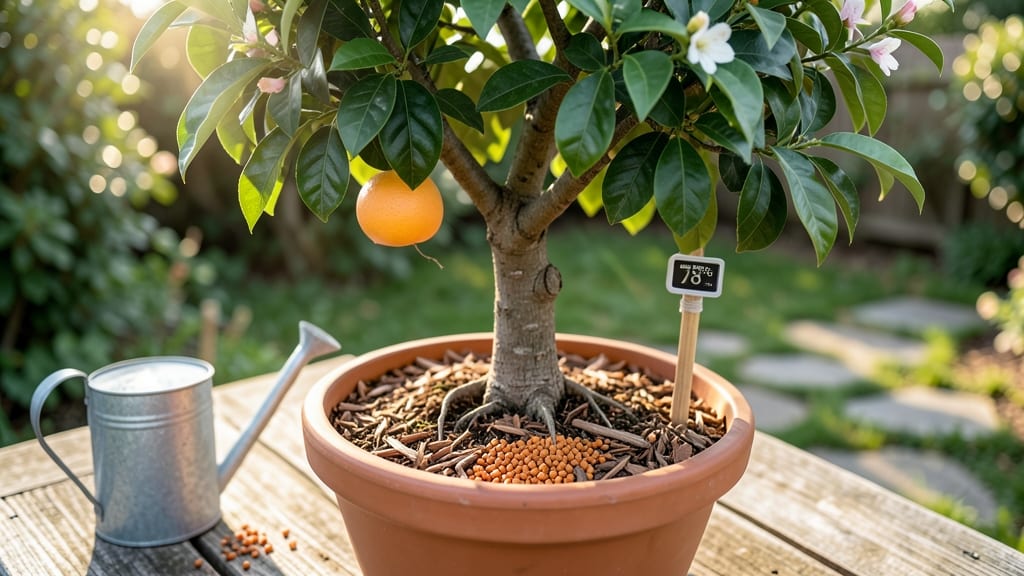
How to grow a tangerine tree—your first one is just six months away from fruiting if you nail the sunlight. 🌞 The secret isn't complicated: citrus trees demand full sun (8+ hours daily) and hate cold drafts, yet most beginners overlook these basics until their plants struggle. I learned this after my first tree's leaves yellowed from inconsistent light, and now I'm sharing the exact conditions that turn seedlings into productive trees.
Start with the right setup: well-draining soil (mix sand or perlite into potting mix), a container with drainage holes if growing indoors, and a spot where temperatures stay above 40°F year-round. Tangerines thrive in zones 9-11, but container growers in colder climates can overwinter trees indoors near a sunny window.
Water when the top inch of soil feels dry—overwatering kills citrus faster than anything else.
By year two, you'll see glossy new leaves and tiny flower buds forming. The first fruit won't be perfect, but each season improves as the tree matures. Prune only to remove dead branches or shape the canopy, and fertilize lightly during spring/summer with citrus-specific nutrients.
Patience pays off: a healthy tangerine tree produces fruit for decades.
Common early issues? Yellow leaves often mean overwatering or nutrient deficiency, while slow growth usually signals insufficient light. Move your tree closer to a south-facing window or invest in a grow light if needed.
With consistent care, you'll harvest sweet, fragrant tangerines that taste nothing like store-bought—just don't expect them until the tree is 3-5 years old.
📚 In This Guide
- What you need
- Instructions
- Tips and common mistakes
- Wrapping up and next steps
What you need
- ● Tangerine Tree: 1 seedling (from a grocery store tangerine) OR
- ● 1 potted sapling (3–6 inches tall, from a nursery) OR
- ● 1 grafted tree (for faster fruit, 1–3 years old)
- ● Well-draining soil: 5–10 gallons of a mix of: 60% potting soil (organic, peat-free preferred)
- ● 30% perlite or coarse sand (for aeration)
- ● 10% compost (for nutrients)
- ● Container or planting site: Potted option: 1 5–7 gallon pot (with drainage holes) OR
- ● Outdoor option: Full-sun spot (6+ hours/day) with 6+ feet of space for mature growth
- ● Fertilizer: 1 balanced citrus fertilizer (e.g., 6-6-6 or 8-3-9 NPK ratio)
- ● 1 slow-release granules (for potted trees, apply every 3–4 months)
- ● Watering tools: 1 watering can or hose with gentle spray nozzle
- ○ 1 moisture meter (optional but helpful)
- ● Pruning tools: 1 bypass pruners (sharp, sterilized)
- ● 1 hand saw (for thicker branches)
- ● 1 mulch (2–3 inches of wood chips or straw to retain moisture)
- ● 1 tree support stake (if planting outdoors in windy areas)
- ● 1 humidity tray (for indoor pots in dry climates)
- ● 1 citrus-specific pest control (e.g., neem oil for aphids)
- ● 1 grow lights (if growing indoors with <4 hours of sunlight)
Step-by-step instructions for growing a tangerine tree
Here’s how I’ve successfully grown tangerine trees—with sunlight, warmth, and patience as your key allies.
🪴 Step 1: Select the Right Variety and Planting Location
Choose a cold-hardy tangerine variety like ‘Osceola’ or ‘Minneola’ if you live in zones 8-10, or grow dwarf varieties like ‘Calamondin’ in containers for colder climates. Tangerine trees demand full sun—6+ hours daily—so scout a south- or west-facing spot with shelter from harsh winds. If growing in a container, ensure it’s at least 15-gallon capacity to accommodate root growth.
Dig a hole twice as wide as the root ball but only as deep as the container’s drainage holes. Amend the soil with compost or citrus-specific fertilizer to improve drainage and nutrient availability. The goal is well-draining soil—citrus roots rot quickly in soggy conditions. Tap the tree gently to settle soil around roots, then water deeply to eliminate air pockets.
☀️ Step 2: Provide Optimal Light and Temperature
Tangerine trees thrive in 70-85°F temperatures and full sun exposure. If growing indoors, place near a south-facing window or use a grow light 12-14 hours daily. Leggy growth or pale leaves signal insufficient light—adjust placement immediately. In containers, rotate the pot weekly to ensure even light exposure and prevent lopsided growth.
During winter, protect young trees from frost with a breathable frost cloth or move potted trees indoors near a sunny window. Cold snaps below 30°F can damage leaves and fruit, so monitor weather forecasts and act preemptively. You’ll notice new flushes of growth in spring as temperatures rise—this is your cue to resume regular care.
💧 Step 3: Water and Fertilize for Healthy Growth
Water deeply once weekly during warm months, allowing the top 2-3 inches of soil to dry out between waterings. Overwatering is the fastest way to kill a tangerine tree—yellowing leaves or wilted foliage are red flags. Use a moisture meter or stick your finger into the soil to check moisture levels. In containers, water until it drains freely from the bottom holes.
Fertilize every 2-3 months with a citrus-specific fertilizer (high in nitrogen for leaf growth, potassium for fruit development). Apply half the recommended dose in early spring and again after harvest. Avoid high-phosphorus fertilizers—they promote leafy growth at the expense of fruit. You’ll see vigorous new shoots and budding flowers within weeks of consistent feeding.
✂️ Step 4: Prune and Support Fruit Production
Prune in late winter or early spring to remove dead, crossing, or crowded branches. Use clean, sharp pruners to make cuts just above a leaf node, encouraging outward growth. Thin fruit clusters to 3-4 tangerines per branch—overloading the tree reduces size and quality. You’ll notice more uniform fruit development and fewer dropped or misshapen tangerines as a result.
Support young trees with a stake if needed, but avoid over-tightening. Mature trees develop strong wood, but containers may require occasional repotting (every 2-3 years) to accommodate root growth. Mulch around the base with 2-3 inches of organic mulch to retain moisture and regulate soil temperature. Watch for new blossoms in spring—they’ll eventually turn into your harvest.
🍊 Step 5: Harvest and Overwinter for Next Year
Tangerines ripen in late fall to winter, typically 90-120 days after flowering. Harvest when the fruit is fully colored, slightly soft to the touch, and releases easily from the tree. Twist gently—if the stem resists, wait a few more days. Store ripe tangerines at 50-55°F for up to 2 weeks to extend freshness.
After harvest, reduce watering and fertilizing to prepare the tree for dormancy. In colder climates, move potted trees indoors to a cool, bright spot. Prune lightly in late winter to shape the tree and remove any frost-damaged branches. You’ll see fresh growth in spring, signaling the cycle begins anew. Patience is key—tangerine trees may take 3-5 years to bear fruit, but the reward is worth it.
Tips & tricks for perfect tangerine tree growth
Here's what I've learned from years of growing these sun-loving citrus trees—simple secrets that make all the difference.
Variety Selection: If you're growing in containers or cooler climates, the 'Calamondin' variety is your best bet—it's cold-hardy and thrives in smaller pots. For warmer regions, 'Osceola' or 'Minneola' varieties produce larger, sweeter fruit. I've seen firsthand how the right variety can mean the difference between a struggling tree and one that bears fruit reliably every year.
Light Optimization: The 12-14 hours of daily light requirement isn't just about sunlight—it's about quality light. If growing indoors, position your tree within 2 feet of a south-facing window or use LED grow lights that mimic full spectrum sunlight. I've had trees grow leggy and weak when placed too far from windows, but proper lighting makes all the difference in leaf health and fruit development.
Soil Preparation: The well-draining soil requirement is non-negotiable—citrus roots literally rot in soggy conditions. I recommend mixing your native soil with 30% perlite or coarse sand to improve drainage. For container growing, use a citrus-specific potting mix that contains compost and sand. This simple adjustment has saved me from losing multiple trees to root rot over the years.
Frost Protection: When temperatures drop below 30°F, your tree's leaves and fruit become vulnerable. I've found that a simple frost cloth (not plastic) provides just enough protection while allowing light and air to penetrate. For potted trees, moving them to an unheated garage or basement with a grow light works wonders during cold snaps. The key is acting preemptively—waiting until frost hits can be too late.
Pro Tips for Grow A Tangerine Tree
- Here's what I've learned from years of growing these sun-loving citrus trees—simple secrets that make all the difference.
- Variety Selection: If you're growing in containers or cooler climates, the 'Calamondin' variety is your best bet—it's cold-hardy and thrives in smaller pots.
- Light Optimization: The 12-14 hours of daily light requirement isn't just about sunlight—it's about quality light.
Frequently asked questions
Got questions about growing your own tangerine tree? You’re not alone! Here are answers to the most common curiosities—from timing to troubleshooting—to help you cultivate a thriving citrus wonder.
How cold can a tangerine tree tolerate?
A tangerine tree thrives in USDA zones 9–11 but can handle brief dips to 28°F (-2°C) with protection (like frost cloth). In colder climates, grow it in containers and move it indoors during winter. Young trees are more sensitive—watch for leaf burn if temps drop below 32°F (0°C).
How long does it take for a tangerine tree to bear fruit?
Patience is key! With proper care, a tangerine tree can produce fruit in 3–5 years when grown from seed, but grafted trees (like those from nurseries) may fruit in as little as 1–2 years. Ensure full sun, well-draining soil, and consistent watering to speed up the process.
Can I grow a tangerine tree in a pot?
Pots are perfect for small spaces or cold climates. Use a 15–20 gallon container with drainage holes and a citrus-specific potting mix. Move the pot indoors when temperatures drop below 40°F (4°C). Just remember: larger pots = more stability and fruit production.
Why are my tangerine tree leaves turning yellow?
Yellow leaves usually signal overwatering, underwatering, or nutrient deficiencies. Check the soil—it should stay slightly moist but not soggy. Yellowing between veins often means iron deficiency; amend with chelated iron or use a citrus fertilizer. Pests like aphids can also cause discoloration—inspect leaves for sticky residue or tiny bugs.
Are tangerine trees self-pollinating?
Yes! Tangerine trees are self-fruitful, meaning you don’t need another tree for pollination. However, planting a second citrus variety nearby (like a mandarin) can boost fruit set and improve flavor. Bees and wind naturally handle the job—just ensure your tree gets plenty of sunlight and airflow.
Pro Tip:
For sweeter fruit, thin young tangerines when they’re golf-ball sized—this redirects energy to fewer, larger, and tastier oranges!
Wrapping up and next steps
Growing a tangerine tree is a rewarding journey that blends patience, care, and a touch of citrus magic! 🌱 With the right sunlight, soil, and love, you’ll soon enjoy fragrant blossoms and juicy, sun-kissed fruit—even in colder months with proper protection.
Start small, stay consistent, and watch your tree flourish into a vibrant centerpiece for your home or garden.
Ready to take the next step? Plant your seedling or sapling today and nurture it with the tips you’ve learned. Before you know it, you’ll be harvesting your own homegrown tangerines—what’s sweeter than that? 🍊✨