
Picking
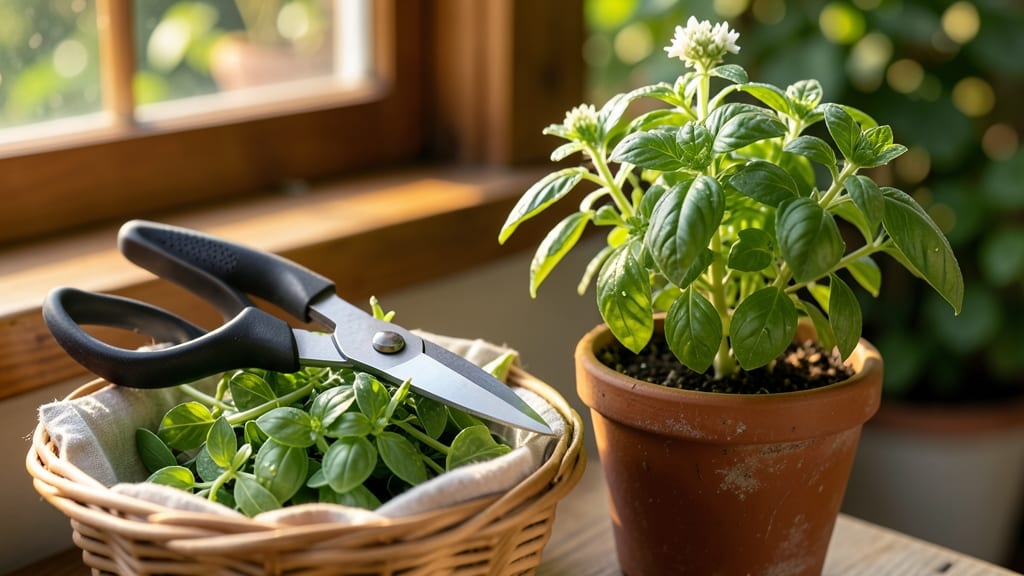
How to grow and harvest basil from seed to harvest feels like unlocking a secret kitchen garden. 🌱 I’ve grown it every year since my first tiny pot of Genovese basil—now I’m sharing the exact method that keeps mine thriving indoors and out, even in winter. The magic starts with 6-8 hours of sunlight daily and well-draining soil (regular potting mix works). Water when the top inch feels dry, but never let it sit soggy—root rot is the silent basil killer. Pruning is where the real abundance happens: pinch off the top set of leaves when the plant hits 6 inches, and you’ll trigger bushier growth. By summer, you’ll be harvesting 3-4 times a week without stunting the plant. The leaves stay tender, the flavor deepens, and you’ll never buy basil again. Even my black thumb can’t kill these with this method. Works for containers, garden beds, or sunny windowsills. Here’s how to set it up—no green thumb required.
📚 In This Guide
- What you need
- Instructions
- Tips and common mistakes
- Wrapping up and next steps
What you need
- ● Basil seeds or seedlings: Seeds: 1–2 tbsp (or 1 packet for a small garden)
- ● Seedlings: 3–6 plants (depending on desired yield)
- ● Containers: 6–12-inch pots (with drainage holes) or
- ● A raised garden bed (minimum 12" deep)
- ● Potting mix: 1–2 bags of well-draining, organic potting soil (avoid garden soil—it compacts too much!)
- ● Watering can or spray bottle: For gentle, consistent moisture
- ○ Fertilizer (optional but helpful): Balanced liquid fertilizer (e.g., 10-10-10) or
- ● Compost tea (homemade or store-bought)
- ● Sunlight: A sunny spot with 6+ hours of direct light daily (south-facing window or grow lights work indoors)
- ● Pruning shears or clean scissors: For harvesting and trimming
- ○ Glove (optional): To protect hands from prickly stems
- ○ Mulch (optional): Straw or shredded leaves to retain moisture
- ○ Support (optional for large plants): Small stakes or cages if basil grows tall
Step-by-Step instructions for growing and harvesting basil
Here’s how I grow basil year-round—no green thumb required. These steps keep your plants happy and productive with just a little attention.
🌱 Step 1: Choose the Right Spot and Plant Your Basil
Basil thrives in full sun (at least 6-8 hours daily) and well-draining soil. If you’re planting in the ground, pick a spot with afternoon shade in hot climates to prevent wilting. For containers, use a 5-6 inch pot per plant—they grow fast, so give them room.
Fill your pot or garden bed with light, fluffy potting mix (avoid heavy garden soil—it drains poorly). Plant seeds ¼ inch deep, spacing them 12-18 inches apart if sowing directly outside. If starting indoors, use biodegradable pots to avoid root disturbance later. Water gently after planting until the soil feels evenly moist but not soggy.
☀️ Step 2: Keep Basil Thriving With Light and Water
Basil is sun-hungry—pale, leggy plants mean it’s not getting enough light. Place indoors near a south-facing window or use a grow light (12-16 hours daily). If outdoors, rotate pots weekly so plants grow straight, not lopsided.
Water when the top inch of soil feels dry—usually every 2-3 days in warm weather. Overwatering causes yellow leaves, so let the soil dry slightly between waterings. Mulch with straw or shredded leaves to retain moisture and keep roots cool.
✂️ Step 3: Harvest Basil Correctly for More Growth
Pinch off the top set of leaves (just above a pair of leaves) when the plant reaches 6 inches tall. This encourages bushier growth. Harvest regularly—the more you pick, the more basil you’ll get! Use clean scissors or fingers to avoid damaging stems.
Stop harvesting 4-6 weeks before frost if growing outdoors annually. At this point, the plant focuses on flowering, not leaf production. If you love basil year-round, bring potted plants indoors before cold weather hits and keep them in bright light.
🌿 Step 4: Extend the Season With Simple Care
In late summer, basil often bolts (sends up flowers). If this happens, snip off flower buds immediately—they signal the plant to stop producing leaves. Prune back leggy stems to encourage new growth from the base.
Fertilize lightly every 4-6 weeks with balanced liquid fertilizer (diluted to half strength). Over-fertilizing leads to weak, flavorless leaves. Watch for pests like aphids—spray with soapy water if you spot them early.
Tips & tricks for perfect basil growth
Here's what nobody tells you about growing basil that actually works—no guesswork required.
Light is Everything: Those 6-8 hours of daily sun in Step 1 are non-negotiable. If your plants start stretching toward the light (a sign of legginess), move them closer to the window or supplement with a grow light for the full 12-16 hours. I've seen basil go from healthy to sad in just 2 days when light drops below 5 hours—don't let that happen to yours.
Soil Secrets: The light, fluffy potting mix in Step 1 isn't just about drainage—it's about aeration. Basil roots need oxygen to thrive. If you're using garden soil, mix in perlite or vermiculite (1:4 ratio) to replicate that airy texture. I've had basil plants double in size within weeks after switching to this mix.
Harvesting Hack: When you pinch those top leaves at 6 inches tall in Step 3, make sure to cut just above a pair of leaves where the stem meets the leaf. This encourages growth from that leaf node, not the top. I learned this the hard way after harvesting from the wrong spot and getting sparse regrowth.
Pest Prevention: That soapy water spray in Step 4 works wonders, but here's the pro move: mix 1 tablespoon of neem oil with 1 quart of water and spray it every 2 weeks. It deters pests AND adds a subtle protective layer to the leaves. I've had basil plants last twice as long using this method.
Pro Tips for Grow And Harvest Basil
- Here's what nobody tells you about growing basil that actually works—no guesswork required.
- Light is Everything: Those 6-8 hours of daily sun in Step 1 are non-negotiable. If your plants start stretching towar...
- Soil Secrets: The light, fluffy potting mix in Step 1 isn't just about drainage—it's about aeration. Basil roots need...
Frequently asked questions
Got questions about growing and harvesting basil? You’re not alone—this fragrant herb can be tricky for beginners! Here are answers to the most common concerns to help you grow a thriving basil plant with ease.
How often should I water my basil plant?
Basil loves moisture but hates soggy roots. Water when the top inch of soil feels dry—usually every 2–3 days in hot weather. Use room-temperature water and avoid wetting the leaves to prevent fungal diseases. Pro tip: A self-watering pot or mulch can help maintain consistent moisture!
When is the best time to harvest basil?
Harvest basil in the morning after the dew has dried for the strongest flavor. Pinch off leaves just above a pair of leaves to encourage bushier growth. Avoid harvesting more than 1/3 of the plant at once—this keeps it productive and prevents stress. First harvest? Wait until the plant has at least 6–8 inches of growth!
Can I grow basil indoors without sunlight?
Yes, but you’ll need a grow light (like an LED bulb) for 12–16 hours daily. Place your basil near a south-facing window if possible, but supplement with artificial light if indoors. Without enough light, basil grows leggy and loses flavor. Bonus: Rotate the pot weekly for even growth!
Why are my basil leaves turning yellow or curling?
Yellow leaves often mean overwatering or poor drainage. Check the roots—if they’re mushy, repot in fresh, well-draining soil. Curling leaves could signal pests (like aphids or spider mites) or underwatering. Spray with neem oil or insecticidal soap if pests are the culprit. Prevent it: Use pots with drainage holes!
Can I regrow basil from store-bought stems?
Place 4–6 inches of a store-bought basil stem in water, ensuring leaves are above the waterline. Change the water every 2–3 days. Once roots form (after ~1–2 weeks), transplant to soil. Pro tip: Trim the stem just below a leaf node for faster rooting!
Wrapping up and next steps
Growing and harvesting basil is a rewarding journey that brings fresh, aromatic greens to your table with minimal effort!
Whether you’re a seasoned gardener or a beginner, these simple steps will help you cultivate thriving plants year-round. Now that you’re armed with the knowledge, it’s time to roll up your sleeves and enjoy the process—your kitchen (and taste buds) will thank you!
Ready to take the next step? Start small—grow a few pots on your windowsill or balcony, then expand as your confidence (and basil patch!) grows. Happy planting! 🌱✨