
Size
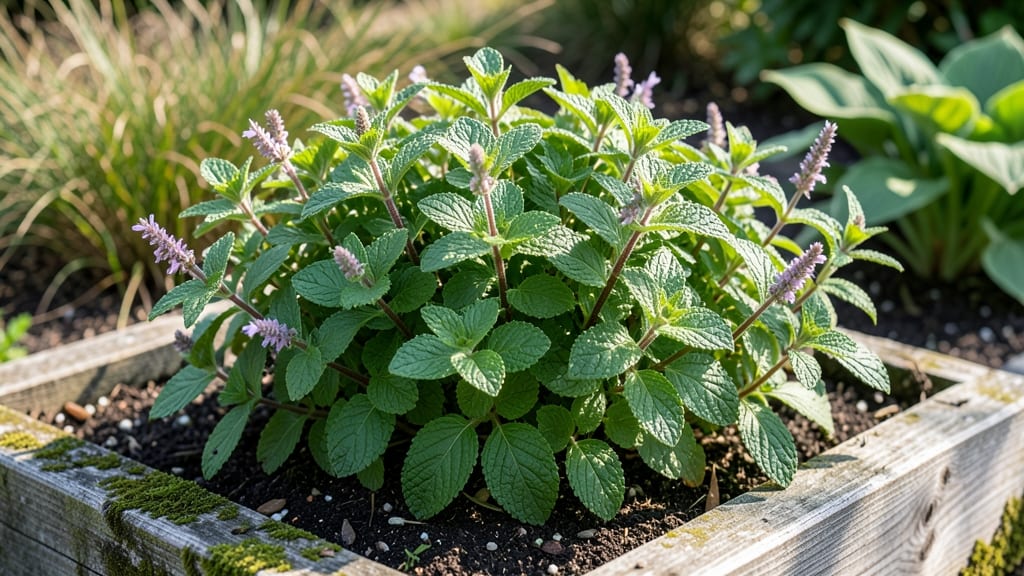
How to grow the chocolate mint plant without turning your yard into a mint jungle—that’s the trick. Its rich cocoa scent and aggressive spread make it a favorite for shade gardens, but only if you control it. I’ve battled its invasive roots for years, and now I’ll show you how to grow it without losing your garden to it.
Start with cuttings (not seeds) for faster results. Plant in partial shade with moist, well-draining soil—it thrives where other herbs fail. Containers are your best friend; chocolate mint doubles in size each year, so plan for 12+ inches of root space per plant.
Prune regularly to keep it lush and prevent it from overtaking your garden.
You’ll end up with fragrant ground cover that smells like a candy shop but stays contained. The key? Root barriers or heavy-duty pots. With the right setup, you’ll enjoy its sweet aroma without the headache of eradication. Let’s get those cuttings growing!
Bonus: Harvest leaves anytime for teas or cocktails—but wear gloves. That scent is too tempting to resist. 💚
📚 In This Guide
- What you need
- Instructions
- Tips and common mistakes
- Wrapping up and next steps
What you need
- ● Chocolate mint plant: Start with a healthy cutting (4–6 inches long) or a nursery-grown plant.
- ● Well-draining potting mix: 1–2 gallons (for containers) or garden soil amended with compost (for in-ground planting).
- ○ Container (optional but recommended): A 10–12 inch pot with drainage holes (if not planting directly in the ground).
- ● Watering can or spray bottle: For gentle hydration—chocolate mint hates soggy roots!
- ● Organic fertilizer (balanced 10-10-10 or slow-release): 1–2 tablespoons per plant (or follow package instructions).
- ● Pruning shears: Sharp, clean scissors or shears for trimming.
- ● Sunlight: Partial shade to full shade (2–4 hours of morning sun max).
- ● Water: Keep soil consistently moist but not waterlogged.
- ● Temperature: Thrives in USDA zones 3–9 (hardy to 0°F).
- ● Mulch (straw or shredded leaves) to retain moisture.
- ● Compost tea for a nutrient boost.
- ● Mulch fabric (if planting in-ground to prevent spreading).
Step-by-Step instructions for growing chocolate mint plant
Here's how to cultivate this fragrant, shade-loving spreader with minimal fuss.
🌱 Step 1: Choose the Perfect Location and Prepare the Soil
Chocolate mint thrives in partial to full shade—think dappled sunlight or deep shade gardens. I always pick a spot with 6+ hours of indirect light daily, as too much direct sun scorches the leaves. The soil should be moist but well-draining, so amend heavy clay with 2-3 inches of compost before planting.
Dig a hole twice as wide as the root ball but no deeper. Loosen the soil at the bottom to encourage root spread. Chocolate mint spreads aggressively, so plant it where it can roam—along borders, under trees, or in containers with deep sides. If using containers, ensure they're at least 12 inches deep to accommodate its vigorous roots.
💧 Step 2: Plant and Water for Immediate Establishment
Place the mint plant in the hole, ensuring the top of the root ball sits level with the soil surface—burying too deep suffocates the stem. Gently backfill with soil, pressing lightly to remove air pockets but avoiding compaction. Water deeply right after planting to settle the roots and eliminate gaps.
Keep the soil consistently moist for the first 2-3 weeks—you'll know it's right when the top inch feels damp but not soggy. Mulch with 2 inches of organic mulch (like shredded bark) to retain moisture and suppress weeds. Avoid letting the soil dry out completely, as chocolate mint wilted from thirst may not recover.
☀️ Step 3: Maintain Moisture and Prune for Bushier Growth
Once established, water 1-2 times per week, adjusting for your climate—more in hot, dry spells, less in cool, humid conditions. You'll see new growth within 3-4 weeks, signaling it’s thriving. Pinch back the tips of stems when they reach 4-6 inches to encourage bushier, fuller plants instead of long, leggy growth.
Harvest leaves regularly to promote density and prevent flowering, which dulls the flavor. Snip stems just above a set of leaves to redirect energy into new shoots. If planting in containers, divide the plant every 2-3 years to keep it vigorous—simply lift, separate the roots, and replant sections in fresh soil.
✂️ Step 4: Control Spread and Prevent Overgrowth
Chocolate mint spreads rapidly, so contain it if needed. For in-ground plants, install a barrier like landscape fabric buried 6 inches deep around the edges to limit its reach. In containers, choose pots with deep sides (12+ inches) and divide the plant annually to keep it manageable.
Watch for yellowing leaves, which often signal overwatering or poor drainage. Trim back any leggy or sparse growth to maintain a compact, fragrant bush. In late fall, cut back stems by half to tidy the plant and prepare it for winter. With minimal effort, your chocolate mint will reward you with months of rich, cocoa-scented foliage.
Tips & tricks for perfect chocolate mint plant growth
These simple strategies will help you cultivate a thriving chocolate mint plant that spreads beautifully in your shade garden.
Lighting Strategy: I've found that while chocolate mint loves shade, it actually benefits from a few hours of morning sun—just avoid harsh afternoon rays. If your garden has only deep shade, consider placing it near a north-facing window or under a tree with dappled light. The key is to mimic its natural woodland habitat where it gets filtered sunlight.
Soil Preparation: The 2-3 inches of compost mentioned in Step 1 is non-negotiable—it's what gives chocolate mint its rich, dark leaves. For heavy clay soil, I recommend mixing in perlite or coarse sand to improve drainage. You'll know you've got it right when the soil feels like a well-squeezed sponge—holds moisture but doesn't stay soggy.
Container Considerations: When using containers, remember that chocolate mint's roots grow aggressively downward. The 12-inch depth requirement is minimum—go for 14-16 inches if possible. I've seen mint plants in shallow pots become root-bound within a year, leading to stunted growth. Also, choose containers with drainage holes to prevent waterlogging, which can cause those dreaded yellow leaves.
Pruning Timing: The instructions mention pinching back stems at 4-6 inches, but here's what nobody tells you—do this in the morning. New growth stimulated by pruning needs time to recover before evening temperatures drop. I've noticed plants pruned in late afternoon often develop softer new growth that's more susceptible to cold damage overnight.
Pro Tips for Grow Chocolate Mint Plant
- These simple strategies will help you cultivate a thriving chocolate mint plant that spreads beautifully in your shade garden.
- Lighting Strategy: I've found that while chocolate mint loves shade, it actually benefits from a few hours of morning sun—just avoid harsh afternoon rays.
- Soil Preparation: The 2-3 inches of compost mentioned in Step 1 is non-negotiable—it's what gives chocolate mint its rich, dark leaves.
Frequently asked questions
Got questions about growing chocolate mint? Here are some of the most common ones—plus quick, practical answers to keep your fragrant spreaders thriving!
How fast does chocolate mint grow?
Chocolate mint is a fast grower! With ideal conditions (partial shade, moist soil, and regular watering), you can expect noticeable growth within 2–4 weeks. In the right environment, it can spread aggressively—so plan for containment or harvesting to keep it in check.
When is the best time to plant chocolate mint?
Plant chocolate mint in early spring (after the last frost) or early fall for the best results. Avoid planting in extreme heat or cold, as young plants are sensitive. If you’re starting from seeds, sow them indoors 6–8 weeks before the last frost for a head start.
Why isn’t my chocolate mint growing?
Slow growth often stems from too much sun (it prefers shade), dry soil, or poor drainage. Check for yellowing leaves (overwatering) or crispy edges (underwatering). If pests like aphids or spider mites are present, treat with neem oil or insecticidal soap.
Can I grow chocolate mint in containers?
Containers are a great way to control its spread. Use a pot at least 12 inches wide and deep with drainage holes. Choose a well-draining potting mix and water regularly. Just be prepared to prune or divide the plant every 1–2 years to keep it healthy.
Is chocolate mint the same as peppermint or spearmint?
Nope! While they’re all Mentha varieties, chocolate mint has a unique cocoa-like aroma and a sweeter, less intense flavor. Peppermint is sharper, and spearmint is milder. Cross-pollination can happen, so grow them separately if you want pure varieties.
Wrapping up and next steps
Growing a chocolate mint plant is a rewarding way to add fragrant charm to your shade garden—whether you’re a seasoned gardener or just starting out! 🌿 With the right soil, light, and care, this hardy herb will spread beautifully, filling your space with a rich, sweet scent. Now that you’ve got the know-how, why not share the joy?
Try propagating cuttings with friends, swap plants at a local gardening group, or even gift a small pot to a fellow plant lover. Your chocolate mint adventure is just beginning—happy growing! 🌱