
Size
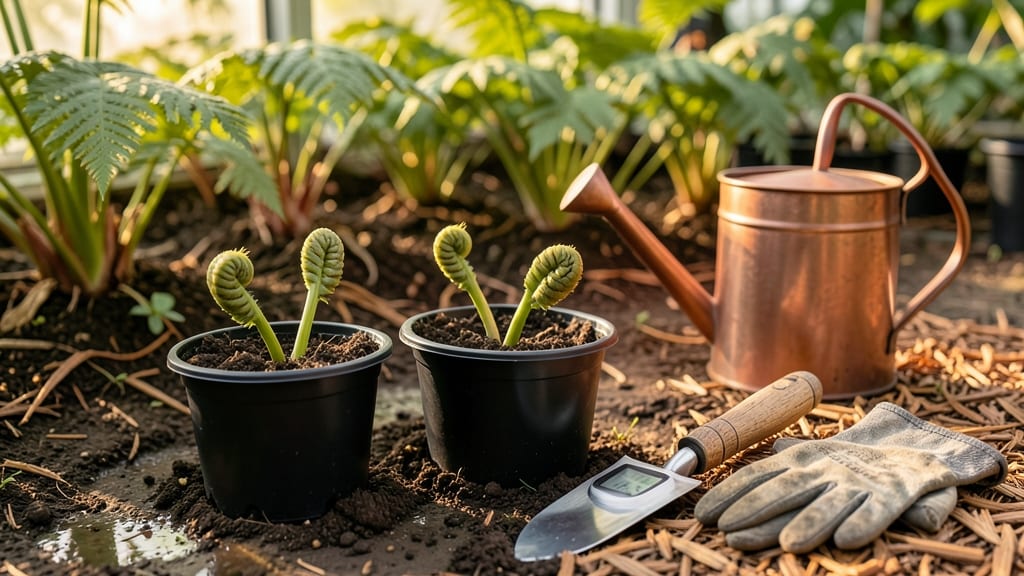
How to grow fiddleheads means harvesting tender, edible fern shoots that taste like asparagus. 🌿 I learned the hard way—planting the wrong fern species wasted two seasons before I finally got it right. The key is choosing the right plant (ostrich fern, Matteuccia struthiopteris) and giving it the perfect growing conditions.
You’ll need a shady, moist spot with rich soil—think woodland floor, not full sun. Plant rhizomes in early spring, about 2 inches deep and 12 inches apart.
Keep the soil consistently damp (not soggy) and mulch heavily to mimic their natural habitat. Patience is key: fiddleheads take about 6 weeks to emerge after planting.
The payoff comes when you spot the first bright green curls unfurling in spring. Harvest shoots when they’re 6–12 inches tall, cutting them just above the ground.
One mature plant yields 10–20 fiddleheads per season, and they freeze beautifully for winter meals. Just be sure to leave some to regrow for next year’s harvest.
This method works best in temperate climates (zones 3–8), but even apartment balconies can grow them in large containers. The trick is keeping the soil cool and moist—no desert-like conditions allowed. Here’s how to avoid the most common mistakes and get your first perfect batch.
📚 In This Guide
- What you need
- Instructions
- Tips and common mistakes
- Wrapping up and next steps
What you need
- ● Fiddlehead plants: 1-2 Matteuccia struthiopteris (ostrich fern) crowns (ensure they’re dormant in spring or have healthy fronds in fall for division).
- ● Growing containers: 1 large pot (12"+ diameter) or
- ● A raised bed or in-ground garden plot (6" deep, well-draining soil).
- ● Potting soil: 5-10 gallons of high-quality, organic potting mix (add perlite or sand for drainage).
- ● Watering can or hose: With a gentle spray nozzle (fiddleheads love moisture!).
- ● Fertilizer: Balanced organic fertilizer (10-10-10 or compost tea) or worm castings.
- ● Pruners or sharp knife: For dividing fern crowns (sterilize with rubbing alcohol).
- ○ Mulch (optional but helpful): 2-3 inches of shredded bark or straw to retain moisture.
- ● Soil pH test kit (fiddleheads prefer slightly acidic to neutral soil, pH 6.0-7.0).
- ● Shade cloth (30-50% coverage) if growing in hot climates.
- ● Garden twine or stakes (to support tall fronds if needed).
- ● Harvest knife (clean, sharp knife for cutting fiddleheads).
Step-by-step instructions for growing fiddleheads at home
Harvesting fiddleheads from your own garden is easier than you think—just follow these steps!
🌱 Step 1: Choose the Right Fern and Prepare the Soil
Start with Ostrich fern (Matteuccia struthiopteris) or Japanese painted fern (Athyrium niponicum), the best fiddlehead producers. Plant in well-draining, slightly acidic soil (pH 5.0-6.5) enriched with 3-4 inches of organic compost. Fiddleheads thrive in moist, fertile soil that mimics their woodland origins.
Dig a hole twice as wide as the root ball and place the fern crown 1-2 inches below soil level. Space plants 18-24 inches apart—crowding reduces air circulation and invites fungal diseases. Water deeply right after planting to settle the soil around the roots. You’ll know it’s right when the soil feels like a damp sponge.
☀️ Step 2: Position for Optimal Light and Moisture
Fiddleheads need partial shade—think morning sun with afternoon shade. A spot under dappled sunlight (like under tall trees) is ideal. Too much direct sun scorches the delicate fronds, while too little light produces weak, sparse shoots. If you only have full sun, provide afternoon shade with a sheer curtain.
Keep the soil consistently moist but never soggy. Mulch with 2-3 inches of shredded bark to retain moisture and suppress weeds. Water 2-3 times weekly during dry spells, aiming for 1 inch of water per week. You’ll see healthy growth when the fronds unfurl bright green and upright—never yellow or wilted.
⏰ Step 3: Time Your Harvest for Peak Flavor
Fiddleheads are ready to harvest 2-3 weeks after new shoots emerge in spring. Look for tight, coiled fronds that are 3-6 inches tall—they should still be firm to the touch with no signs of unfurling. Use clean scissors to cut the shoots 1-2 inches above the ground, leaving the crown intact for future growth.
Harvest on a cool morning after dew has dried but before the sun peaks. This preserves texture and flavor. Avoid harvesting more than one-third of the plant at a time—over-picking weakens the fern and reduces next year’s yield. Store in a paper towel-lined container in the fridge for up to 5 days or blanch and freeze for longer storage.
🌿 Step 4: Maintain and Encourage Future Growth
After harvest, fertilize lightly with a balanced 10-10-10 formula in early spring and again after the first frost. Fiddleheads are heavy feeders but sensitive to over-fertilization, which burns roots. Water deeply once a week during dry spells, focusing on the base of the plant to encourage deep root growth.
In fall, cut back dead fronds but leave the crown intact. This protects the plant over winter and promotes stronger regrowth in spring. If your climate drops below 10°F, mulch heavily with 4-6 inches of straw to insulate the roots. With proper care, a single fern can produce fiddleheads for decades—just like the wild ones!
Tips & tricks for perfect fiddlehead harvests
Growing fiddleheads at home is like unlocking a secret garden treasure—here’s how to make every step count!
Fern Selection Matters: When choosing between Ostrich fern and Japanese painted fern, go for Ostrich fern if you want the classic fiddlehead shape and flavor. Both produce edible shoots, but Ostrich fern's shoots are slightly larger and more uniform. Look for healthy, established plants with vibrant green fronds when purchasing from nurseries—this ensures a stronger start for your garden.
Soil Science is Key: The pH 5.0-6.5 range for your soil isn't just a suggestion—it's critical! Test your soil before planting. If it's too alkaline, mix in peat moss or sulfur to lower the pH. That 3-4 inches of organic compost isn't just filler—it's the difference between sparse shoots and a bountiful harvest. Think of it as giving your ferns a nutrient-rich blanket to grow through.
Light Strategy for Success: That partial shade requirement is non-negotiable. If you're in a sunny climate, create shade with a sheer fabric or plant taller trees nearby. The morning sun gives them just enough energy, while afternoon shade prevents scorching. Watch your fiddleheads—they'll tell you when they're happy with bright green, upright fronds that grow vigorously.
Harvest Timing is Everything: Those 2-3 weeks after emergence are your window! Check daily once shoots appear—fiddleheads go from perfect to overripe in a matter of days. The firmness test is your best friend: if they bend like a bow but don't unfold, they're ready. And that 1-2 inch cut above ground? It's crucial for future growth—think of it as giving your plant a clean haircut to encourage new shoots.
Pro Tips for Grow Fiddleheads
- Growing fiddleheads at home is like unlocking a secret garden treasure—here’s how to make every step count!
- Fern Selection Matters: When choosing between Ostrich fern and Japanese painted fern, go for Ostrich fern if you want the classic fiddlehead shape and flavor.
- Soil Science is Key: The pH 5.0-6.5 range for your soil isn't just a suggestion—it's critical!
Frequently asked questions
Got questions about growing fiddleheads?
Here are some of the most common ones—and their answers—to help you grow like a pro!
How long does it take to grow fiddleheads from seed?
Fiddleheads take about 6–8 weeks from planting to harvest, depending on your climate. Start seeds indoors 8–10 weeks before the last frost for a head start. Patience is key—rushing can lead to bitter or underdeveloped shoots!
Can I harvest fiddleheads multiple times in one season?
Yes! If you care for your Ostrich fern well, it can produce 2–3 harvests per season. After cutting, trim the fronds back to 6 inches and fertilize lightly. Just avoid over-harvesting—let the plant recover between batches for the best results.
What’s the best way to store freshly picked fiddleheads?
Store them in a perforated plastic bag in the fridge for up to 5 days. For longer storage, blanch them (boil 2–3 minutes, then ice bath) and freeze in airtight containers. Pro tip: Use within a week for peak flavor and texture!
Why are my fiddleheads turning brown or slimy?
Brown or slimy fiddleheads usually mean overmaturity, disease, or poor storage. Harvest when tightly coiled (3–6 inches tall) and avoid washing until ready to cook. If mold appears, discard them—never eat spoiled fiddleheads. Keep soil moist but not soggy to prevent fungal issues.
Can I grow fiddleheads in containers or just in the ground?
Use a large pot (at least 12 inches deep) with well-draining soil and place it in partial shade. Containers work well for small spaces, but ensure the pot stays consistently moist. Just avoid full sun—fiddleheads prefer dappled light!
Wrapping up and next steps
Growing fiddleheads is a rewarding journey that connects you to nature’s bounty—just imagine harvesting your own fresh, nutrient-packed shoots in as little as 6 weeks! 🌱 With the right soil, patience, and a little care, you can transform a small patch of your garden into a thriving fern patch.
Whether you’re a seasoned gardener or a curious beginner, this process is simpler than you think.
Ready to take the next step? Start small—plant a few fiddleheads this spring and watch your confidence (and harvest!) grow. Once you’ve mastered the basics, experiment with different fern varieties or even share your newfound knowledge with fellow gardeners. Happy growing!