
Landscaping
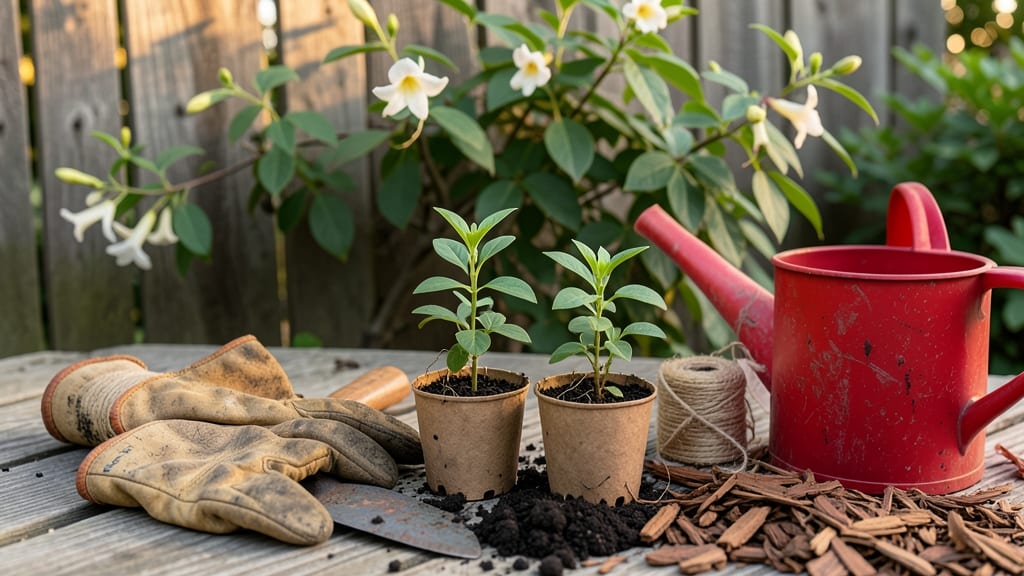
How to grow honeysuckle on a fence transforms your yard into a fragrant summer masterpiece. 🌿 Honeysuckle isn't just a vine—it's a living privacy screen that smells like sunshine and attracts hummingbirds, all while requiring less maintenance than most ornamental plants.
The secret starts with moist, well-draining soil and a sturdy fence (wood or metal works best). Plant in early spring when soil warms to 60°F, spacing vines 3-4 feet apart for proper airflow.
Use trellis wire or soft ties to guide the first growth—these vines climb by twining, not clinging, so gentle direction matters early on.
By midsummer, you'll have a 6-foot-tall fragrant curtain that blooms from June through September. Prune lightly in late winter to encourage bushier growth, and watch as the glossy leaves and tubular flowers transform your backyard into a hummingbird haven.
Works in zones 4-9, thrives in full sun to partial shade, and handles drought better than most flowering vines once established. Here's how to keep it looking its best all season long.
📚 In This Guide
- What you need
- Instructions
- Tips and common mistakes
- Wrapping up and next steps
What you need
- ● Honeysuckle plants: Choose native varieties like Lonicera sempervirens (trumpet honeysuckle) or Lonicera periclymenum (European honeysuckle). Buy 3–5 healthy 1–2 gallon plants (one per 6–8 feet of fence for optimal coverage).
- ● Well-draining potting soil: 5–10 gallons (mix in compost or aged manure for nutrients).
- ● Garden gloves: A pair to protect your hands from thorns (some varieties have them!).
- ● Pruning shears: Bypass pruners (sharp and clean) for trimming.
- ○ Trellis or twine: Optional but helpful—use jute twine or soft garden twine to gently guide vines upward if your fence lacks texture.
- ● Watering can or hose: With a gentle spray nozzle to avoid damaging new growth.
- ● Mulch: 2–3 inches of organic mulch (e.g., shredded bark or straw) to retain moisture and suppress weeds.
- ○ Fertilizer (optional but recommended): Balanced, slow-release fertilizer (e.g., 10-10-10) or compost tea for a natural boost.
- ● Apply at planting and again in early spring.
- ● Epsom salt: 1 tablespoon dissolved in water monthly for magnesium (helps with vibrant blooms!).
- ● Pest control: Neem oil or insecticidal soap (if aphids or spider mites appear).
- ● Support stakes: Temporary bamboo stakes to secure young vines if your fence is smooth.
- ● Decorative accents: Ornamental hooks or lattice for a whimsical, guided-growth look.
Step-by-step instructions for growing honeysuckle on a fence
Here's how to transform your fence into a fragrant, blooming vine haven—no green thumb required.
🌱 Step 1: Choose the Right Honeysuckle Variety for Your Climate
Not all honeysuckle thrives on fences, so pick a vigorous climber suited to your hardiness zone. For most regions, Japanese honeysuckle (Lonicera japonica) or Trumpet honeysuckle (Lonicera sempervirens) are excellent choices—they cling naturally to trellises and fences without needing ties. Avoid the invasive Bush honeysuckle (Lonicera maackii), which spreads aggressively and can smother native plants.
Buy bare-root plants in early spring or container-grown vines any time the ground isn't frozen. Look for healthy stems with multiple buds—these are your future blooms. I always check for pale green or yellowing leaves, which signal stress or disease. Healthy plants have firm, flexible stems that snap cleanly when bent, not break dryly.
🪴 Step 2: Prepare the Fence and Planting Site
Honeysuckle needs 6+ hours of direct sun daily to produce its signature tubular flowers, but it tolerates partial shade if you accept fewer blooms. Before planting, scrub the fence with a wire brush to remove loose paint or debris—vine tendrils grip better to clean surfaces. If your fence is smooth (like vinyl or metal), attach jute twine or coarse burlap strips vertically every 12-18 inches to give the vines purchase.
Dig a hole twice as wide as the root ball but only as deep as the container. Amend the native soil with compost (mix in 2-3 inches of finished compost with the top 6 inches of soil) to improve drainage and fertility. Honeysuckle roots spread aggressively, so avoid planting near sidewalks or driveways where roots might crack pavement.
🌿 Step 3: Plant and Train the Vine for Maximum Coverage
Place the honeysuckle at the base of the fence, 12-18 inches from the structure—this gives roots room to establish before sending out runners. Loosen the roots gently if they're circling in the container, then spread them outward in the hole. Backfill with soil, pressing lightly to eliminate air pockets, and water deeply until the soil is moist 6 inches down.
Here's the thing—honeysuckle climbs by twining its stems, not clinging with aerial roots like ivy. To encourage fast coverage, weave the main stems through the twine or burlap strips you installed earlier. Secure them loosely with soft plant ties (never wire or tight knots—they'll strangle the vine as it grows). Within 4-6 weeks, you'll see new growth spiraling upward naturally.
☀️ Step 4: Water, Feed, and Prune for Continuous Blooms
Water deeply once a week (or more often in extreme heat) until the vine establishes, which takes about 6-8 weeks. You'll know it's settled when you see new leaves appearing higher on the stems—that's your cue to cut back on watering to every 10-14 days. Overwatering in summer causes root rot, and honeysuckle is surprisingly drought-tolerant once established.
Feed with a balanced, slow-release fertilizer (10-10-10) in early spring and again after the first flush of blooms. I swear by a light mulch of shredded bark around the base (keep it 2-3 inches deep) to retain moisture and suppress weeds. Prune dead or crossing branches in late winter to encourage bushier growth. Never cut back more than one-third of the vine in a season—you'll sacrifice next year's blooms.
✂️ Step 5: Maintain and Enjoy Your Living Fence
Honeysuckle blooms on new wood, so prune immediately after flowering to encourage a second flush of blooms in late summer. Watch for aphids or spider mites on the undersides of leaves—spray with neem oil if you see sticky residue or fine webs. The vine will self-clean most pests, but a heavy infestation can weaken the plant.
By year two, your fence should be fully covered with fragrant, tubular flowers that attract hummingbirds and butterflies. The best part? Honeysuckle's sweet, intoxicating scent lingers in the evening, making your outdoor space irresistible. Just remember: harvest stems for tea or arrangements sparingly—you want to preserve the vine's energy for next year's display.
Tips & tricks for perfect honeysuckle fence growth
Transforming your fence into a fragrant honeysuckle haven takes more than just planting—here are the game-changing details that'll make all the difference.
Variety Selection: Japanese honeysuckle (Lonicera japonica) is my top recommendation for fences because it naturally twines and doesn't require ties like some varieties. Look for plants with at least 3-4 strong stems—these will give you faster coverage. I've learned the hard way that weak stems from small container plants struggle to reach the top of tall fences. For southern climates, Trumpet honeysuckle (Lonicera sempervirens) is a stunning alternative with red blooms that hummingbirds adore.
Fence Preparation: The key to fast climbing is giving the vine purchase points. If your fence is smooth, attach jute twine or burlap strips every 12-18 inches—this mimics the natural texture vines need to grip. Pro tip: Use natural fibers only—plastic twine can degrade in sunlight and won't provide the same texture. For wooden fences, I recommend scrubbing with a wire brush to remove any loose paint or debris before planting, as these can prevent proper attachment.
Planting Depth: The hole should be twice as wide as the root ball but only as deep as the container—this prevents root suffocation. I always loosen any circling roots before planting, which helps them spread outward naturally. For container-grown plants, gently squeeze the sides to encourage root expansion before placing in the hole. The 12-18 inch distance from the fence gives roots room to establish before sending out runners, which is crucial for the first 4-6 weeks of growth.
Training Technique: Here's what nobody tells you—honeysuckle climbs by twining, not clinging. Weave the main stems through your twine strips within the first 2 weeks of planting. Use soft plant ties (never wire or tight knots) to secure them loosely—tight ties will strangle the vine as it grows. The goal is to guide growth upward while allowing natural twining. Within 4-6 weeks, you'll see new growth spiraling upward naturally, and that's when you know you've done it right.
Pro Tips for Grow Honeysuckle On A Fence
- Transforming your fence into a fragrant honeysuckle haven takes more than just planting—here are the game-changing details that'll make all the difference.
- Variety Selection: Japanese honeysuckle (Lonicera japonica) is my top recommendation for fences because it naturally twines and doesn't require ties like some varieties.
- Fence Preparation: The key to fast climbing is giving the vine purchase points.
Frequently asked questions
Got questions about growing honeysuckle on your fence? You’re not alone! Here are answers to the most common concerns—from timing to troubleshooting—so you can enjoy fragrant blooms all season long.
When is the best time to plant honeysuckle on a fence?
Plant honeysuckle in early spring (after the last frost) or fall (4-6 weeks before the first frost). This gives roots time to establish before extreme temperatures. Avoid planting in summer heat, which can stress young vines.
How long does it take for honeysuckle to climb a fence?
Honeysuckle grows 6–12 inches per year, so a 6-foot fence may take 3–5 years to fully cover. Prune regularly to encourage upward growth and fill gaps. Patience pays off—once established, it’ll climb vigorously!
Will honeysuckle attract bees or pests?
Yes! Honeysuckle’s fragrant blooms attract pollinators like bees and butterflies, which is great for your garden. However, it’s not a major pest magnet like some plants. If aphids appear, spray with water or use insecticidal soap.
Can I grow honeysuckle on a wooden fence without damaging it?
Honeysuckle’s twining vines are gentle and won’t crack wood like aggressive climbers (e.g., ivy). Secure vines with soft ties or twine at planting, then let them climb naturally. Avoid metal spikes that can harm the fence or vines.
What if my honeysuckle isn’t blooming?
Lack of flowers often means too much shade, over-fertilizing, or poor pruning. Ensure it gets 6+ hours of sun, prune in late winter to encourage new growth, and avoid heavy nitrogen fertilizer (which promotes leaves over blooms).
Wrapping up and next steps
Growing honeysuckle on a fence is a rewarding way to add fragrant beauty and wildlife-friendly charm to your yard! With the right location, soil prep, and care, these twining vines will thrive, filling your space with sweet blooms and buzzing pollinators all summer long. 🌸
Now that you’re armed with the know-how, roll up your sleeves and get planting—your fence (and future hummingbirds!) will thank you. Ready for more? Explore companion plants to create an even more vibrant garden oasis!