
How To
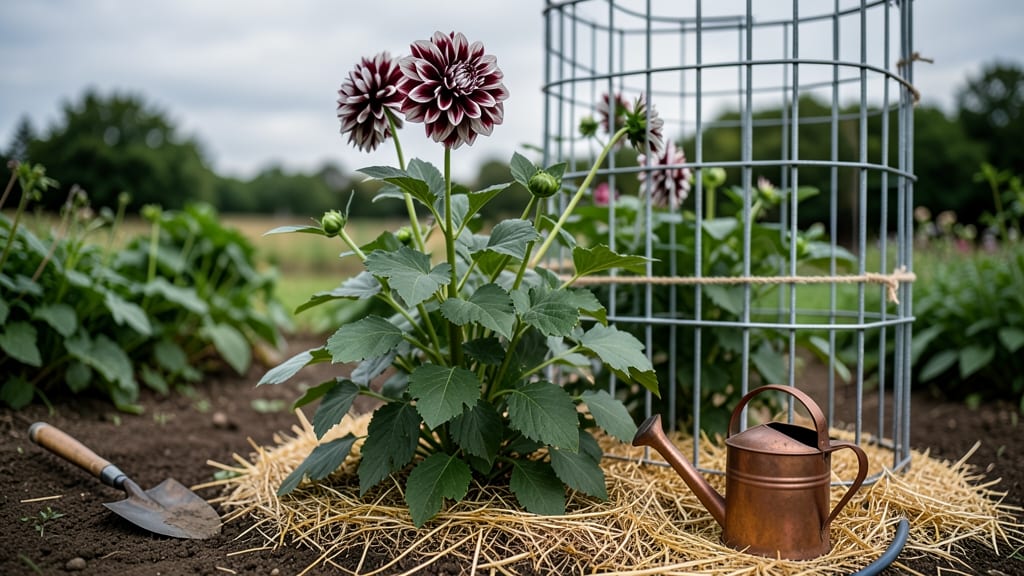
How to grow tall dahlias that reach 6 feet or taller feels like magic—until you know the secret. 🌿 I’ve grown these giants for five seasons, and the difference between floppy stems and sturdy towers comes down to three critical moves: soil prep, strategic staking, and relentless maintenance. Skip any, and you’ll end up with a leafy mess instead of a bloom-filled spire.
Start with amended soil—dahlias hate soggy roots but love deep, crumbly beds mixed with compost. Plant tubers 6 inches deep in spring after frost, spacing them 18-24 inches apart to give stems room to grow.
The real game-changer? Staking early—before stems hit 12 inches—with 3-foot bamboo stakes or a tomato cage, tied loosely to avoid crushing stems. Water at the base deeply 2-3 times a week, never overhead, to prevent fungal issues that stunt growth.
📚 In This Guide
- What you need
- Instructions
- Tips and common mistakes
- Wrapping up and next steps
What you need
- ● Dahlia tubers: Choose tall varieties like ‘Café au Lait,’ ‘Thomas Edison,’ or ‘Happy Single’ (6-8 tubers per plant for maximum height).
- ● Well-draining potting mix: 5-10 gallons per plant (or blend 1/3 compost, 1/3 perlite, and 1/3 garden soil).
- ● Sturdy containers or garden bed: For containers: 12-18” wide pots with drainage holes (1 per tuber).
- ● For garden beds: Full sun (6+ hours/day) and loose, fertile soil.
- ● Fertilizer: Balanced 10-10-10 or organic options like worm castings (mix 1 cup per 5 gallons of soil).
- ● Mulch: Straw or wood chips (2-3” layer to retain moisture and suppress weeds).
- ● Garden trowels or transplanter: For handling tubers gently.
- ● Stakes or cages: 5-6’ tall bamboo stakes or tomato cages (1 per plant for support).
- ● Pruning shears: Sharp, sterilized shears for trimming dead foliage.
- ● Watering can or hose with nozzle: For deep, even watering (avoid overhead spraying).
- ● Garden twine or plant ties: Soft ties to secure dahlias to stakes.
- ○ Gloves: Optional but helpful for handling thorny varieties.
- ● Timing: Start tubers indoors 8-10 weeks before last frost or plant outdoors after soil warms to 60°F.
- ● Climate: Dahlias thrive in USDA zones 3-10; protect from frost (they’re tender perennials).
- ● Patience: Tall dahlias can take 60-90 days to bloom—consistency is key!
Step-by-step instructions for cultivating towering dahlias
Here’s how I’ve mastered growing dahlias that reach six feet or taller—with sturdy stems and abundant blooms.
🌱 Step 1: Select and Prepare Tubers for Planting
Choose healthy, firm tubers with multiple eyes (buds) for vigorous growth. I avoid tubers with soft spots or mold, as these signal rot. Soak the tubers in lukewarm water for 12-24 hours before planting to rehydrate them—this jumpstarts root development and prevents transplant shock later.
After soaking, inspect each tuber for eyes. Use a sterilized knife to cut tubers with multiple eyes, ensuring each piece has at least one eye and one growth node. Let the cut pieces dry for 24 hours to form a callus, which prevents rot. This step is critical—dahlias grow best when planted as individual tubers with eyes facing upward.
☀️ Step 2: Plant in Well-Draining Soil with Full Sun
Dahlias thrive in full sun (6-8 hours daily) and soil that drains quickly to prevent root rot. Amend your garden bed with compost or aged manure to enrich the soil, and mix in a handful of perlite or coarse sand for aeration. I plant tubers 4-6 inches deep, spacing them 18-24 inches apart to allow room for their towering growth.
Place the tuber with the eyes facing upward, then cover it with soil. Water gently but thoroughly after planting to settle the soil and encourage root contact. Avoid overwatering—dahlias hate soggy soil. Mulch around the base with 2-3 inches of organic mulch to retain moisture and suppress weeds, but keep it 3 inches away from the stem to prevent rot.
💧 Step 3: Stake and Support Stems Early
Once shoots emerge and reach 6-8 inches tall, install sturdy stakes or a cage around each plant. I use 5-6 foot bamboo stakes or a wire cage to support the weight of tall dahlias. Secure the stake firmly in the ground and tie the main stem loosely with soft plant ties or strips of fabric—tightening too soon restricts growth.
Dahlias grow fast, so check ties weekly and loosen them as the stem thickens. If you wait until the plant is fully grown to stake it, the stems may snap under the weight of blooms. Here’s the thing—supporting stems early prevents broken plants and ensures those towering blooms stay upright.
✂️ Step 4: Prune for Bushier Growth and Larger Blooms
When your dahlia reaches 12-18 inches tall, pinch back the top set of leaves to encourage branching. This step is key—it redirects energy from vertical growth to producing more stems and blooms. After pinching, watch for new side shoots to emerge from the leaf axils. These lateral branches will bear the bulk of your flowers.
Remove any weak or leggy stems that aren’t producing buds. I also deadhead spent blooms regularly to encourage more flowers—simply snip the stem just above a set of healthy leaves or a lateral bud. This practice keeps the plant focused on producing new blooms rather than seeding.
🌿 Step 5: Feed and Maintain Through the Season
Feed dahlias with a balanced fertilizer (10-10-10) every 4-6 weeks during the growing season to support their rapid growth. I also add a low-nitrogen, high-phosphorus fertilizer when buds form to promote blooming. Water deeply 1-2 times weekly, ensuring the soil stays moist but not waterlogged—dahlias need consistent moisture, especially during hot spells.
Monitor for pests like slugs, aphids, or earwigs, which love dahlia foliage. I use a mix of neem oil and row covers to protect young plants. As fall approaches, reduce watering and stop fertilizing 6-8 weeks before the first frost to harden off the tubers for storage.
Tips & tricks for perfecting towering dahlias
These game-changing techniques will help you grow dahlias that rival the pros—without the guesswork.
Soaking Strategy: That 12-24 hour soak in lukewarm water isn't just about hydration—it's a growth accelerator. I've seen tubers that skipped this step take weeks longer to establish roots. Use a clean bucket with just enough water to cover the tubers, and change the water halfway through if it gets murky. Pro tip: Add a pinch of compost tea to the soaking water for an extra nutrient boost that gives your dahlias a head start.
Cutting Technique: When dividing tubers with multiple eyes, make clean cuts with a sterilized knife—no jagged edges. Each piece needs at least one eye and one growth node to thrive. Here's what I learned the hard way: If you're unsure where the eyes are, gently squeeze the tuber—you'll feel the small bumps where the buds are hiding. Let those cut pieces dry completely for the full 24 hours before planting, even if it seems like overkill. That callus layer is your first line of defense against rot.
Sunlight Secret: Those 6-8 hours of daily sun aren't negotiable for towering dahlias. If your garden gets less than 6 hours, consider growing them in containers that you can move to follow the sun's path. I've seen dahlias in partial shade grow 3 feet tall instead of 6—it's heartbreaking after all that effort. For maximum height, position your plants where they'll get morning sun and afternoon shade in hot climates to prevent stress.
Staking Timing: Don't wait until your dahlias are already leaning—install those 5-6 foot stakes when they reach just 6-8 inches tall. I've had to rescue plants that were already toppling by waiting too long. Use soft plant ties that you can easily loosen as the stems thicken. A good rule of thumb: Your tie should fit snugly now but still allow you to slip two fingers under it. This prevents the stem from growing girdled and weak.
Pro Tips for Grow Tall Dahlias
- These game-changing techniques will help you grow dahlias that rival the pros—without the guesswork.
- Soaking Strategy: That 12-24 hour soak in lukewarm water isn't just about hydration—it's a growth accelerator.
- Cutting Technique: When dividing tubers with multiple eyes, make clean cuts with a sterilized knife—no jagged edges.
Frequently asked questions
Got questions about growing tall dahlias? You’re not alone! Here are answers to the most common queries—from timing to troubleshooting—to help you cultivate those stunning, sky-high blooms with confidence.
When is the best time to plant dahlia tubers?
Plant dahlia tubers after the last frost when soil temperatures reach at least 60°F (15°C). In most regions, this means late spring (April–June). If planted too early, cold soil can rot the tubers. For a head start, start tubers indoors 8–10 weeks before the last frost—just place them in pots with moist potting mix and keep them in a warm, bright spot.
How long does it take for dahlias to grow tall?
Dahlias grow fast once established! From planting tubers, you’ll see 6–12 inches (15–30 cm) of growth in the first 4–6 weeks. With proper care (staking, watering, and fertilizing), many varieties can reach 4–6 feet (1.2–1.8 m) in just 8–10 weeks. Giant varieties may take a bit longer but reward you with dramatic height by mid-summer.
Why aren’t my dahlias growing tall? Troubleshooting tips.
If your dahlias are stunted, check these common issues:
- Underwatering: Dahlias need 1–2 inches (2.5–5 cm) of water per week. Wilting leaves or drooping stems? Water deeply at the base—avoid wetting foliage to prevent disease.
- Poor soil: Amend soil with compost or aged manure for nutrients. Dahlias thrive in loose, well-draining soil rich in organic matter.
- Lack of sunlight: These sun-lovers need 6+ hours of direct sunlight daily. Move them to a sunnier spot if growth slows.
- Overcrowding: Space tubers 12–24 inches (30–60 cm) apart to avoid competition for nutrients.
Still struggling? Test your soil’s pH—dahlias prefer 6.0–7.0. If it’s off, adjust with lime (to raise pH) or sulfur (to lower it).
Can I grow dahlias from seed instead of tubers?
Yes, but expect smaller, shorter blooms—seeds produce dwarf varieties (typically 2–3 feet tall). If you’re set on towering dahlias, tubers are the way to go. They’re faster, more reliable, and yield the showstopping heights you’re after. Save seeds for experimenting with heirloom or unique colors!
How do I protect dahlias from pests and diseases?
Dahlias are pest magnets (especially aphids, slugs, and earwigs) and prone to powdery mildew or bacterial soft rot. Prevent issues with these tips:
- Prevention: Space plants for airflow, water at the base, and remove debris to deter pests.
- Natural remedies: Spray neem oil for aphids or set out beer traps for slugs. For mildew, apply baking soda spray (1 tsp baking soda + 1 quart water + a drop of soap).
- Early action: Isolate affected plants and prune damaged leaves below the infection to stop spread.
Rotate crops yearly to prevent soil-borne diseases from recurring.
Wrapping up and next steps
Growing tall dahlias is all about patience, proper care, and a little know-how! With the right soil, sunlight, staking, and watering routine, you’ll soon be rewarded with stunning, towering blooms that steal the show in your garden.
Remember, consistency is key—whether you’re pinching back early shoots, protecting against pests, or deadheading for longer seasons.
Now that you’re armed with these proven techniques, it’s time to roll up your sleeves and get planting! Start small, experiment with varieties, and don’t forget to share your progress (or blooms!) with fellow gardeners. Happy growing—your dahlias are about to reach new heights! 🌱✨