
How To
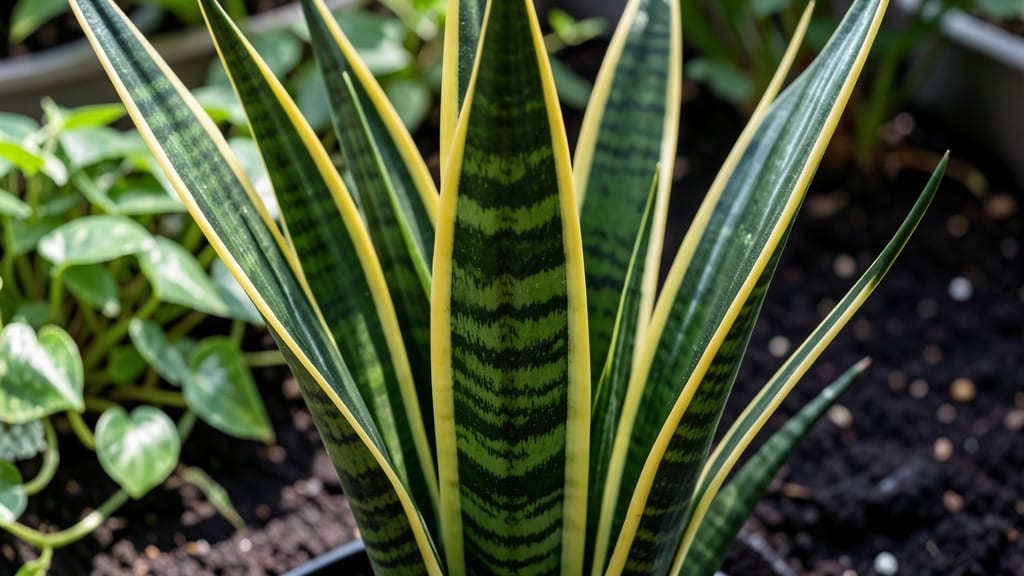
How to grow a tall snake plant turns any room into a vertical jungle with almost no effort. 🌿 I’ve grown mine for years, and they’ve never once complained—just kept growing taller and more dramatic, even when I forget to water them. The secret is simple: bright light, rare watering, and letting those stiff leaves reach for the sky. Unlike fussy houseplants, snake plants thrive on neglect, making them perfect for busy people or forgetful gardeners. Just give them a sunny spot and water every 4-6 weeks, and watch them grow into striking architectural plants. Outdoors, they’ll stretch toward the sun, developing even more dramatic striped patterns. Indoors, they’ll grow tall and sturdy, purifying the air while adding a modern, sculptural touch to any space. The key is patience—these plants grow slowly but steadily, becoming more impressive with each passing year.
📚 In This Guide
- What you need
- Instructions
- Tips and common mistakes
- Wrapping up and next steps
What you need
- ● Snake Plant (Sansevieria) – Start with a healthy mature plant (3+ inches tall) or pups (baby plants) for faster growth. Quantity: 1-3 plants (depending on pot size).
- ● Well-draining pot – Choose a container with drainage holes (ceramic, terracotta, or plastic). Size: Small plant: 6-8" pot
- ● Mature plant: 10-12" pot
- ● High-quality potting mix – Use a blend for succulents or cacti (60% inorganic matter like perlite/pumice + 40% organic, like coco coir or peat). Quantity: Enough to fill the pot (2-4 cups per plant).
- ○ Gravel or pebbles – For the pot’s bottom layer (1-2 inches) to improve drainage. Optional but recommended!
- ● Watering can with a narrow spout – Ensures precise watering without over-saturating the soil.
- ● Pruning shears or clean knife – For trimming dead leaves or pups (sterilize with rubbing alcohol first!).
- ● Slow-release fertilizer – Like 10-10-10 NPK (apply once every 3-6 months).
- ● Grow lights – If natural light is limited (LED full-spectrum bulbs work great!).
- ● Humidity tray – Helps in dry climates (though snake plants thrive in low humidity!).
- ● Plant labels – To track variety and care notes (e.g., "Futura Superba" or "Hahnii").
Step-by-Step instructions for growing a tall, thriving snake plant
Here's how to coax those striking vertical leaves to their full height with minimal effort.
🪴 Step 1: Choose the Right Container and Soil
Snake plants despise soggy roots, so pick a pot with drainage holes at least 12 inches deep for each plant. I use terracotta because it breathes and prevents root rot. Fill the bottom third with gravel or perlite to create a drainage layer—this prevents water from pooling at the roots.
Use a well-draining cactus or succulent mix (never regular potting soil—it stays too wet). Mix in 20% perlite or coarse sand to improve aeration. The soil should feel gritty when dry and crumble easily when squeezed. Press it lightly into the pot so it holds shape but doesn't compact like clay.
☀️ Step 2: Position for Maximum Sunlight
Snake plants thrive in bright, indirect light but tolerate full sun once established. Place yours near an east- or west-facing window where it gets morning sun and afternoon shade. If you have only north-facing windows, supplement with a grow light 12-18 inches away for 12 hours daily.
Watch for these signs: Leaves turning yellow or brown means too much direct sun; leaves stretching upward means it needs more light. Rotate the pot a quarter turn weekly so the plant grows evenly. You'll see the tallest varieties reach 3-4 feet with proper light exposure.
💧 Step 3: Water Sparingly and Deeply
Snake plants store water in their leaves, so they need water only when the soil is completely dry. Stick your finger 2 inches into the soil—if it feels dry, it's time to water. Pour water slowly until it drains freely from the bottom holes, then empty the saucer to prevent root rot.
I water mine every 2-3 weeks in summer and once a month in winter. Overwatering is the fastest way to kill a snake plant—yellow leaves or mushy stems mean you're watering too often. Let the soil dry out fully between waterings, even if it means waiting a few extra days.
✂️ Step 4: Prune and Propagate for Height
Snake plants grow tall by nature, but you can encourage vertical growth by removing lower leaves that yellow or brown. Use clean, sharp scissors to cut just above a leaf node (the bump where new leaves emerge). These cuttings can root easily in water or fresh soil.
For taller varieties, divide mature plants every 2-3 years when they outgrow their pots. Gently remove the plant, separate the root clumps, and replant in fresh soil. The taller "pups" will continue growing upward, while the smaller ones can be repotted separately. This keeps your snake plant looking lush and encourages new vertical growth.
🌿 Step 5: Maintain for Long-Term Growth
Fertilize lightly once in spring with a balanced liquid fertilizer diluted to half strength. Too much food causes weak, leggy growth. Dust the leaves occasionally with a damp cloth to keep them clean—snake plants absorb light better when their leaves aren't coated in dust.
Your snake plant will reward you with slow, steady growth. In ideal conditions, expect new leaves to emerge every 3-4 weeks during the growing season. The taller varieties can reach 6 feet indoors with proper care, making them a stunning vertical statement in any room.
Tips & tricks for growing a towering snake plant
These little details make all the difference when you're chasing that dramatic vertical growth.
Pot Depth Matters: That 12-inch minimum depth in Step 1 isn't just arbitrary—it gives roots room to anchor as your plant reaches for the sky. I've seen snake plants in shallow pots struggle to support their own weight as they grow. If you're working with a shorter container, choose a more compact variety that stays under 2 feet tall.
Light Rotation Hack: The weekly quarter-turn rotation in Step 2 isn't just about even growth—it's about preventing your plant from leaning toward the light like a sunflower. I mark the rotation direction with a pencil on the pot rim so I don't get confused. This simple habit keeps your snake plant growing straight and proud, not lopsided.
Watering Test: That 2-inch soil check in Step 3 is your best friend. I've learned the hard way that snake plants can look thirsty even when they're perfectly happy. Press your finger in—if it feels damp at all, wait another day. The 2-3 weeks in summer/once a month in winter schedule is just a guideline; your plant's actual needs depend on your home's humidity and temperature.
Pruning for Height: When you're removing those lower leaves in Step 4, look for the leaf nodes—those little bumps where new growth emerges. Cut just above them, and you'll encourage your plant to focus its energy upward. I've propagated dozens of new plants from these cuttings, and they always seem to grow taller than their parent plants!
Pro Tips for Grow Tall Snake Plant
- These little details make all the difference when you're chasing that dramatic vertical growth.
- Pot Depth Matters: That 12-inch minimum depth in Step 1 isn't just arbitrary—it gives roots room to anchor as your plant reaches for the sky.
- Light Rotation Hack: The weekly quarter-turn rotation in Step 2 isn't just about even growth—it's about preventing your plant from leaning toward the light like a sunflower.
Frequently asked questions
Got questions about nurturing your Sansevieria (aka snake plant) into a towering indoor statement piece? You’re not alone! Here are answers to the most common queries—from sunlight struggles to growth hacks—so you can keep your plant thriving with confidence.
How much sunlight does a snake plant really need to grow tall?
A snake plant thrives in bright, indirect light but can tolerate some direct sun—just avoid scorching midday rays in hot climates. Place it near a south- or west-facing window for optimal height growth. If leaves start yellowing or browning, it’s a sign of too much sun or heat stress. Rotate the pot every few months to ensure even growth!
Why isn’t my snake plant growing taller? What am I doing wrong?
Slow growth is usually due to lack of light, overwatering, or root-bound conditions. Snake plants grow slowly by nature, but if they’re stagnant for years, check these fixes:
- Light: Move it to a brighter spot (even a grow light helps!).
- Water: Let soil dry completely between waterings—overwatering suffocates roots.
- Pot size: Repot every 2–3 years or when roots circle the container.
Can I grow a snake plant from a leaf cutting? How long does it take?
Yes! Cut a healthy leaf at the base, let it callus for 1–2 days, then place it in well-draining soil (or water with rooting hormone). Keep it in bright, indirect light and mist occasionally. Baby pups may appear in 4–8 weeks, but full growth takes 1–2 years. Pro tip: Use a clear container to track root progress!
My snake plant leaves are turning yellow or brown—is it dying?
Not necessarily! Yellowing often signals overwatering, while brown tips usually mean low humidity or fluoride in tap water. Try these fixes:
- Water less: Stick your finger 2–3 inches into soil—if damp, wait.
- Trim damaged leaves: Use clean scissors to cut off brown edges.
- Boost humidity: Group plants together or use a pebble tray.
- Use filtered water: Let tap water sit 24 hours before watering.
Is a snake plant safe for pets or kids? What about toxic varieties?
Most snake plants (Sansevieria trifasciata, ’Laurentii’, etc.) are mildly toxic to pets and kids if ingested, causing nausea or irritation. Watch for chewing! ’Hahnii’ (Bird’s Nest Snake Plant) is the least toxic but still best kept out of reach. If your pet nibbles, contact your vet. For pet owners, consider non-toxic alternatives like ZZ plants or spider plants instead.
Wrapping up and next steps
Growing a tall, thriving snake plant is easier than you think—just give it bright light, well-draining soil, and minimal water. With patience and the right care, your plant will reward you with striking vertical growth and air-purifying benefits. 🌱✨
Now that you’re armed with tips, pick a spot in your home and start nurturing your snake plant today! Watch it flourish and become the stunning centerpiece you’ve always wanted. Happy planting! 🌟